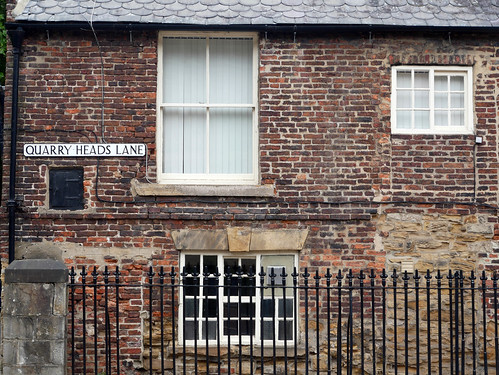
The first maps of Durham show a surprising direction for Durham City’s first Great North Road. Published in 1598 and 1610, they suggest that South Street was a major route and the strip map in ‘Britannia Depicta’ of 1720 confirms its place on the north-south link. This western route was more direct, allowing mail coaches to avoid the city’s narrow bridges and streets, and they would also pass closely by the ‘cupboard’ at the top of South Street.
Without leaving his seat, the coach guard could then deliver letters and packets through the trapdoor or receive outgoing mail. An antique print from the Postal Museum Archive portrays a similar arrangement on the early morning Bath to London run. In this case, the horses hardly break stride as mail pouches are handed over from a second-floor post house.*
*from Secret City of Durham by Derek Dodds
Tags: Cupboard Postbox, Durham, Postbox, Vacation
I don’t climb mountains. Mountains climb me. The mountain is myself. I climb on myself.
Nanao Sasaki
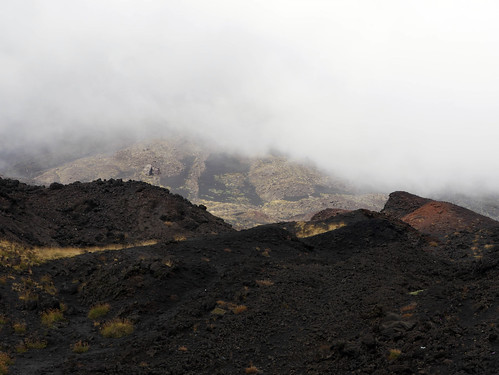
Tags: Cherie's Place Thought, Etna, Italy, Mount Etna, Taormina 2019, Vacation
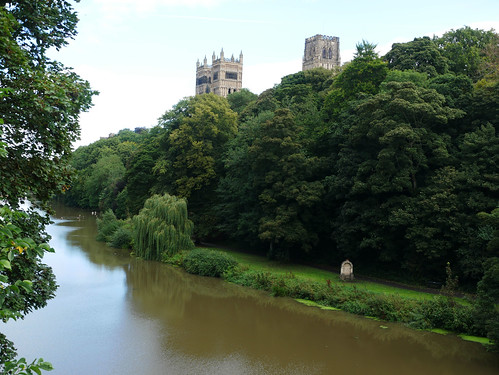
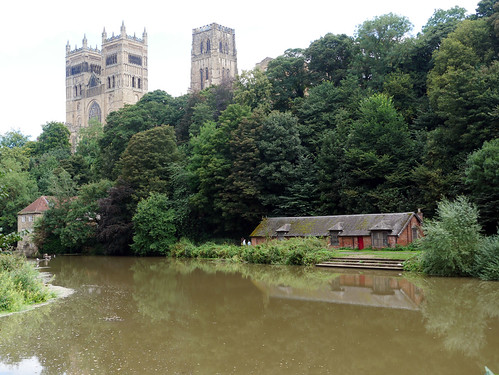
…from the Durham Marriot Hotel
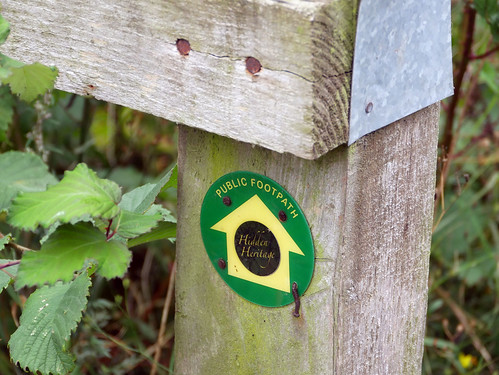


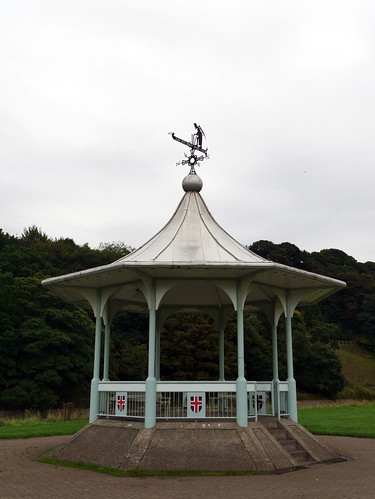

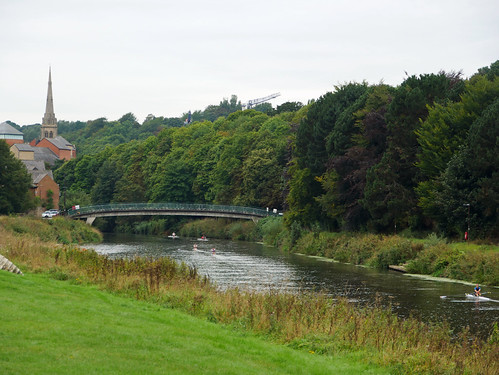
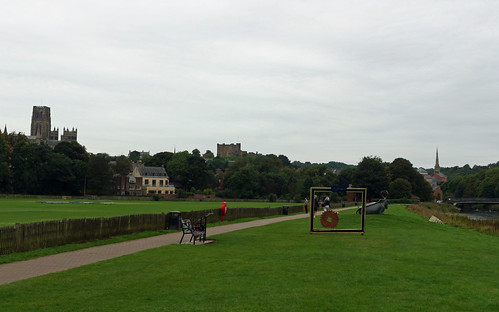
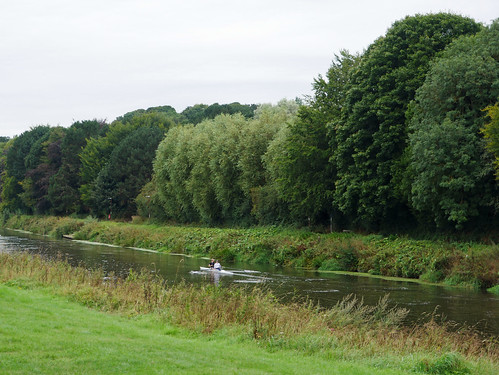
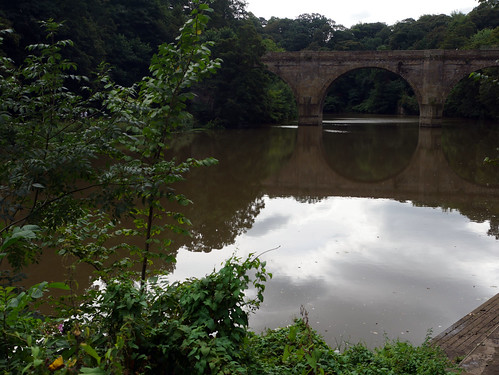
I would have loved to walk further down this side of the river with its hidden heritage. Time was not in my favour, I had to turn back when I reached the Durham bandstand with its unique weathervane.
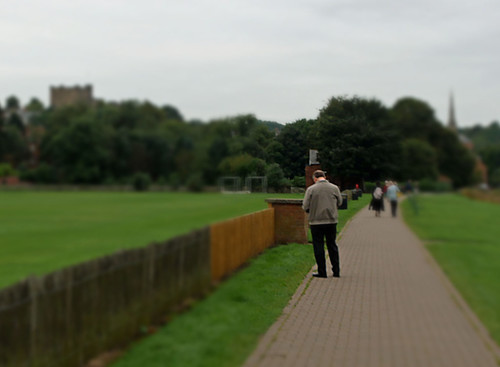
Mr C was patiently waiting for me, we had a date with Hartlepool…
Tags: #walk1000miles, #Walk1000miles2021, Durham, Durham Cow, Durham Marriott Hotel, River Wear, Vacation

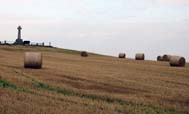
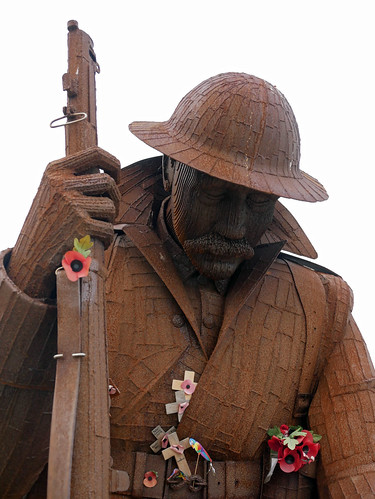
The war memorial at Seaham is located on Terrace Green, by the sea front. The memorial is a Celtic cross designed by Mr TA Lawson and unveiled 1922 in dedication to the local men who lost their lives in the First World War. It was later further dedicated to those lost in the Second World War. The monument is Grade II listed on the National Heritage List for England. Also located on Terrace Green is Tommy – a statue of a First World War soldier.

Tags: Durham, Seaham, Tommy, Vacation, War Memorial, WW1, WW2, WWI, WWII
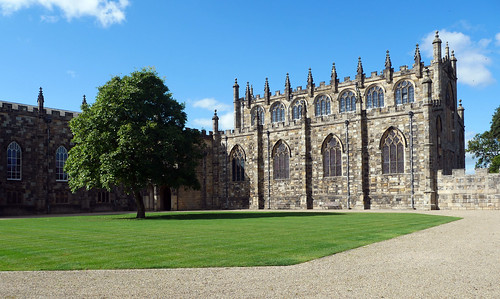
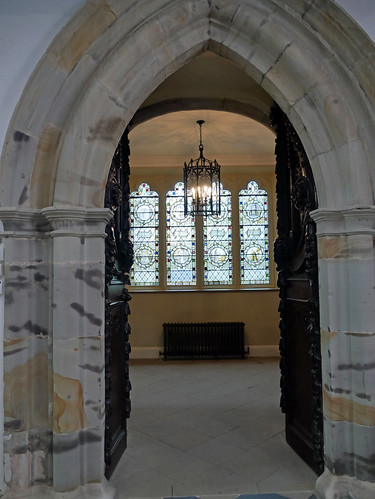
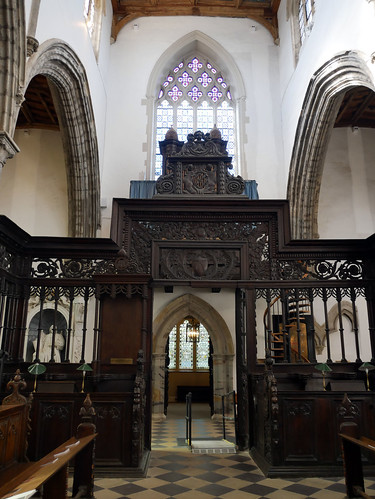
St Peter’s Chapel, attached to Auckland Castle is rich with history and well worth a visit. On my visit a guide told us about the extensive history of the chapel but sadly a guidebook was not available and searching the internet does not easily reveal its treasures.
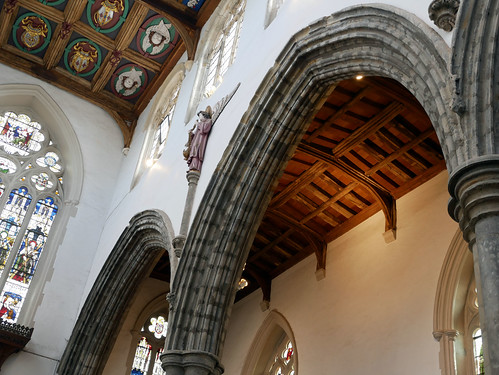
The original chapel was destroyed after the Civil War. After the Restoration of the Monarchy, Bishop Cosin rebuilt the castle and turned the banqueting hall into a chapel. It is the largest private chapel in Europe. The side aisles were added by Bishop van Mildert in 1828. In the 1880s, Bishop Lightfoot added the heraldic shields and angels on the roof as well as the tinted stained glass windows and the carved oak reredos on a Frosterley marble plinth.
It is an impressive building with battlements, crocketted pinnacles and large stained glass windows.






Tags: Auckland Castle, Bishop Auckland, Durham, St Peter's Chapel, Vacation