Lieutenant Colonel Thomas Edward Lawrence CB, DSO, known professionally as T. E. Lawrence, was a British soldier renowned especially for his liaison role during the Arab Revolt of 1916–18. The breadth of his fame is unique – archaeologist, scholar, soldier, writer. Always an independent spirit, he was a friend of many artists as well as soldiers and politicians. His vivid writings, along with the extraordinary breadth and variety of his activities and associations, have made him the object of fascination throughout the world as “Lawrence of Arabia”.
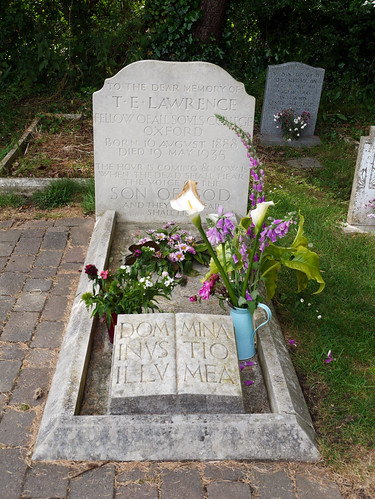
T.E. Lawrence died in a motorcycle accident and was buried on May 21st 1935 in the cemetery annexe of St Nicholas Church, Moreton, just a few miles from his home at Clouds Hill in Dorset.
Although it might be expected that Lawrence should have beeen buried in Westminster Abbey, this quiet place in Dorset is not inappropiate given that Lawrence spent his last years hiding from the unwelcome fame of his wartime exploits. His funeral was attended by a multitude of soldiers, statesmen, writers and artists.
Tags: Grave, Moreton, Resting Place, T E Lawrence, Vacation
First thing this morning I went in to the upstairs room where my computer is situated. I needed to charge my mobile phone.
Movement in the garden distracted me. The light rain had enticed my garden birds out of their perching places. My upstairs retreat is the perfect place to watch and enjoy my garden birds. I got distracted from anything else I should have or thought I should have been doing…
Initially a blue tit family and a couple of great tits were flitting around nearby trees and branches, occasionally flying towards my window and roof above and below (the attraction was water in the gutters). They were joined by three blackbirds on my lawn and a squirrel on the fence near to my house.
The squirrel kept bobbing into next doors garden and returning to the fence with a nut which he proceeded to nibble. At one point as he was running backwards and forwards on the fence. His chaotic run coincided with a blackbird that was about to land on the fence. The blackbird had quick reactions and flew on by. The squirrel was quite unnerved and started flicked its tail around in an alarmed way.
A robin briefly visited followed by a flock of around 12 sparrows that were devouring some tasty feast from my lawn and the edge of my path. The three blackbirds came back to enjoy the tasty feast!
Some time later after a few household jobs I set off for a walk around my local pathways.
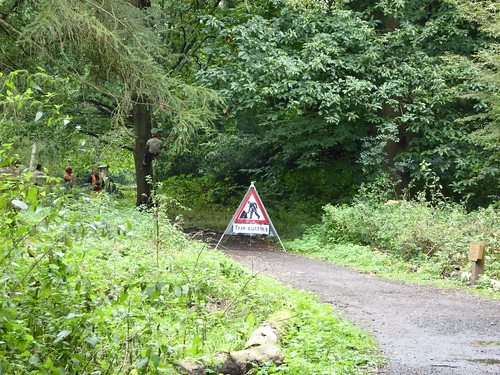
In the woods I encountered an unexpected ‘no go’ area. A tree was being felled.


By the pools I was wondering if I would see the cormorant which I had seen in profile flying overhead on my last visit.


The cormorant was absent, instead I saw a heron, firstly flying off. A wonderful sight although I was regretting that I had disturbed him before I even saw him. I was able to follow his journey around the pools until someone got in his comfort zone and he flew off beyond the trees.

Tags: #walk1000miles, Apley Woods, Leegomery Pools, Local Walk, Shropshire
Love the trees until their leaves fall off, then encourage them to try again next year.
Chad Sugg
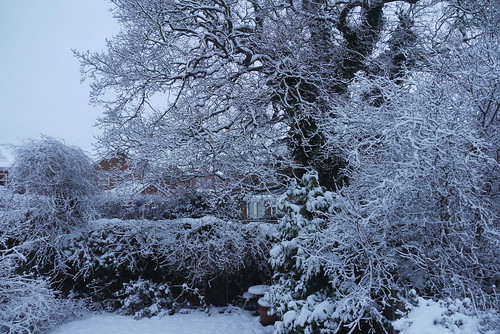
Tags: Cherie's Place, Cherie's Place Thought, My Oak Tree, Oak Tree, Winter
What the caterpillar calls the end of the world, the master calls a butterfly.
Richard Bach

Tags: Attingham Park, Butterfly, Cherie's Place Thought, National Trust
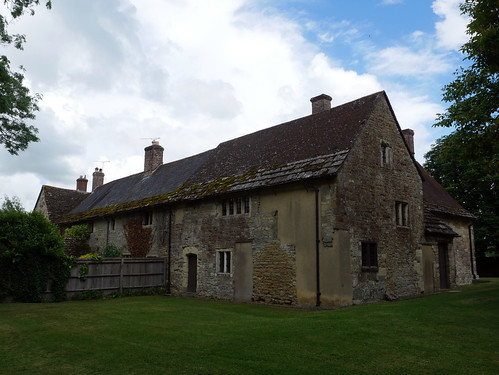
This fine 14th-century manor house on the banks of the river Stour has changed much over the centuries, but may of its medieval features survive.
Believed to be the site of a mill in the Domesday Book (1086), the land at Fiddleford was owned by the abbots of Glastonbury during the Middle Ages. In the 14th century a manor house was built her, most likelyby William Latimer, sheriff of Somerset and Dorset. In the 16th century Fiddleford manor passed to a Catholic merchant from Poole, Thomas White. Around the end of the 17th century it belonged to the Freke family, whose descendant, the Pitt-Rivers family, own it today.
The medieval manor included gardens, orchards, a dovecote and a watermill, as well as over a hundred acres of meadow and pasture. *

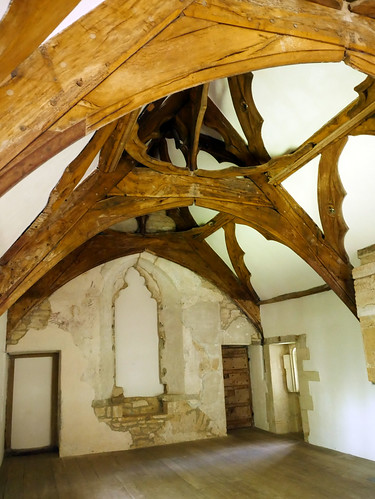


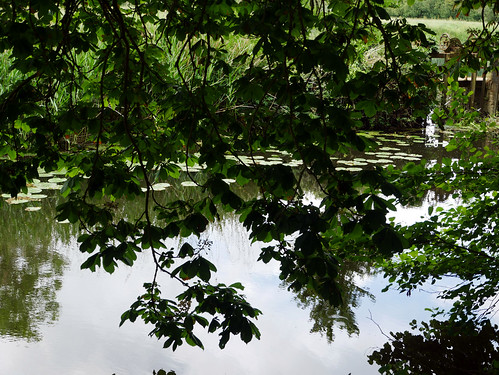
*From an information board next to the manor
Tags: Dorset, English Heritage, Fiddleford Manor, Weekend away
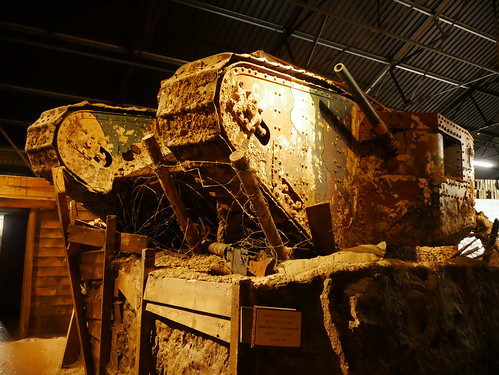
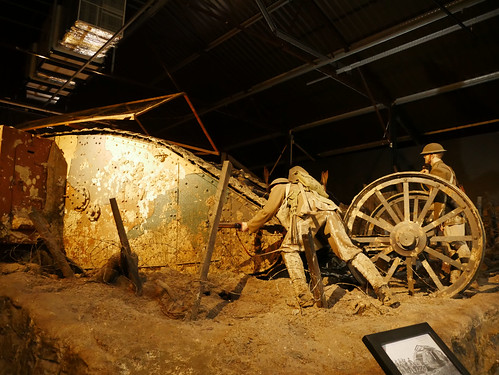
Warhorse to Horsepower examines how the British Army became increasingly mechanical during the First World War and how cavalry units eventually gave up their horses for tanks during the 1920s and 30s.
In pre-1914 Britain, society was already replacing horse with petrol driven vehicles and some life-size talking horses in the exhibition tell you their stories of this time and their later experiences in the war. Text panels and set-piece scenes provide information on how horses were fed and cared for and the close relationships that developed between soldiers and their horses.
It is often said that tanks replaced horses in the First World War, but they both had important roles and were on the same team. On the Western Front the horse may have struggled in its traditional role as fighting cavalry but the horse in general excelled as a beast of burden – keeping the modern army supplied with food and weapons in the front line.*


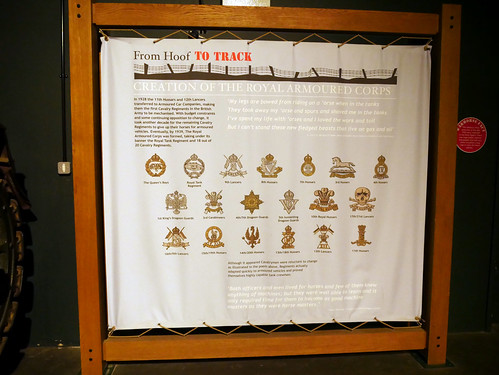
In 1928 the 11th Hussars and the 12th Lancers transferred to Armoured Car Companies, making them the first Cavalry Regiments in the British Army to be mechanised. With budget constraints and some continuing opposition to change, it took another decade for the remaining Cavalry Regiments to give up their horses for armoured vehicles. Eventually, by 1939, The Royal Armoured Corps was formed, taking under its banner the Royal Tank Regiment and 18 out of 20 Cavalry Regiments.

*From The Tank Story – guidebook of The Tank Museum
Tags: Bovington Tank Museum, Defence Matters, Dorset, Hussars, Royal Armoured Corps, Royal Tank Regiment, Vacation, WW1, WWI
Life starts all over again when it gets crisp in the fall.
F. Scott Fitzgerald, The Great Gatsby

Tags: #walk1000miles, Apley, Autmn, Cherie's Place Thought, Shropshire, Summer