

Random thoughts and photos of my journey through life…
12 Comments CherryPie on Feb 1st 2019
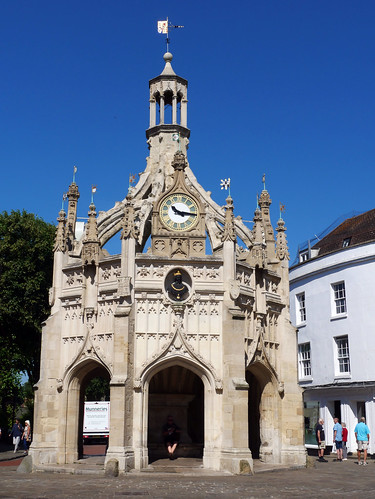
Over the years, Chichester’s Market Cross has become a well recognised feature of the city. It is believed to have been built in 1501 by Bishop Edward Story, who paid ten pounds to the Mayor of Chichester for the ground on which it is built. The Bishop allowed poor peasants, who only had a few eggs or vegetables to sell, to trade without paying a toll provided they could stand under the cross. Bishop Story died in 1503 and left £25 a year in his will for the upkeep of the structure.
The Cross was built on the site of an earlier wooden construction which had been erected by Bishop Rede (1369-1385) close to the original Roman roads. The current Cross is an eight-sided structure made of Caen stone, a popular building material of the time, and has a central column which is supported by eight flying buttresses. Around the base of the column is a low stone seating area with a stone-paved floor. Each side has an arch carved with the Bishop’s mitre, or headdress, and bosses of demi-angels.
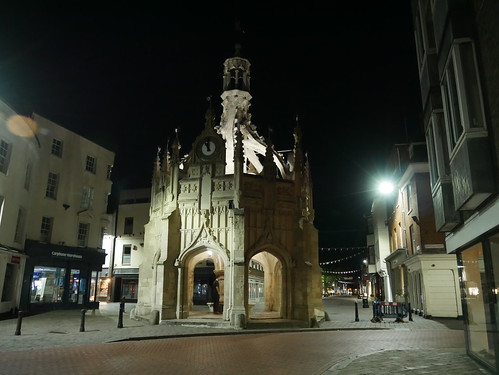
The Cross ceased to serve its original purpose in 1808, when the increased population of the city meant a more extensive market area was required and a large market house was built in North Street. At this time it was proposed to demolish the Cross as it was considered a nuisance. This was prevented when several local people purchased houses on the north side of the Cross, allowing the widening of the street after their demolition.
8 Comments CherryPie on Jan 30th 2019
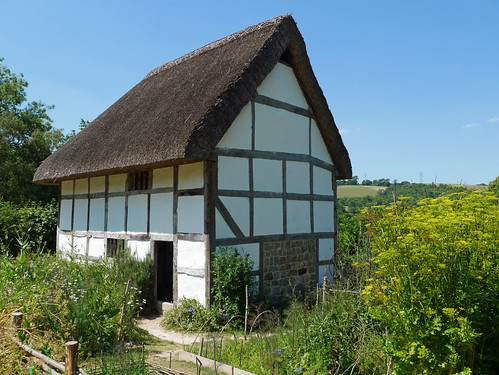
Poplar Cottage was the home of a landless peasant and his family in the early-mid 17th century. The garden of such a low-status dwelling would have been used almost exclusively to produce food and grow herbs for strewing and medicinal purposes. Few if any of the plans would have been grown for their aesthetic value.*
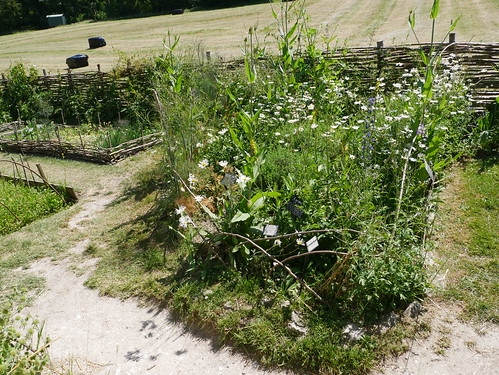
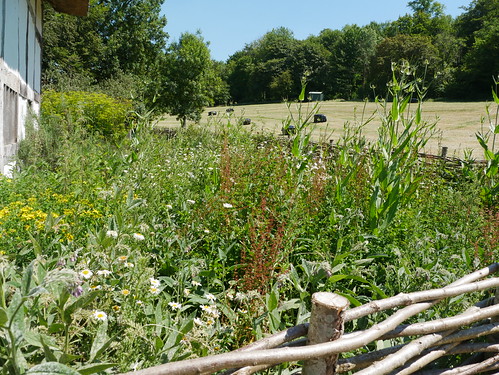
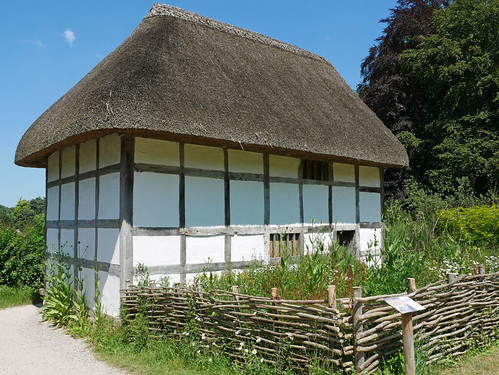
*From a sign next to the garden
16 Comments CherryPie on Jan 29th 2019
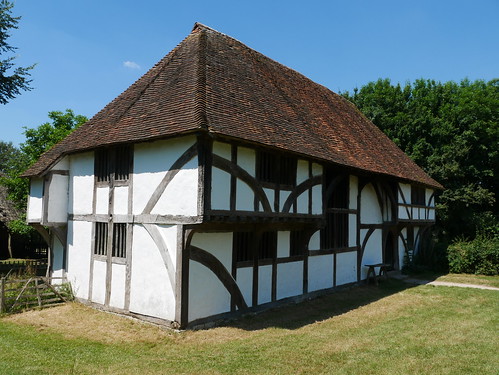
Bayleaf is a timber-framed hall house dating mainly from the early fifteenth century. The garden is a re-creation of a late-medieval garden, laid out in blocks of beds.
Each plot, together with the access path, measures 2 x 1 perches (16.5 x 33ft); 16.5ft is the statutory rod, pole or perch. This is the measurement a yeoman farmer would have been accustomed to.
The vegetables and herbs have been selected mainly from two medieval lists: a poem The Feate of Gardening, by Master Jon Gardener, written before 1400; and a list found in a cookery book, the Fromond List, of about 1525-30. *
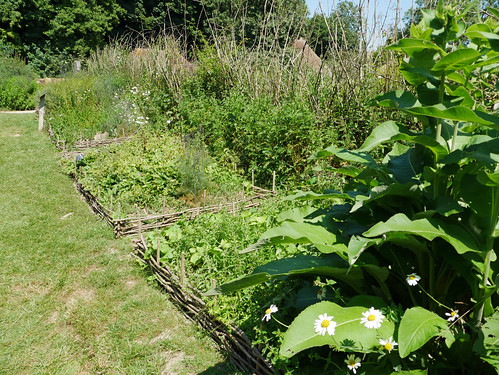
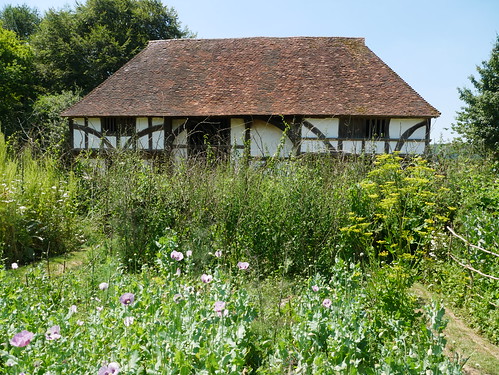
*From a sign next to the garden
12 Comments CherryPie on Jan 28th 2019
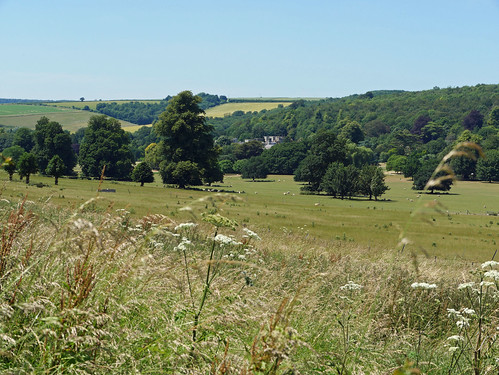
In a forest of a hundred thousand trees, no two leaves are alike. And no two journeys along the same path are alike.
Paulo Coelho
12 Comments CherryPie on Jan 27th 2019
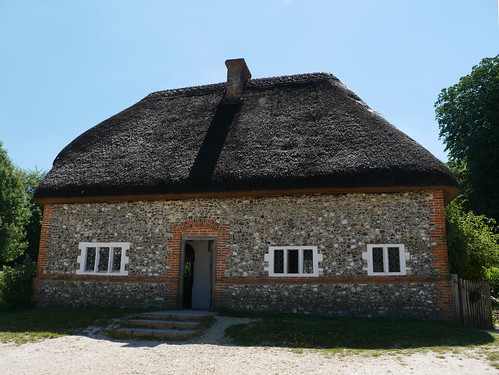
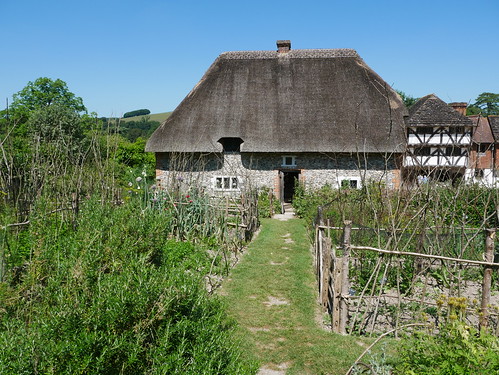
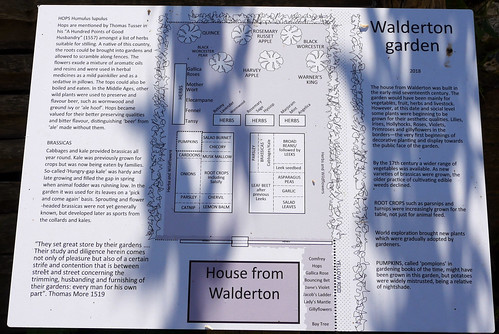
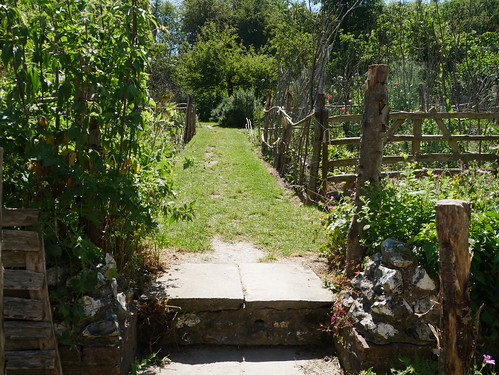
The house from Walderton was built in the early-mid seventeenth century. The garden would have been mainly for vegetables, fruit, herbs and livestock. However, at this date and social level some plants were beginning to be grown for their aesthetic qualities. Lilies, Primroses and gillyflowers in the borders – the very first beginnings of decorative planting and display towards the public face of the garden.
By the 17th century a wider range of vegetables was available. As new varieties of brassicas were grown, the older practice of cultivating edible weeds declined.
8 Comments CherryPie on Jan 26th 2019
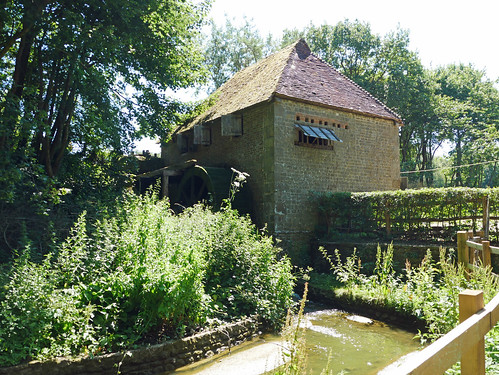
This mill is for grinding corn, for flour and animal feed. The overshot waterwheel provides power for two pairs of millstones, a grain cleaner and a sack holst. *
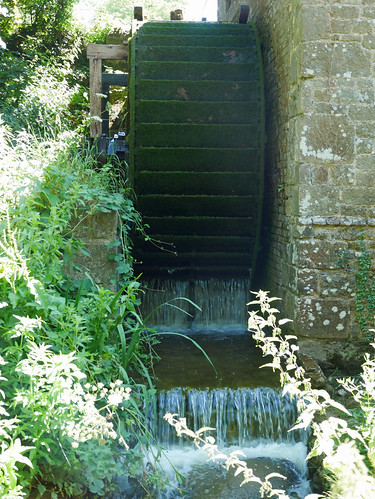
*from the Weald & Downland Living Museum souvenir guide
18 Comments CherryPie on Jan 23rd 2019