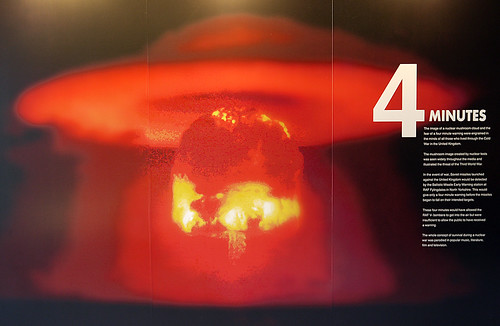
The image of a mushroom cloud and the fear of a four minute warning were ingrained in the minds of all those who lived through the Cold War in the United Kingdom.
The mushroom image created by nuclear tests was seen widely throughout the media and illustrated the threat of the Third World War.
In the event of war, Soviet missiles launched against the United Kingdom would be detected by the Ballistic Early Warning station at RAF Fylingdales in North Yorkshire. This would give only a four minute warning before the missiles began to fall on their intended targets.
These four minutes would have allowed the RAF V-bombers to get into the air but were insufficient to allow the public to have received a warning.
The whole concept of survival during a nuclear war was parodied in popular, music, literature, film and television.
For more of this weeks PhotoHunt pictures check out Whistlestop PhotoHunt.
Tags: Cold war museum, Cosford, Four minute warning, History, Mushroom Cloud, PhotoHunt
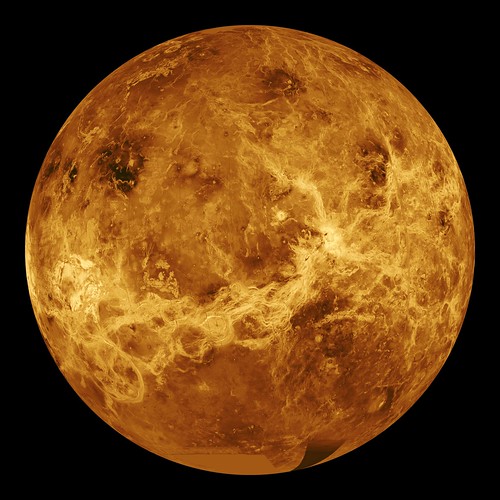
NASA photo from Wiki.
The latest edition of National Geographic Magazine has brought to my attention that on the 5th and 6th June Venus will align with the Earth and sun for the last time until 2117. The transit will be visible over North America, Asia, Oceania and most of Europe.
Tags: Earth, Sun, Transit, Venus
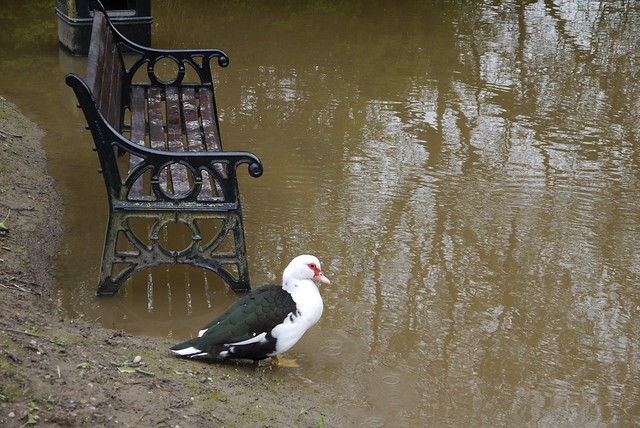
This is normally one of my favourite places to sit and watch the world go by when I visit Ironbridge. After all the rain it has a new resident!
Tags: Bench, Duck, Ironbridge, Shropshire, Water

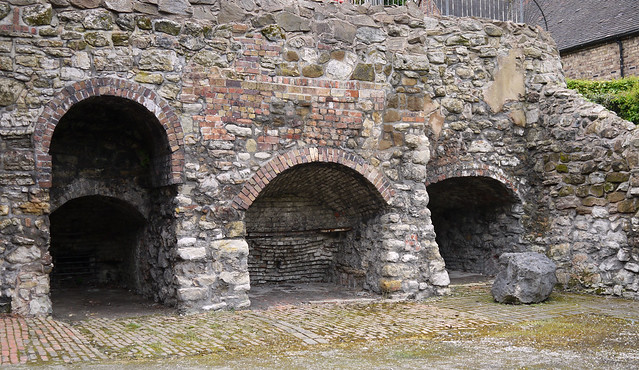
From a plaque next to the kilns:
Under tremendous heat, rock-hard limestone was transformed into powdery-fine lime in the lime kilns that you see. Limestone, first quarried and later mixed, was brought from vast deposits on Lincoln Hill, which rises behind the kilns. Though lime kilns have been found in the Gorge since medieval times, these kilns operated from about 1760 to 1870 when Lincoln Hill supplied huge quantities of limestone to surrounding iron furnaces. The best stone no, doubt, was sent to the furnaces and the lower grade stone was used to make lime.
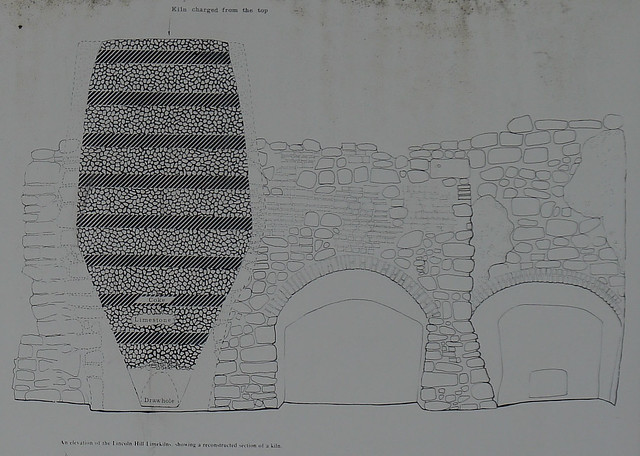
The continually burning kiln was charged from the top with alternating layers of limestone and fuel, usually coke. The kiln often burned for a week or more to convert the limestone into lime. Under the intense heat of the kiln, carbon dioxide was driven off from the limestone to produce lime.
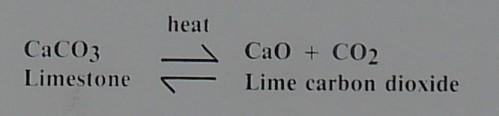
As the Kiln burned, lime clinker fell through the draw hole at the bottom of the kiln and more fuel and limestone were added at the top. The clinker, large lumps of lime, was then slaked with water. The lumps of lime absorbed the water, expanded, and crumbled into a fine powder. The lime was then ready to be used by builders for mortar, and farmers as fertiliser.
Tags: Architecture, Architecture 100, History, Ironbridge, Lime Kilns, Lincoln Hill, Shropshire
The 21 ladies (from around the globe) that collectively share their thoughts and ideas through Vision & Verb wanted to give something to the wider world in which they live.
An idea was born and embraced (by the 21 ladies) to use their artwork to create gift cards which would enable disadvantaged people around the world to help themselves:
The profit from every card sold (approximately 50%) will be given back to the larger world in allotments of 50$ loans to men and women seeking to start their own businesses. The conduit for these loans is Kiva, a non-profit organisation that enables us to lend to the “working poor” around the world.
The shop is now open for viewing 
Tags: Empowering People, Making a difference, Shop, Shoppe, Vision & Verb
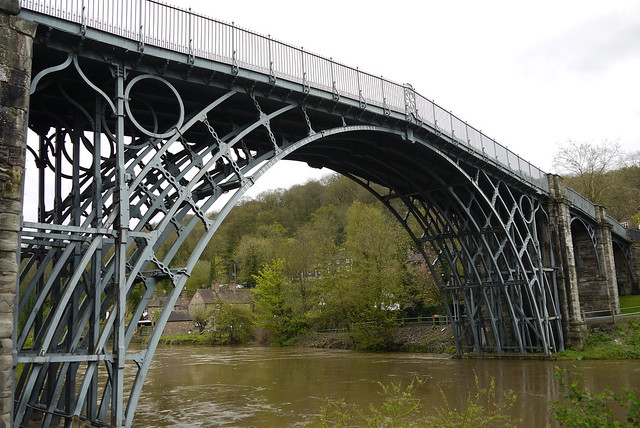
The world’s first cast iron bridge was built over the River Severn at Coalbrookdale in 1779.
From Wiki:
In the early eighteenth century, the only way to cross the Severn Gorge was by ferry. However, the industries that were growing in the area of Coalbrookdale and Broseley needed a more reliable crossing.
In 1773, Thomas Farnolls Pritchard[1] wrote to a local ironmaster, John Wilkinson of Broseley, to suggest building a bridge out of cast iron. By 1775, Pritchard had finalised the plans, but he died in December 1777, only a month after work had begun.[2]
Abraham Darby III, who was the grandson of the first foundry owner and an ironmaster working at Coalbrookdale in the gorge, was commissioned to cast and build the bridge. The iron for the new bridge was cast at his foundry.
The worlds first cast iron bridge was built over the river Severn at Coalbrookdale in 1779.
Tags: Architecture, Architecture 100, Coalbrookdale, History, Ironbridge, Shropshire, The Iron Bridge
Logic will get you from A-B. Imagination will take you everywhere.
Albert Einstein (1879-1955)
Tags: Cherie's Place Thought, Powis, Powis Castle