Random thoughts and photos of my journey through life…

Filed under Faith Foundations, Science & Nature, Taormina 2019
If you imagine yourself as separate from the world, the world will appear as separate from you and you will experience desire and fear. I do not see the world as separate from me and so there is nothing for me to desire, or fear.
Nisargadatta Maharaj

6 Comments CherryPie on Mar 7th 2021
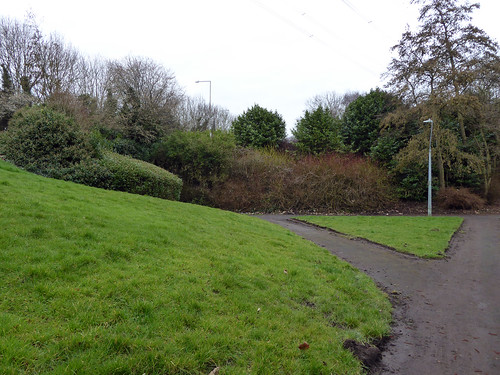
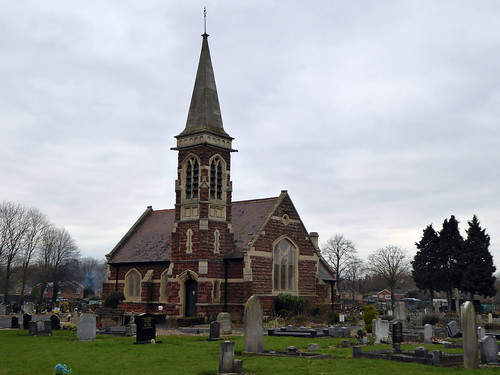
On my recent walk that took me past Hadley Cemetery I noticed a sign on the gates that said it was a site that contained Commonwealth War Graves. On that occasion I didn’t have enough time to investigate so I planned to return in the next few days.
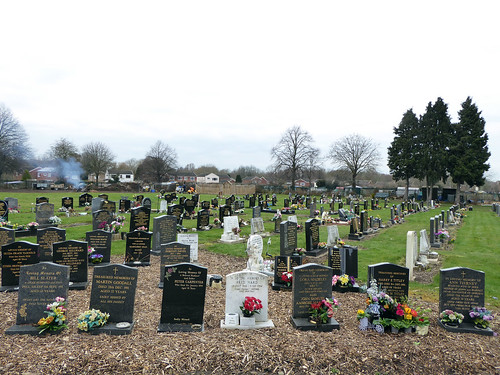
When I posted about my walk I learned that the grandparents of a local fellow #walk1000miles participant were buried there. Lockdown restrictions have meant that he has not been able to visit their memorial site so I offered to take a photo of the memorial stone when I returned.
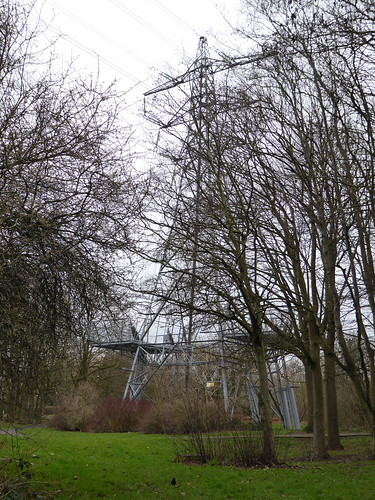
Today, when I retraced my steps I was hoping for sunshine. The sun had other ideas and left its hat off until I got home after my enjoyable local walk.




3 Comments CherryPie on Mar 4th 2021
…the birthplace of vaccination
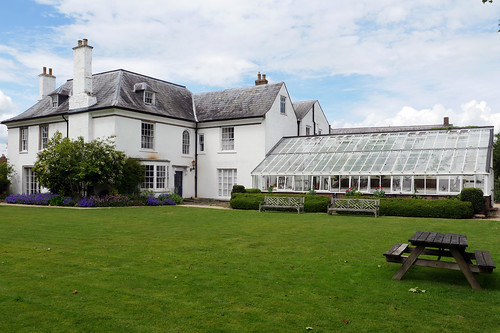
On my first visit to Berkeley Castle in 2019 I visited the adjacent museum that was formerly Dr Jenner’s house. The museum displays explain how he became the pioneer of vaccinations. He experimented with the mild disease of cowpox leading him to find way to counteract the devastating disease of Smallpox.
The smallpox vaccine, created by Edward Jenner in 1796, was the first successful vaccine to be developed. He observed that milkmaids who previously had caught cowpox did not catch smallpox and showed that a similar inoculation could be used to prevent smallpox in other people.
In 1798, Edward Jenner published one of the most important documents in the history of medicine. It would save countless lives and change the way we respond to some of our most feared diseases.
Born in Berkeley in 1749, Edward Jenner spent his life making remarkable discoveries, driven by an intense curiosity about how everything worked and a desire to make the world a better place.In 1798 he published An Inquiry into the Causes and Effects of the Variolae Vaccinae, a Disease discovered in some of the Western Counties of England, particularly Gloucestershire, and known by the name of the Cow Pox, making known his investigations into how a mild disease, cowpox, could protect against the horrific smallpox virus. From the Latin word vacca, meaning “cow”, he called this new practice vaccination.


Jenner devoted the rest of his life to helping others to carry out the practice and ensured that it was available free of charge to those who needed it most, converting a garden summerhouse into the world’s first vaccination clinic. Jenner called it the Temple of Vaccinia.
Vaccination was soon being practised around the world and lives were saved. In 1966 the World Health Organisation decided to try to eradicate smallpox worldwide. Medics and scientists from all nations worked together to identify and trace cases of smallpox before vaccinating those who were at risk. By 1979 there were no new cases: a huge international effort had brought about the culmination of Jenner’s work.
But the story doesn’t end there. Inspired by Jenner, researchers continue to find vaccines to protect against other diseases and vaccination now saves between two and three million lives each and every year. It’s one of the greatest discoveries of all, brought about by one man’s curiosity and thirst for knowledge.

2 Comments CherryPie on Mar 3rd 2021

The Church of St Mary is a Church of England parish church in Berkley, Somerset. It is a Grade II* listed building built in 1751.[1]
The church, dedicated to St Mary, was built in 1751 by Squire Thomas Prowse of the adjacent Berkley House.[1]
The whitewashed stone church has a west tower and a hip roof with stone slates, while the nave has a central glazed cupola. Both this cupola and the organ have been recently[when?] restored.[2][failed verification] There are a pair of 17th century panel backed chairs. The font, pulpit and pews date from the mid 19th century.[1]
Grounds
The walls and gate piers around the church date from the mid 18th century.[3]
The graveyard contains the graves of the local population including some notable tombs. The tomb of William Hall is made of Doulting Stone and dates from 1670.[4] The Bath stone tomb of Joseph Singer is inscribed for several members of the Singer family from the 18th and early 19th centuries.[5] There are also several unidentified tombs.[6][7][8]


4 Comments CherryPie on Mar 2nd 2021
It is not the strongest of the species that survive, nor the most intelligent, but the one most responsive to change.
Charles Darwin

6 Comments CherryPie on Mar 1st 2021