Random thoughts and photos of my journey through life…
18 Comments CherryPie on Jan 30th 2018
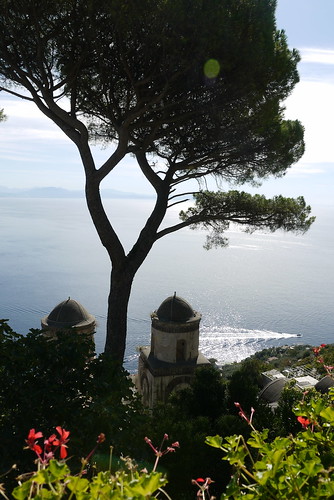
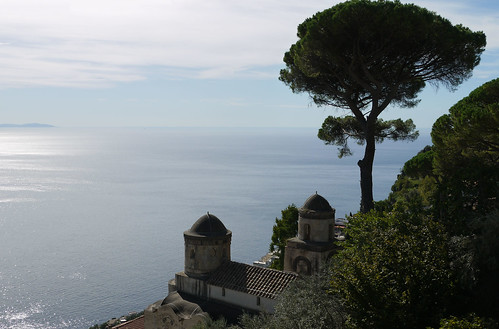
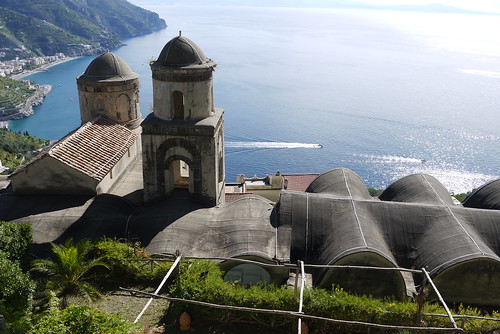
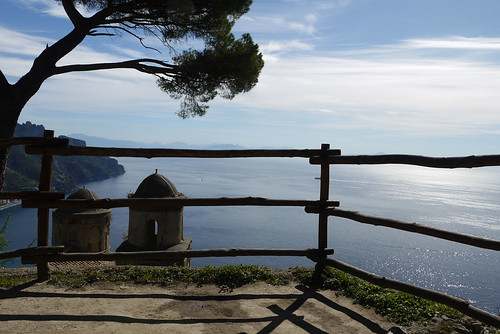
[The Church] was built in 1163 and dedicated to S. Matteo del Pendolo until 1727, but already in 1733 it is called S. Maria delle Grazie; the structure has three naves, divided by two round arches on each side, supported by columns with bare, triaxed capitals (on the outside the apses are isolated by two deep niches), with a transept underlined by a step.
The aisles are covered by vaults with pointed vaults, extrados and illuminated by single-light windows.
The central apse is framed by two columns (a motif common to other churches of Ravello).
Next to the entrance a very small room contains traces of a fresco depicting an Agnus Dei, a nursing Madonna and a saint.
The sacristy is an environment parallel to the right aisle, slightly apsed, with a barrel roof.
The bell tower has two registers with a vault extradosata in the bell cell. A cross-vaulted portico precedes the church.
The apse of the right aisle contains the wooden cabinet with the nineteenth-century statue of the Madonna and Child.
10 Comments CherryPie on Jan 29th 2018
He who smiles rather than rages is always the stronger.
Japanese Wisdom
12 Comments CherryPie on Jan 28th 2018
8 Comments CherryPie on Jan 27th 2018
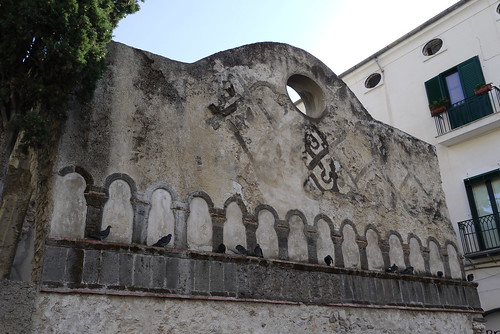
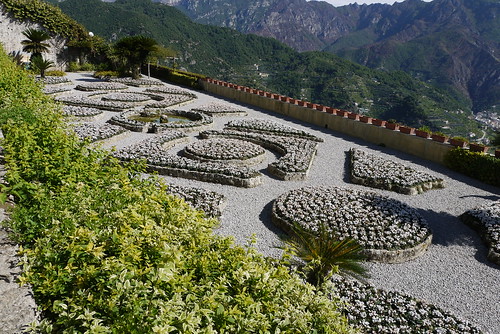
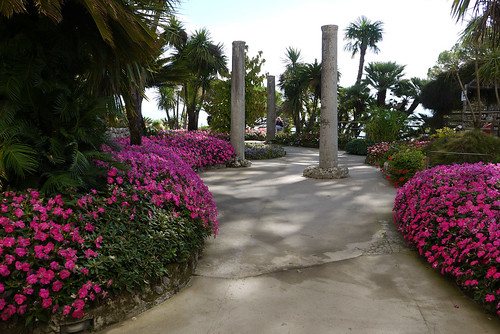
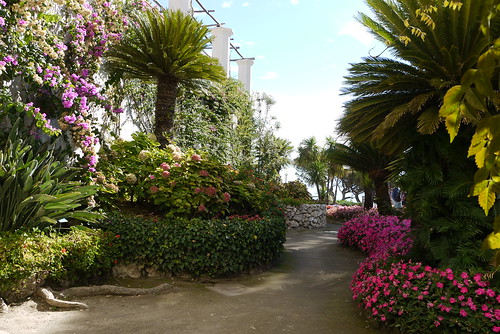
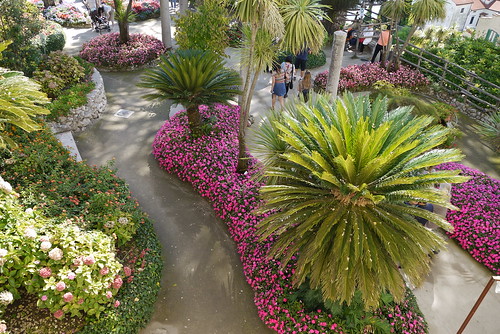
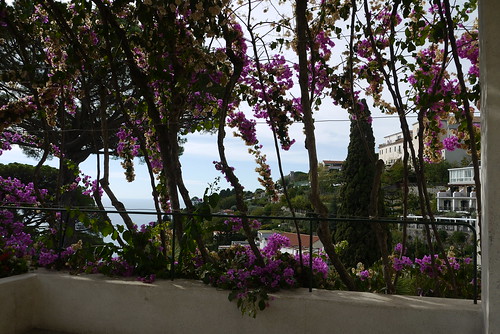
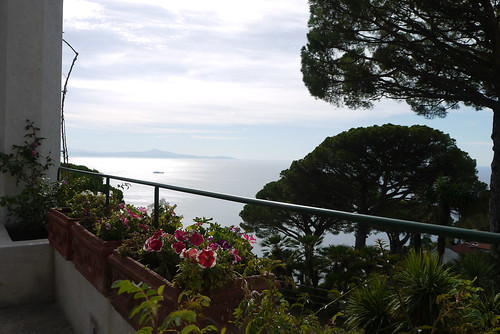
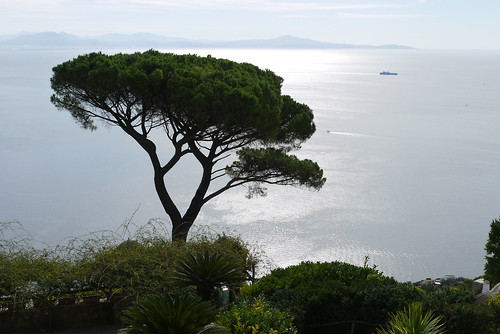
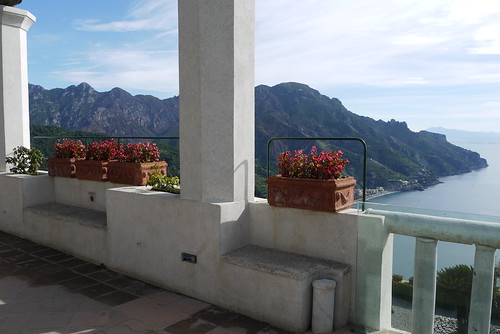
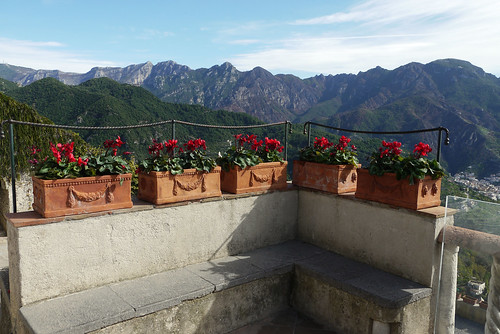
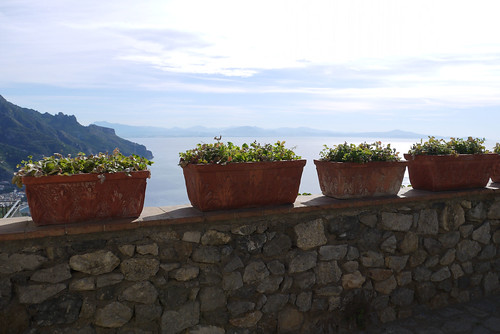
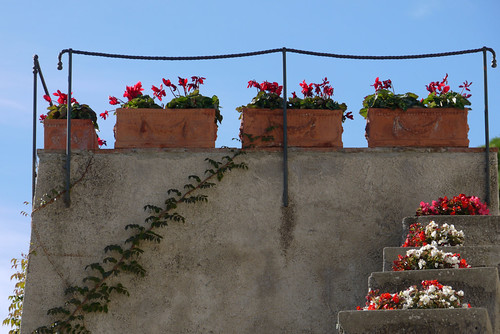
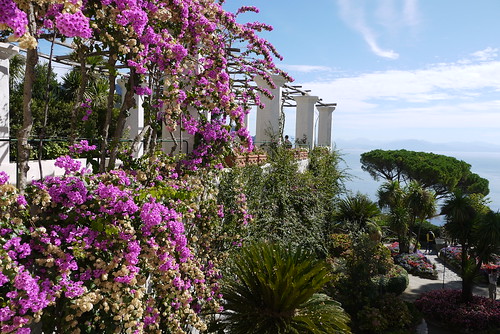
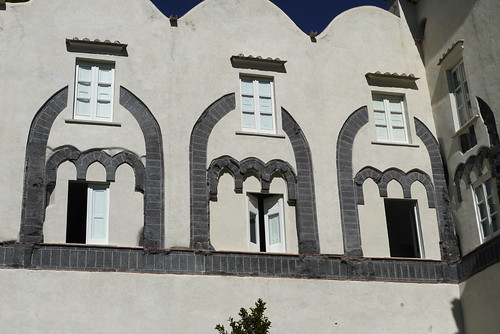
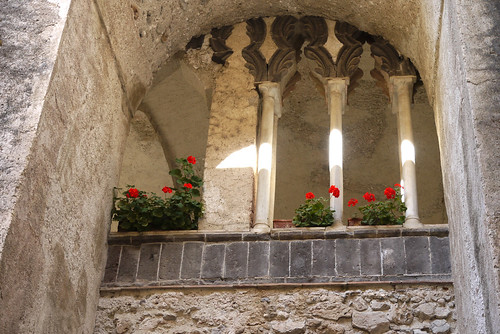
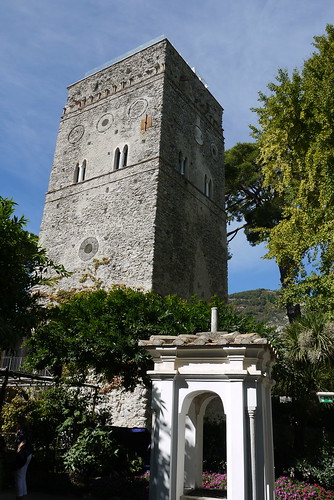
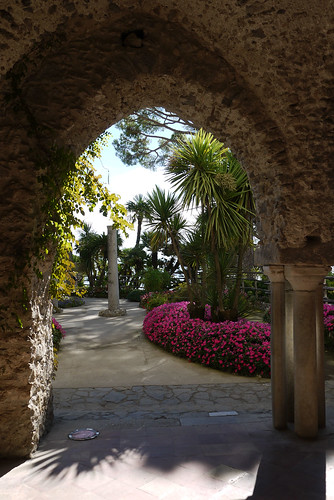
Villa Rufolo is the jewel in the crown of the immense historical and architectonic heritage of Ravello. This monumental complex bears the name of the family which built it. In its heyday, in the 13th century, it numbered “more rooms than there are days in the year”.
This extraordinary heritage has been partially eroded by the effects of time and negligence, but much has been retrieved, with new features being added in more recent times, starting from the invaluable efforts of the Scottish entrepreneur Francis Nevile Reid, owner of the Villa at the turn of the twentieth century.
Over ten centuries the original core, a perfect synthesis of Arabic, Sicilian and Norman architecture, has accumulated new features, from the rather cumbersome 18th century cloister to the Romantic nineteenth century gardens, up until our own times, being currently used by the Fondazione Ravello, the Ravello Festival and the Centro Universitario Europeo per i Beni Culturali.
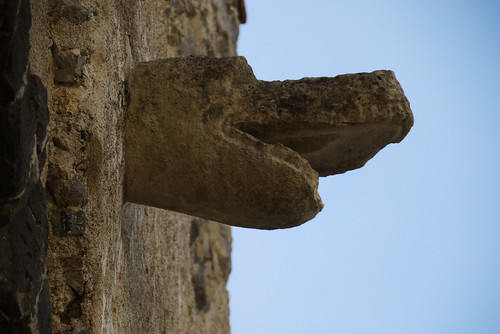
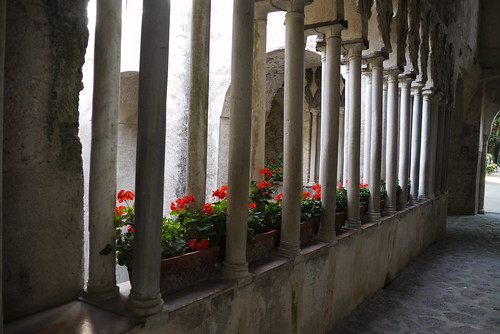
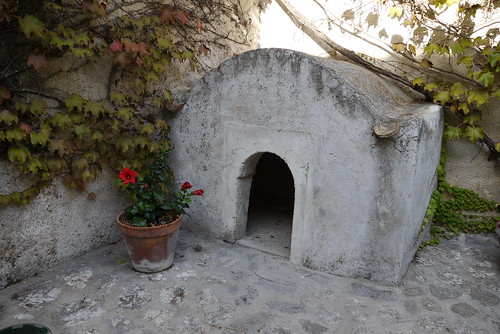
PS: Garden views coming soon 
6 Comments CherryPie on Jan 26th 2018
…Reconstructing the Final Days of Jesus
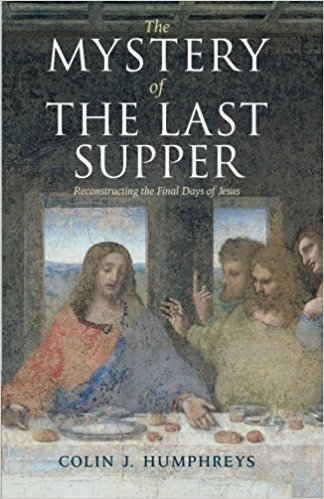 Synopsis (from the book cover):
Apparent inconsistencies in the gospel accounts of Jesus’ final week have puzzled Bible scholars for centuries. Matthew, Mark and Luke clearly state that the last supper was a Passover meal, whereas John asserts that it occured before the festival. The gospel narratives also do not seem to allow enough time for all the events recorded between the last supper and the crucifixion, whilst indicating that Wednesday was a ‘missing day’ on which Jesus did nothing. Colin Humphreys presents a compelling, fresh account of how these inconsistencies can be explained, drawing on the evidence from the Dead Sea Scrolls and Egyption texts and using astronomy to reconstruct ancient calendars. In doing so, Humphreys proposes a new theory – that the last supper took place on a Wednesday, rather than a Thursday as traditionally believed – and successfully unifies the supposedly contradictory gospel stories.
Review:
Colin’s writing style is easy and compelling and his book is fascinating, providing credible evidence to pinpoint an exact dating of Christ’s Crucifixion. He presents astronomical information and different calendars that were in use at that time, proposing that the discrepancies in the gospel accounts and timings were due to the writers using different calendars in their accounts of the event. The evidence he provides reconciles the differences.
I recommend this book to anyone who is interested in the subject.
6 Comments CherryPie on Jan 25th 2018
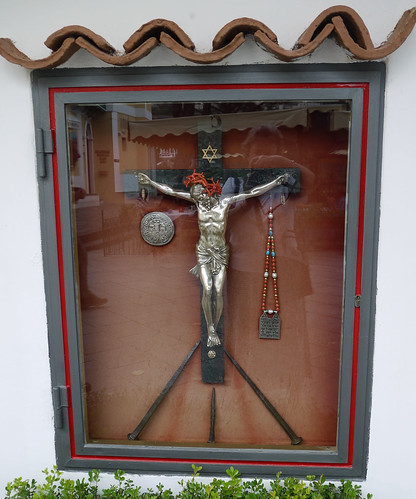
On that day you will realize that I am in my Father, and you are in me, and I am in you.
John 14:20 (NIV)
The long tradition of coral carving on the Amalfi Coast is put in the spotlight at the Coral Museum in Ravello. Tucked away in an unassuming shop fronted by flower pots, the museum is housed in the Camo workshop, one of the area’s most prestigious names for coral and cameo jewelry. The Ravello area has been a center of marine jewelry craftsmen for centuries, where coral has been plucked from the waters of the Gulf of Salerno and Napoli and carefully carved into jewelry and fashioned into figurines. The museum documents the various manufacturing techniques, showing the ancient tools used in turning the raw materials into pieces of art. Hundreds of pieces are on display, including a stunning coral crucifix and a magnificent Madonna, along with beads, cameos and jewelry, a section of Ebraica, and even a nativity scene – everything handmade from coral, pearls or shells, ranging from Roman times to the 20th century.
Unfortunately we ran out of time and didn’t get the opportunity to see the museum. Maybe next time 
2 Comments CherryPie on Jan 24th 2018