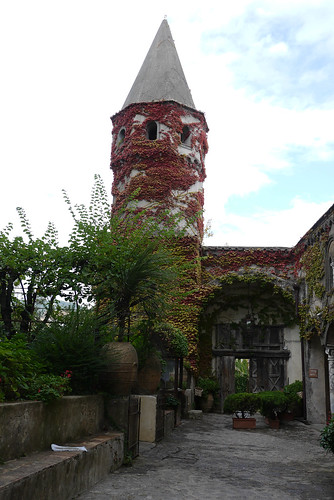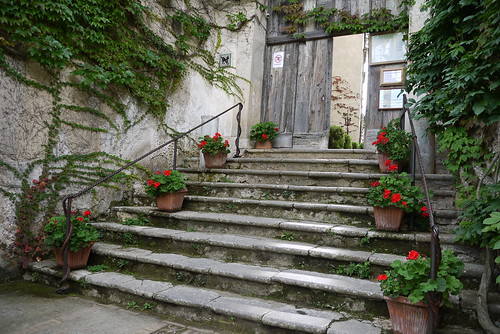
The first reliable mentions of Villa Cimbrone can be found around the 11th century, intermingling with those of Ravello’s golden era. The origins of its name come from the rocky outcrop on which it stands: this was part of a large estate with lush vegetation covering over eight hectares that was known as “Cimbronium”.
It initially belonged to the aristocratic Acconciajoco family. In the mid 1300s it passed into the hands of the powerful and wealthy Fuscos, a noble family from Ravello who were related to the Pitti family in Florence and the D’Angiò family from Naples.
Thanks to the enthusiasm and dedication of the Vuilleumier family, for a few decades now Villa Cimbrone has been restored to its former standing as a prestigious historical site and botanical garden, after a period of relative decline around the time of the Second World War.
This successful commitment to recovering, conserving and protecting one of the most important cultural heritage sites in Campania springs from an idea by Marco Vuilleumier at the end of the 1960s, which has been pursued with great determination.
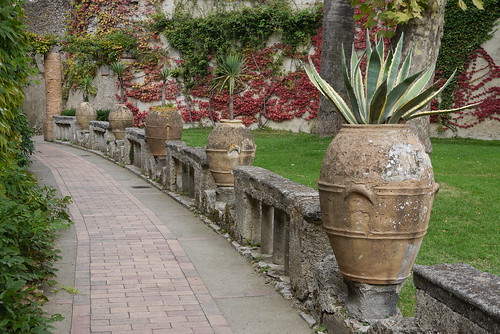
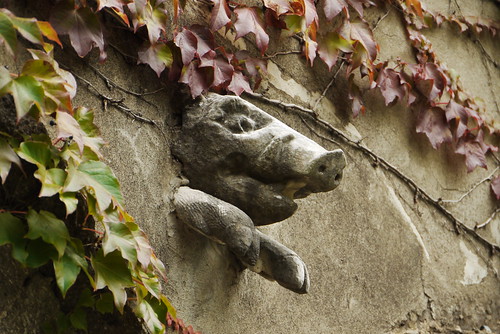
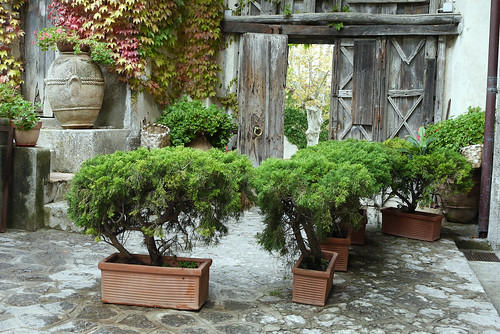
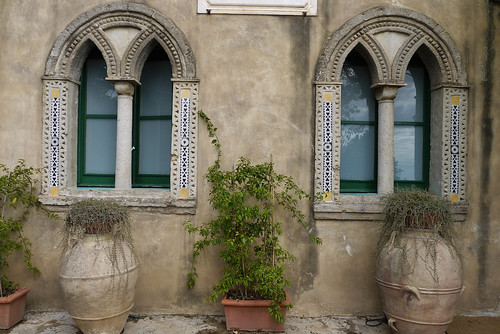
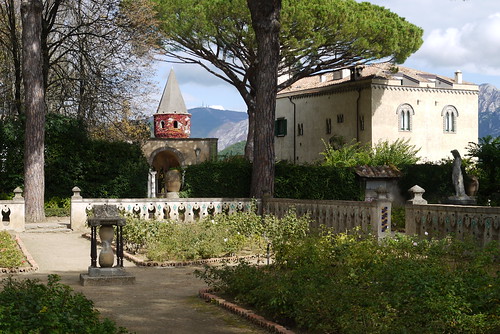
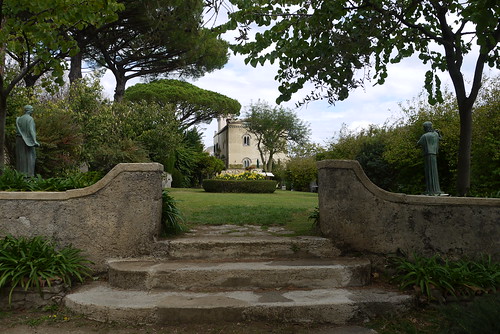

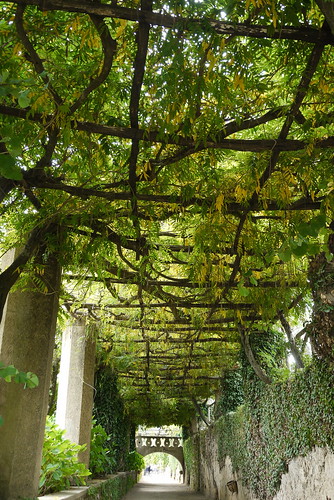
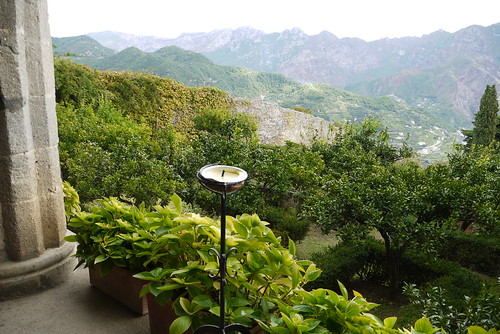
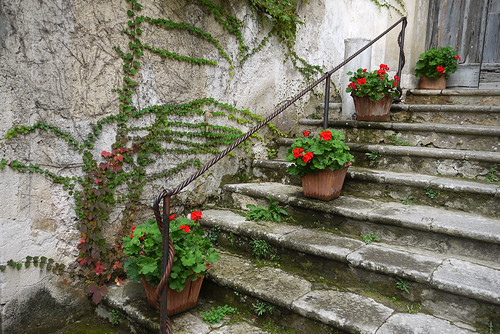
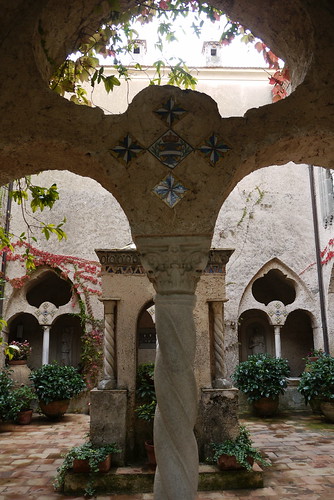
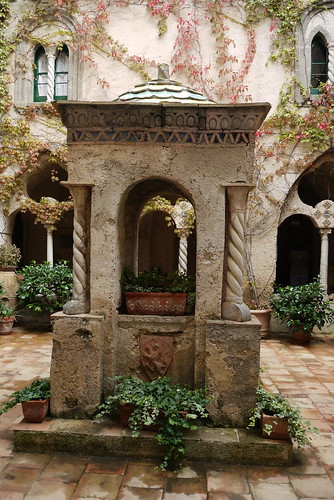
The Villa’s gardens are breathtakingly beautiful and contain a wealth “of the most beautiful flowers imaginable”. They were largely redesigned at the start of the 20th century, with the valuable input of the English gardener Vita Sackville-West. They are considered among the most important examples of the English landscape and botany culture in the South of Europe.
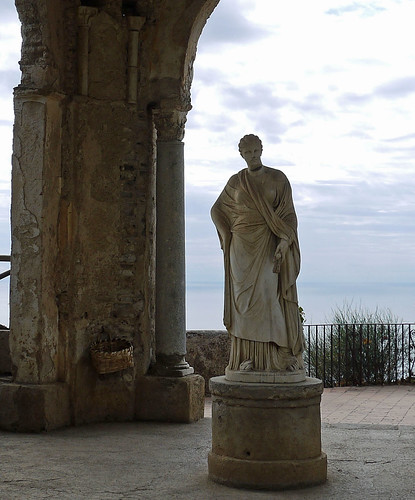
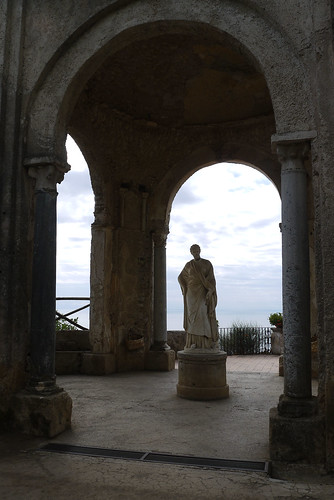
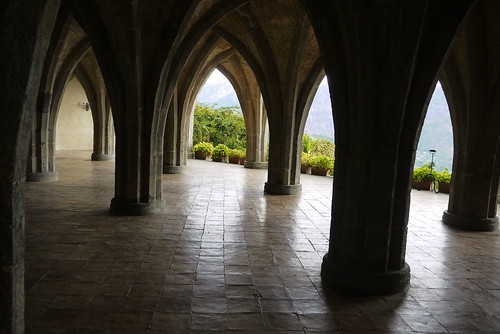
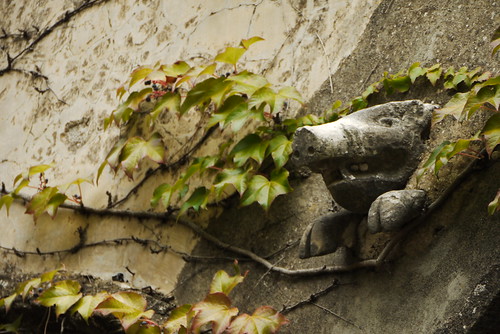
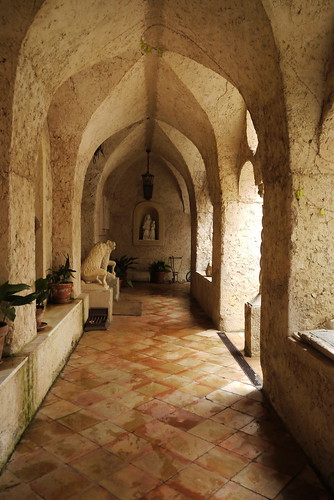
As a result of the strong influence of classical literature and the reinterpretation of the Roman villa, numerous impressive decorative elements from all over the world were placed in the gardens, such as fountains, nymphaea, statues, small temples and pavilions. Some of them often hosted gatherings of the prestigious Bloomsbury Group, which chose Villa Cimbrone as a meeting place and source of inspiration.
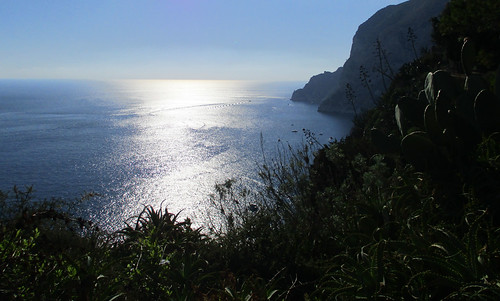
The long central path, which in May 1880 provided the backdrop to the famous horse ride by Cosima and Richard Wagner, ends with the “Infinity Terrace”, where the gaze of onlookers is lost in what Gore Vidal called “the most beautiful view in the world” and where Gregorovius said that one feels “the desire to fly”.
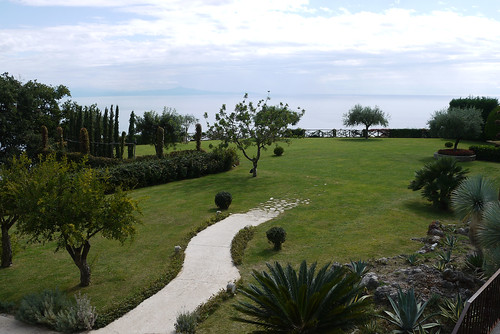
I will be sharing some of the garden features in my upcoming posts.
Tags: Italy, Ravello, Vacation, Villa Cimbrone