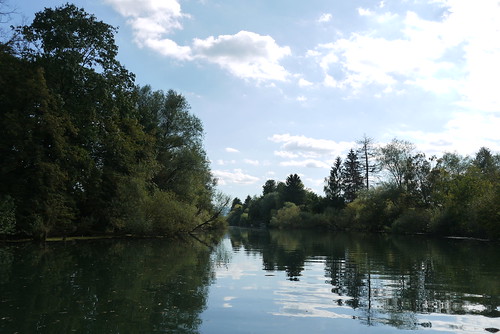
In rivers, the water that you touch is the last of what has passed and the first of that which comes; so with present time.
Leonardo da Vinci
Random thoughts and photos of my journey through life…

Filed under Faith Foundations, Holidays, Piran & Ljubljana 2015
In rivers, the water that you touch is the last of what has passed and the first of that which comes; so with present time.
Leonardo da Vinci
8 Comments CherryPie on Jun 4th 2017
12 Comments CherryPie on Jun 2nd 2017
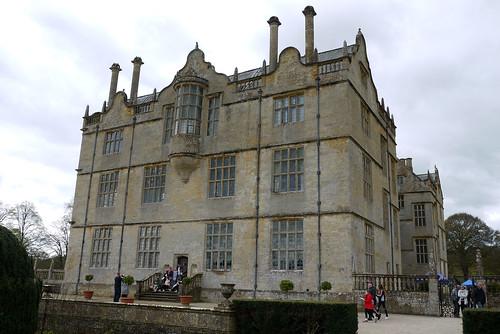
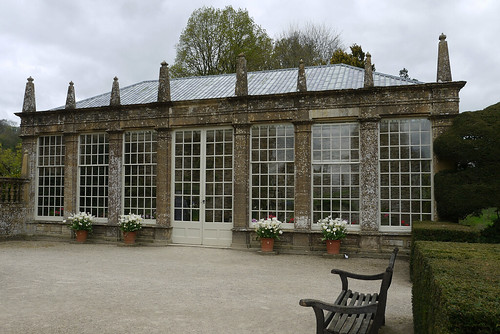
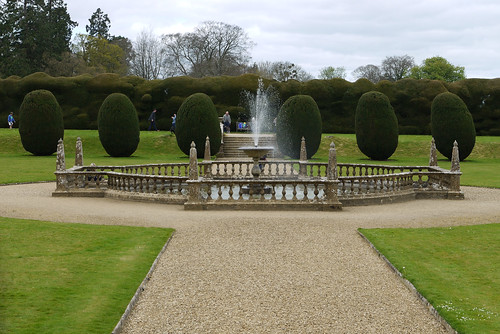
Montacute House was built in about 1598 by Sir Edward Phelips, whose family had lived in the Montacute area since at least 1460, first as yeomen farmers before rising in status.[6] The site was bought from the Cluniac Montacute Priory by Thomas Phelips and passed to his grandson, also called Thomas, who started planning the house, but died before it was built and left the completion of the work to his son Edward.[7] Edward Phelips was a lawyer who had been in Parliament since 1584. He was knighted in 1603[8] and a year later became Speaker of the House. James I appointed him Master of the Rolls and Chancellor to his son and heir Henry, Prince of Wales.[9] Phelips remained at the hub of English political life, and his legal skills were employed when he became opening prosecutor during the trial of the Gunpowder Plotters.[10]
Sir Edward’s choice of architect is unknown,[a] although it has been attributed to the mason William Arnold, who was responsible for the designs of Cranborne Manor and Wadham College, Oxford, and had worked at Dunster Castle, also in Somerset.[12] Dunster has architectural motifs similar to those found at Montacute.[13] Phelips chose as the site for his new mansion a spot close by the existing house, built by his father. The date work commenced is undocumented, but is generally thought to be c. 1598/9, based on dates on a fireplace and in stained glass within the house. The date 1601, engraved above a doorcase, is considered to be the date of completion.[14]
Sir Edward Phelips died in 1614, leaving his family wealthy and landed; he was succeeded by his son, Sir Robert Phelips, who represented various West Country constituencies in Parliament. Robert Phelips has the distinction of being arrested at Montacute. A staunch Protestant, he was subsequently imprisoned in the Tower of London as a result of his opposition to the “Spanish Match” between the Prince of Wales and a Catholic Spanish Infanta.[b]
The family’s fame and notoriety were to be short-lived. Subsequent generations settled down in Somerset to live the lives of county gentry, representing Somerset in Parliament[c] and when necessary following occupations in the army and the church.[d]
10 Comments CherryPie on Jun 1st 2017
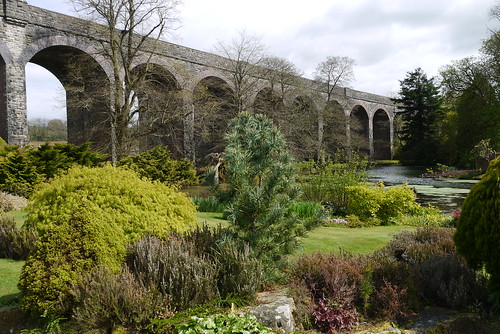
Kilver Courts three and a half acre gardens were created at the beginning of the 1900’s by then owner Ernest Jardine (1859 – 1947). A progressive industrialist, Jardine ran a lace-making factory on the Kilver Court site and created the gardens as a recreational space for his employees. Jardine’s ‘model factory’ became known as ‘Jardines Park’ and were used as a place of recreation and relaxation for the busy, factory workforce.
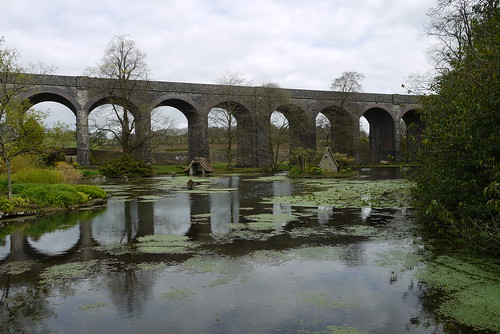
By 1907, Jardine had employed 128 people and produced machinery for his lace-making business. The mill became a real community, with Ernest providing recreation rooms for his workers, as well as introducing a pub, the Ship Inn, to the site and even a schoolhouse for the workers’ children to attend. The old school house is today recognisable as the Mulberry Factory Outlet shop. At the back of the factory, Jardine restored the existing mill pond, transforming it into an ornamental lake with a small rowing boat for the employees. Fruit and vegetables were grown to provide lunchtime meals and allotments were created to encourage workers to grow their own food.
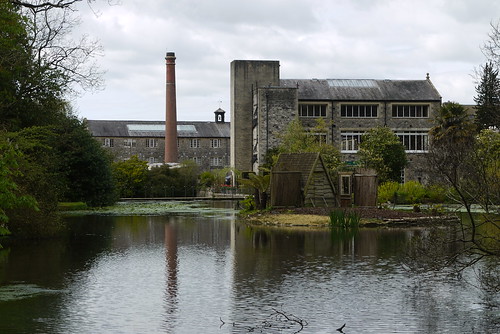
The Showering family have made cider in Shepton Mallet for over 200 years, and set up their first brewery at the former Ship Inn which sits at the front of the Kilver Court site. Part of the original brewery in Kilver Street still remains and is used for cider making. The Great Grandfather of the present Showering generation acquired the land on Kilver Street in 1843 and Francis Showering joined the family business in 1929, producing the experimental drink ‘Babycham’ in 1947
The success of the new drink prompted massive expansion and Showering’s acquired the Kilver Court buildings that sat alongside the River Sheppey to have as a production site.
Jardine’s Park and mill, which were lying empty, were obtained during further expansion in the late 1950’s. Francis Showering oversaw the landscaping of the gardens and in 1961 based his designs on the Chelsea Flower Show gold medal winning garden by Mr Whiteleg – who came himself to oversee the project.
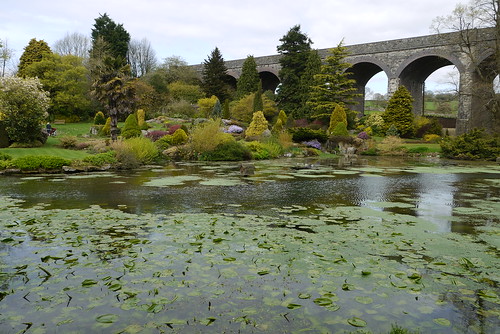
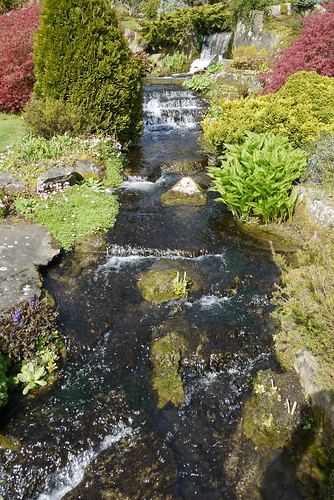
Our rockery is based on the Chelsea Flower Show Gold Medal winning rockery by George Whitelegg is a bold and modern design statement. It is a mature rockery built using sandstone boulders from the Forest of Dean to edge a man-made stream and waterfall.
Conifers provide the larger geometric blocks, featuring Chamaecyparis pisifera ‘Filifera Aurea’, mid-green Picea abies ‘Albertiana Conica’ and the golden columns of Taxus baccata ‘Standishii’. Japanese acers show seasonal variation from delicate spring greens to deep autumnal rusts and purples (look out for the burgundy-leafed palmatum dissectum).
16 Comments CherryPie on May 30th 2017
14 Comments CherryPie on May 29th 2017
Teach us delight in simple things,
And mirth that has no bitter springs.
Rudyard Kipling

10 Comments CherryPie on May 28th 2017