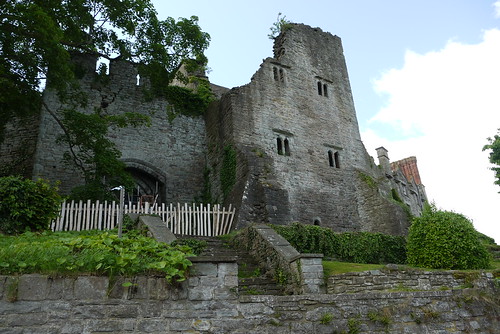
Hay Castle is currently in need of a little TLC…
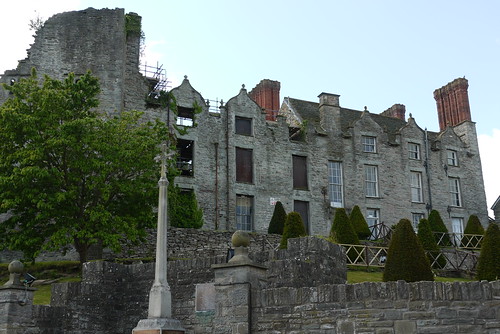
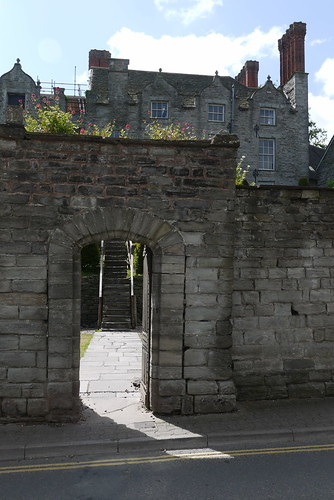
Hay Castle is very much under threat. The castle and manor are in desperate need of conservation to prevent further deterioration. The Norman keep is unstable and unsafe for entry. The famed archway is impassible. The east wing of the Jacobean manor remains roofless and derelict, and its decorated stone walls are collapsing.*
History
Hay Castle is one of the great medieval structures on the border of England and Wales. Built in the late 12th century by the powerful Norman Lord William de Braose, its history is long and turbulent. The castle was sacked by Llewelyn II, the last prince of Wales, in 1233 and rebuilt by Henry III. Centuries of turmoil followed until the 15th century, when the castle passed into the hands of the Beaufort Estates. Castle House, a Jacobean mansion, was built alongside the tower in 1660.
The remains of the castle include a four-story keep and a beautiful arched gateway. The multi-gabled Jacobean manor was severely damaged by fire in 1939 and again in 1977. Owned by bibliophile Richard Booth since the 1960’s, the site was purchased in 2011 by the Hay Castle Trust.*
*Hay Castle Trust
Tags: Castle, Hay-on-Wye, Mini Break
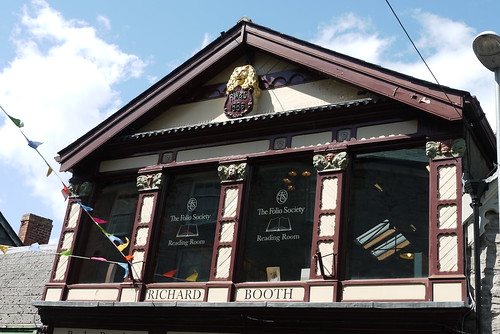
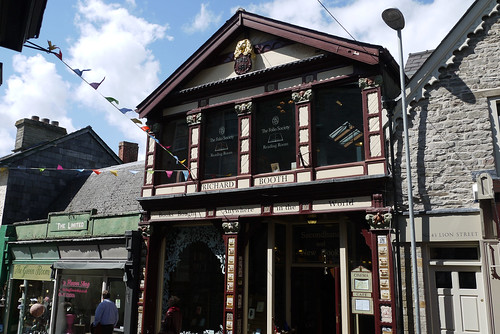
Hay was a quiet run down market town in 1962, when Richard Booth opened his first bookshop. Ten years and 40 bookshops later, the town became a Mecca for book lovers the whole world over. On 1st April 1977 (All Fools’ Day) Richard declared Hay an Independent Kingdom and the town has been in the public eye ever since. The twinning with Timbuktu and [the] annual Literary Festival have helped.*
*From tourist information leaflet.
Tags: Books, Hay-on-Wye, Mini Break
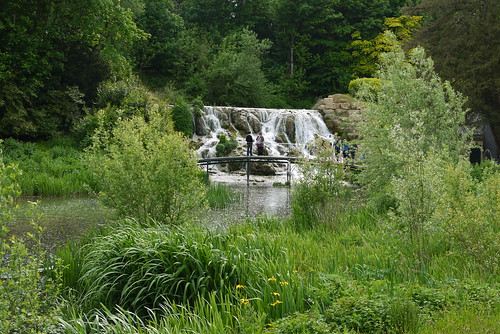
Designed by ‘Capability’ Brown in the 1760s, the Grand Cascade at the western end of the lake is one of England’s most picturesque waterfalls. Here the Glyme plunges dramatically from the lake and the slowly winds south-westwards under the ‘New’ Bridge designed by Sir William Chambers, eventually joining the River Evenlode, a tributary of the Thames.*
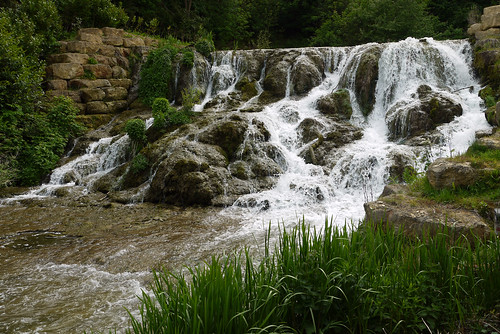
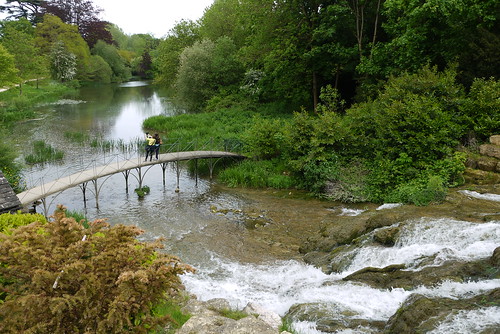
Unfortunately I wasn’t able to appreciate the cascade and bridge from all angles due to extended ‘Selfie taking’ on the bridge…
*From the Blenheim Palace guidebook printed 2014
Tags: Blenheim Palace, The Grand Cascade
He that loveth not, knoweth not God, for God is love.
1 John 4:8
Tags: Cherie's Place Thought, Dorothy Clive Garden, Flowers
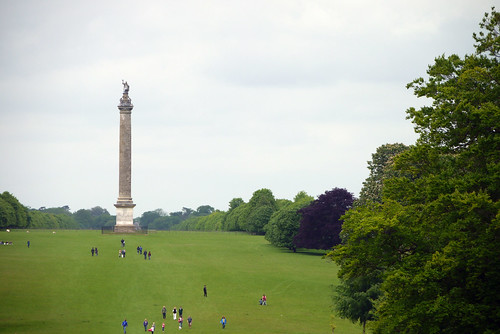
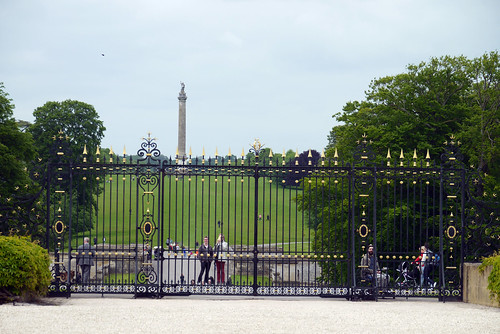
The 41-metre (134-foot)-high Doric ‘Column of Victory’ stands at the entrance to the Great Avenue in the Park. It is crowned by a lead statue of the 1st Duke, by Robert Pit. The statue depicts him dressed as a Roman general, with eagles at his feet and a Winged Victory in his hand. The monument was begun in 1727, five years after his death, and completed in 1730 at a cost of £3.000.*
Three sides feature extracts from the Acts of Parliament that settled the estate on the 1st Duke and his descendants in both the male and female lines. On the fourth side, facing the palace, is an epitaph to Malborough by Lord Bolingbroke (Henry St John) – Ironically a hated political foe of the Marlboroughs form the days of Queen Anne.*
Sir Winston Churchill wrote of the Column of Victory’s epitaph in his biography of the 1st Duke. ‘The inscription is a masterpiece of compact and majestic statement. In fact, it would serve as a history in itself, were all other records lost.’*
*From the Blenheim Palace guidebook printed 2014
Tags: Blenheim Palace, The Victory Column
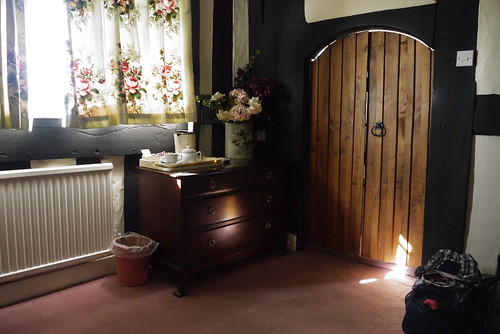
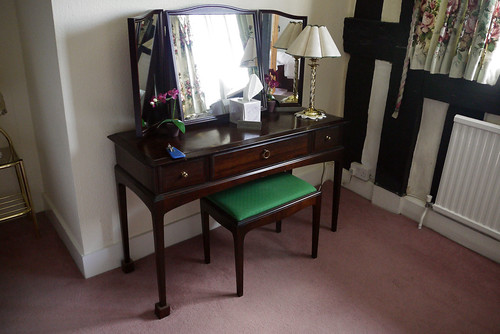
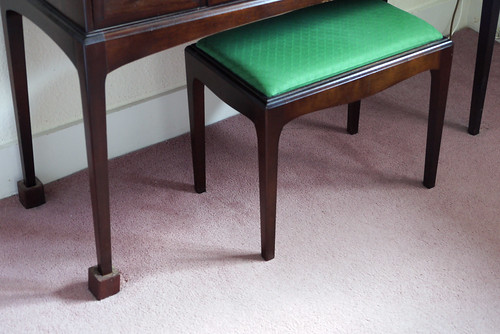
As you can see from the previous post Rhydspence is a little uneven in shape. The floors are also uneven and requiring adjustment to the furniture. This all adds to its charm.
Tags: Herefordshire, Mini Break, Rhydspence, Whitney on Wye