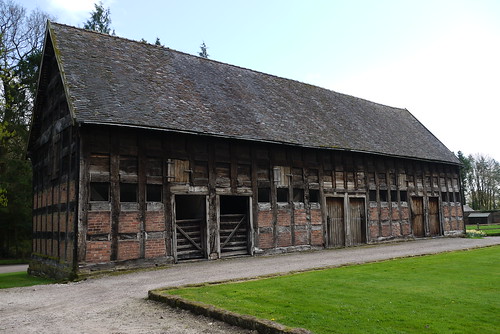
The Tithe Barn

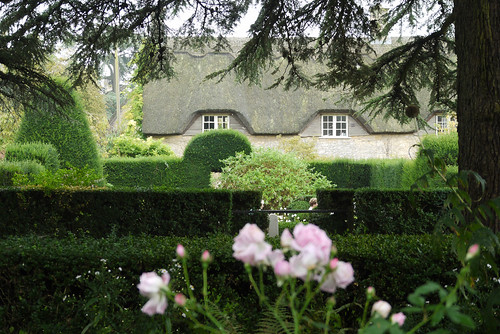
This lovely timber framed threshing barn built in around 1610 always fascinates me when I visit Hodnet Hall Gardens.

BuildingHistory.org on the history of barns:

Often the dominating farm building is the barn, the storehouse for the grain crop. It can be recognised by its great doors – two opposite each other large enough for a fully-laden wagon to pass through. In between the doors lies the threshing floor, taking advantage of the through draft. The largest barns have two threshing floors with two sets of doors.

Since the lowlands provide much good arable land, while the highlands are generally better suited to pastoral farming, the biggest barns in Britain can be found in Southern and Eastern England. Medieval barns tend to be called tithe barns. Some barns were indeed built to house the tithes due to the local rector, but in other cases the label is misleading. Some of the most impressive medieval barns were built by monastic houses or bishops on manors that they owned; they would have housed the crop from the lord’s demesne.

Grain storage could be combined with other farm uses, such as housing livestock. Cattle could be sheltered in end bays or aisles of single-storey barns, or on the ground floor of a split-level, dual-purpose building (a chall barn in Cornwall). These include the bank barns found in England mainly in the Lake District and parts of Cornwall, Devon and Somerset. In the South-West they were introduced in the late 18th century, but mainly date from the mid-19th century. Bank barns are built into a slope, so that both floors can be entered at ground level. The lower floor provided a byre, perhaps combined with stable and cart shed. Above was the barn.
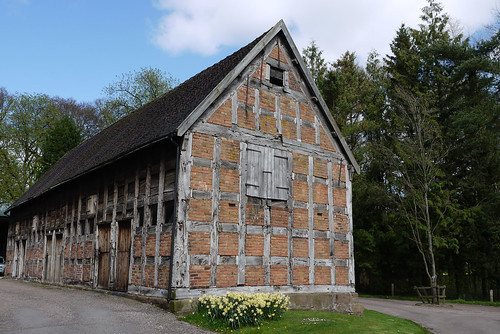
The Tithe Barn

Historically parishioners were expected to pay one tenth (a tithe) of their yearly income to their local church.

Parishioners gave a tenth of their yearly produce (tithes, or in Scotland teinds) to their church, a system which generated a range of records over the centuries, from national surveys of clerical wealth to parochial glebe terriers and tithe maps.

Many pious medieval patrons chose to grant their church to a monastic house, particularly in the 12th century, when there was a surge of disapproval of churches in private hands. The monastery thereby became the official rector, appointing a vicar (clerical deputy) to carry out parochial duties. A monastery as rector would generally collect the ‘greater tithes’ (those of grain) for its own use, while the vicar had the ‘lesser tithes’ of other produce. After the Dissolution, the rectories and advowsons formerly held by monastic houses were sold, so that there were many lay rectors thereafter. A rectory could include land originally granted to the church (glebe land), as well as tithes.

In Scotland teinds were abolished at the Reformation; in Ireland tithes were abolished in 1869; in England and Wales the process was more drawn out. The Tithe Commutation Act of 1836 substituted a rent for the payment of tithes in kind; it spawned the tithe maps and awards in the late 1830s. The rent charges were abolished in 1936 and replaced by an annuity payable to the State until 1996.
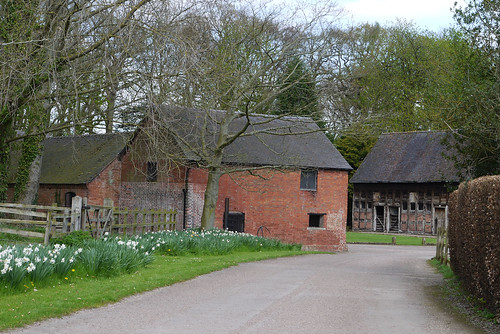
Farm Buildings

14 Comments CherryPie on Feb 21st 2015

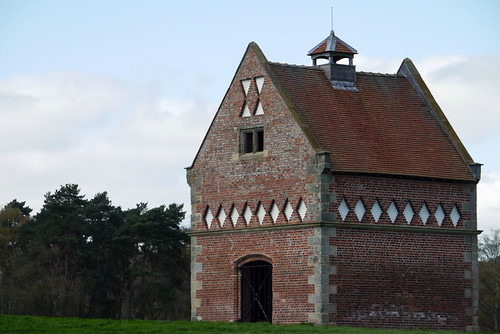
Hodnet Hall Dovecote

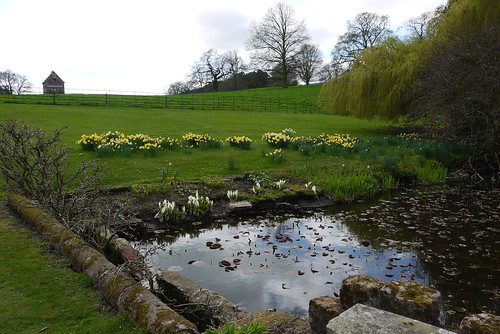
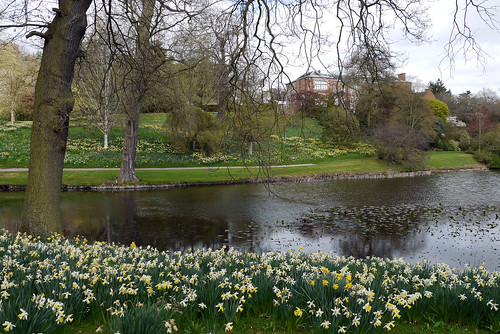
The dovecote is a Grade II listed building and Scheduled Ancient Monument. It was built in 1656 and predates the original 19th century hall and is more contemporary with the 17th century Tithe Barn that is situated near by. The current hall is shown in the bottom photograph.

Hodnet in Spring

It was built with nesting holes for pigeons, valued for the meat of their young, manure for fertiliser and feathers for bedding. Young pigeons, or squabs, were taken from their nest holes before they learnt to fly, supplying the household with a tender and easily obtained food source during the nesting season (mainly Spring and early Autumn). Dovecotes, symbolic of this luxurious delicacy, demonstrated financial and social prosperity and were generally built in prominent locations. The Dovecote would have been visible to the Old House to the north east, but the evolution of the landscape (the House relocation, new parkland and gardens) has increased the Dovecote’s prominence and significance in this setting, becoming the focal point of the new Hall’s south facing vista.

Changes in cultural attitude in the 19th century meant that many dovecotes were demolished or converted for alternative uses. Hodnet Hall Dovecote had a floor constructed at mid-height; the top half still used for pigeons, but the ground floor converted for holding cattle, with hay mangers installed and lower nest holes bricked up. The north entrance, a small doorway that could be squeezed through and blocked when entering to search for squabs, was replaced by the larger south opening and the brick floor was installed.*

Hodnet Hall in Spring

*From a signboard next to the Dovecote

6 Comments CherryPie on Feb 20th 2015

Hidcote

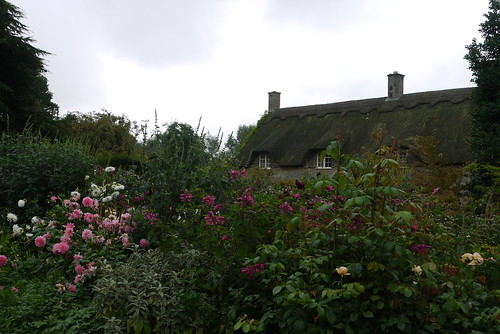
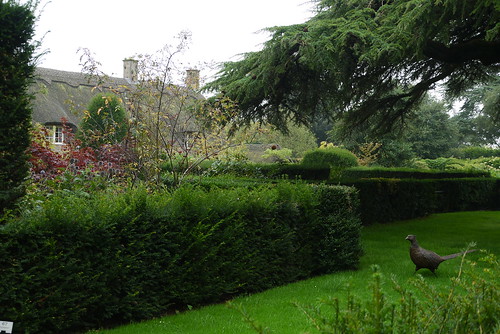
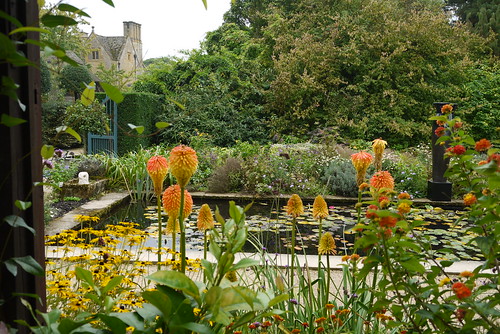
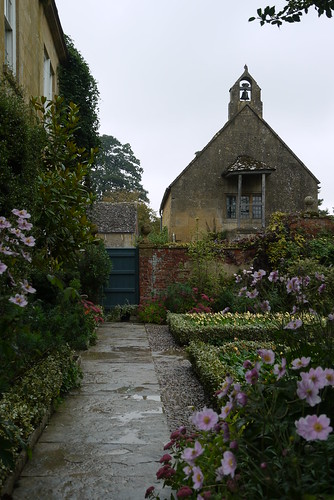
Hidcote Manor Garden is one of those gardens which can only be found in England! Created by keen horticulturist, Major Lawrence Johnston, on a Cotswold property bought for him by his mother, it is a series of garden rooms with pavilions, clipped hedges, paved paths, topiary and green “doorways” framing one beautiful sight after another.

Hidcote

Hidcote

Hidcote

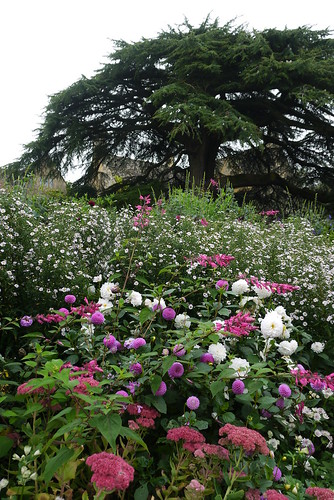
Divided into small manageable outdoor rooms, each with their individual character and theme, the gardens are filled with established rare shrubs and exotic flowering trees. The herbaceous borders, a typical English country garden feature, are quite magnificent.

Hidcote Manor Garden is somewhere to enjoy in every season. The vibrant primary colours of the spring bulbs give way to azaleas, rhododendrons and magnolias. After the glorious colours of the summer borders have faded, autumn is celebrated in the glorious Red Border.

Hidcote

Hidcote

My previous post on Hidcote can be found here.

This concludes my ‘Winchester Vacation’ travels. I wonder where I will take you next…

12 Comments CherryPie on Feb 19th 2015

Hidcote

Hidcote

Hidcote

Hidcote

20 Comments CherryPie on Feb 18th 2015

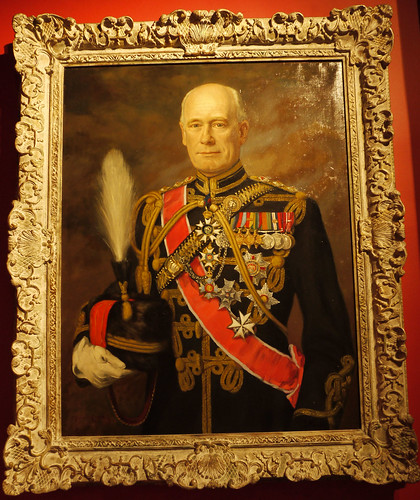
Lieutenant General Sir Charles Gairdner

GBE KCMG KCVO CB

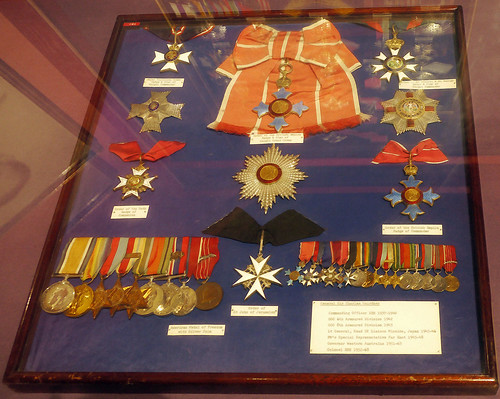
He commanded the 10th Hussars from 1937 to 1940, and was Colonel of the Regiment from 1949 to 1952. After the Second World War he was head of the United Kingdom Liaison Mission to Japan, and Prime Minister’s personal representative. Between 1951 and 1968 he was Governor of Western Australia and then Tasmania. He died in 1983, aged 85.*

Highly Decorated

*From information next to the painting

13 Comments CherryPie on Feb 17th 2015

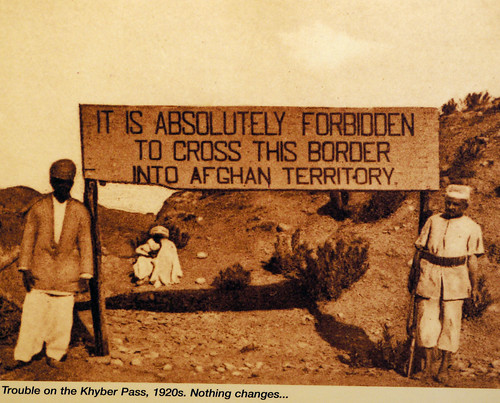
Some Things Never Change

12 Comments CherryPie on Feb 16th 2015

Therefore I say unto you, What things soever ye desire, when ye pray, believe that ye receive them, and ye shall have them.

Mark 11:24

Leighton

18 Comments CherryPie on Feb 15th 2015

« Newer Posts - Older Posts »