10 Comments CherryPie on Apr 11th 2014
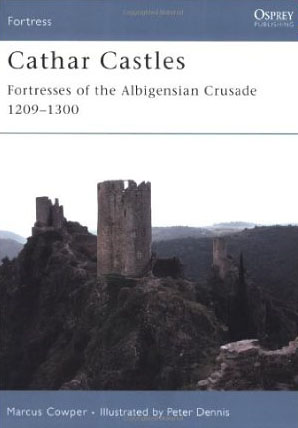
…Fortresses of the Albigensian Crusade 1209 – 1300
 Synopsis:
During the early 13th century the north of what is now France went to war with the south in a bloody crusade aimed at destroying the heretical sect know as the Cathars. The conflict was characterized by vicious guerrilla actions and the besieging of the innumerable fortified sites that dotted the landscaped of the south. Illustrated with full colour artwork and stunning photographs, this book describes the castle and the fortifications of the Cathar period, examining their design, construction and the role that they played during the Albigensian Crusade.
Review:
The book gives a concise overview of the political and religious history of the time and how the tensions led to the Albigensian Crusade. It then moves on to the Castles as featured in the title. The book details the design and development of the fortifications along with the history of the sites and where they were located. The book goes into further detail describing the sites when they were at war and what happened afterwards.
The final chapter provides information on ‘visiting the sites today’, it gives brief details of the major sites, their opening times and where to find out more information about them.
The book has many photographs and illustrations in both colour and monochrome which enrich the text.
I found the book informative and concise. It left me wanting to find out more about the fortifications that played such a big part in the Albigensian Crusade.
10 Comments CherryPie on Apr 10th 2014
For my birthday I had been given a copy of Bradshaw’s Handbook and found the descriptions of the towns quite delightful. So with a book voucher I received for Christmas I treated myself to Bradshaw’s Continental Railway Guide.
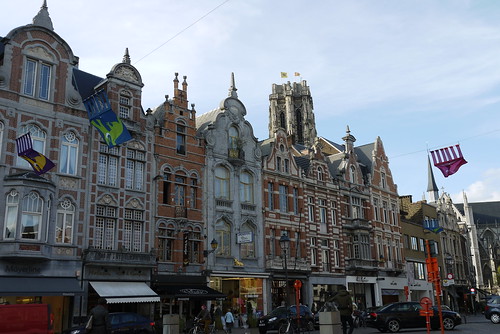
I looked up Mechelen within it’s pages and found that in 1913 when the book was published the town was listed by it’s French name Malines. This is what Bradshaw had to say about the town:
An old town on the River Dyle, with broad streets, in some respects picturesque but with dull and squalid quarters.
The guide then goes on to describe some notable architecture and art.
The 2013 edition of the Eyewitness Travel Guide to Belgium and Luxembourg describes Mechelen in a more favorable light:
Leveun and Mechelen are beautiful medieval towns, with outstanding architectural treasures. (p142)
The historic city of Mechelen, on the River Dijle has exceptional charm. (p157)
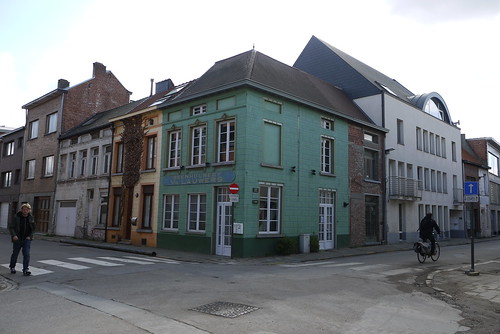
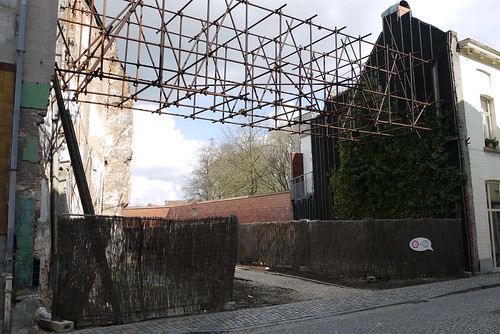
I found the city picturesque with exceptional charm, outstanding architectural treasures and artworks. Currently several of the buildings are under renovation which means that some of the buildings are obscured by scaffolding.
It seems that Mechelen/Malines has changed little in character over the 100 years since Bradshaw shared his views on Malines.
12 Comments CherryPie on Apr 9th 2014
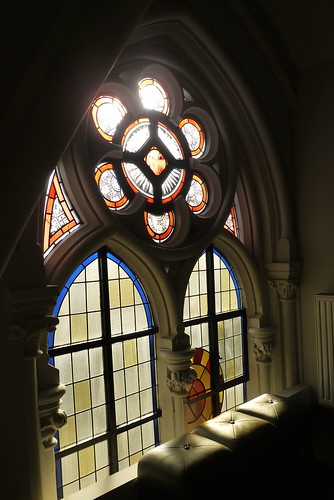
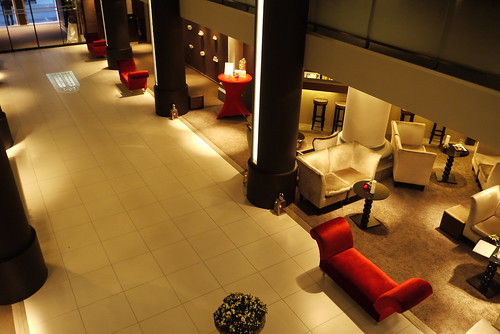
… it is time to enjoy a few features of the hotel before we retire for some well earned sleep.
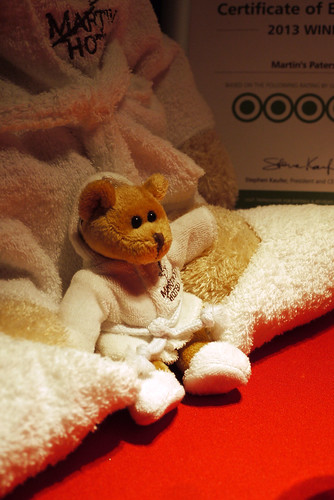
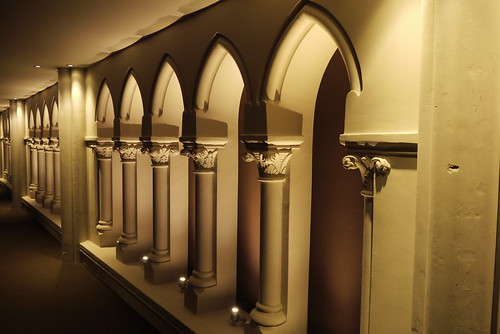
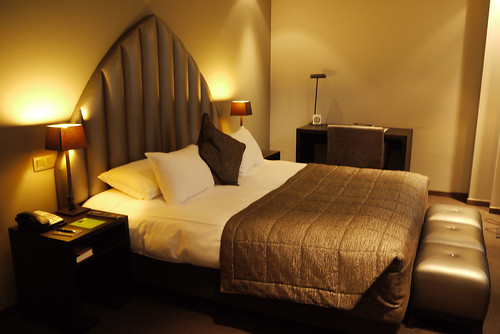
16 Comments CherryPie on Apr 8th 2014
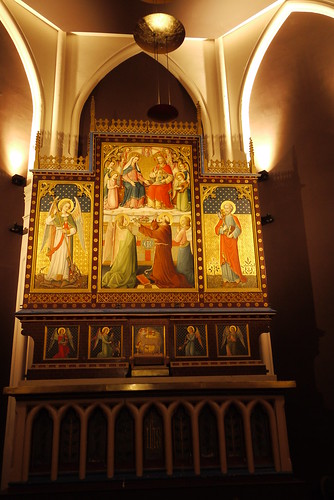
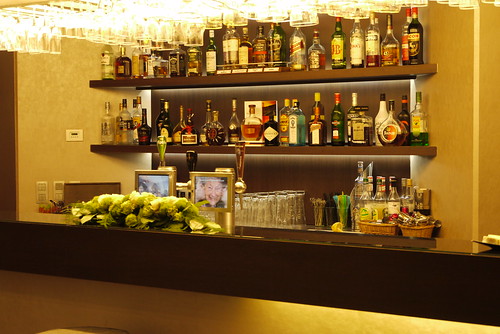
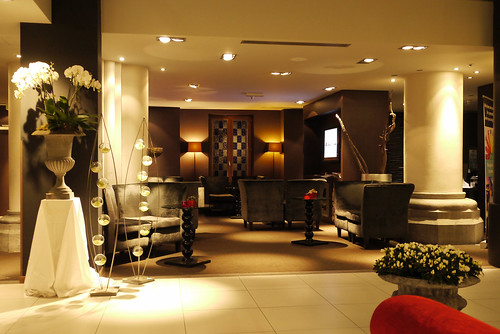
… it is time to ‘rest a while’ on the comfy chairs next to the well stocked bar.
We can enjoy each others company, enjoy the atmosphere and watch the world go by 
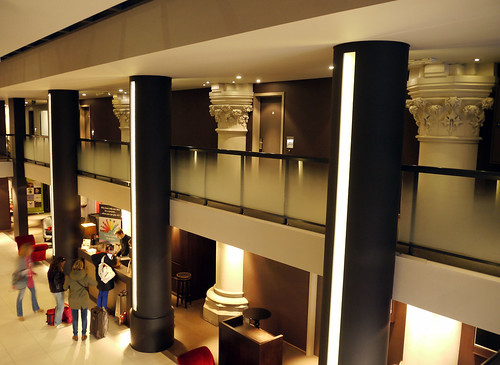
6 Comments CherryPie on Apr 7th 2014
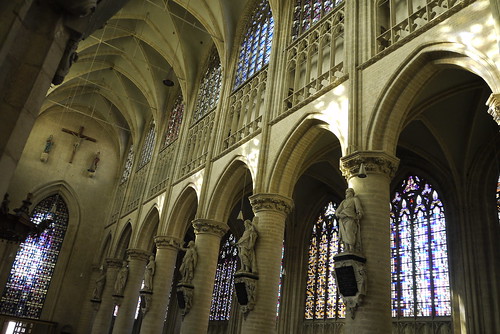
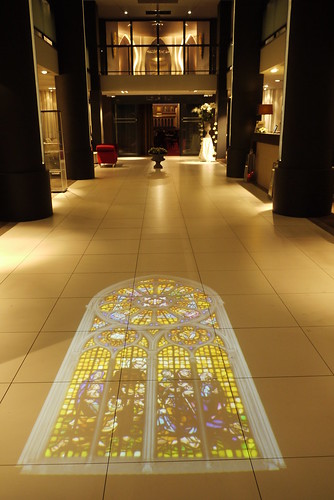
People are like stained glass windows. They sparkle and shine when the sun is out, but when the darkness sets in, their true beauty is revealed only if there is light from within.
Elizabeth Kubler-Ross
12 Comments CherryPie on Apr 6th 2014
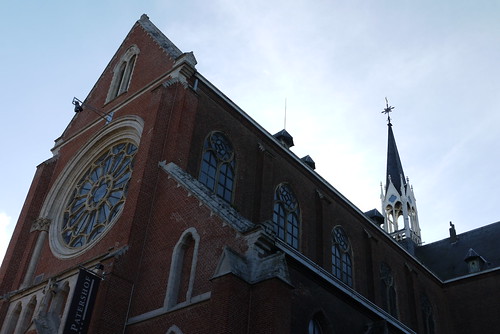
A previous post explains how we ended up staying in this hotel in Mechelan. I fell in love with the hotel 
As luck would have it an email arrived from the Belgian hotel chain that we used when we stayed in Bruges. It gave us inspiration and I fell in love with one of the hotels in the chain. The Hotel is a converted Church! I researched the hotel’s town and found that it had many things of interest. The guidebooks describe it as a beautiful medieval town, with charm and outstanding architectural treasures.
I was also curious about the history of the church. I was happy to find that the hotel provided this information in the ‘useful information book’ which can be found in most hotel rooms.
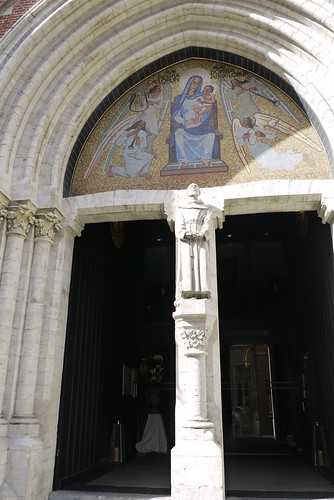
The building which houses Martin’s Patershof dates from the late 19th century and formed part of the Franciscan monastery. Members of the Franciscan order, the Friars Minor shared their history with that of Mechelen from their arrival in 1231. They were expelled under the French revolution of the late 18th century, but Belgian independence and the state approval of the religious orders saw their re-establishment.
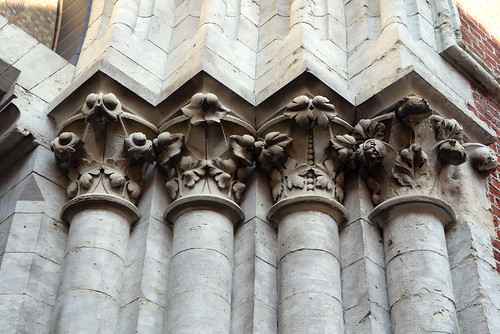
The construction of their new church, a neo-gothic building, started in the Hiehoek area 1867 area and was completed in 1873, followed by the completion of the cloisters.
At the end of the 1990s, the Franciscans left their monastery and put it up for sale. The gardens and part of the cloister were turned into a residential development called ‘Patershof’. In 1999, the building was deconsecrated and then sold to a private individual. Spring 2008 saw the beginnings of the metamorphosis of a heritage site in danger of extinction. Less than 14 months later, Martin’s Patershof opened its doors.
8 Comments CherryPie on Apr 5th 2014