As I mentioned in my previous post I was unable to view parts of the Peterborough Cathedral due to it being occupied by invaders.
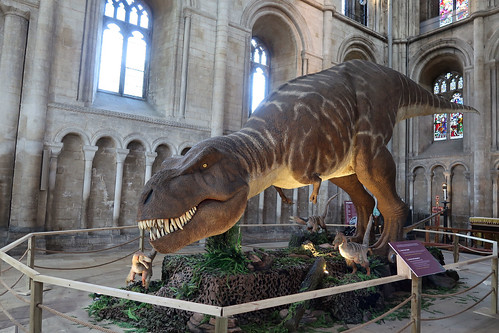
The invaders were animatronic dinosaurs from the National History Museum. The exhibiton, entitled, ‘T. Rex: The Killer Question’ explored the question of whether T. Rex was a ferocious hunter or just a scavenger.
The exhibition meant that parts of the Cathedral were off limits unless we purchased a ticket to see the dinosaurs.



Tags: Dinosaur, Dinosaurs, Peterborough, Peterborough Cathedral, T. Rex: The Killer Question, The Natural History Museum, Vacation
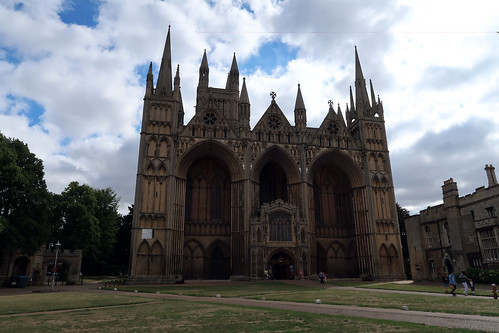
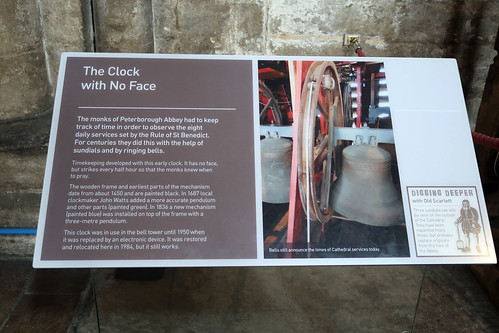
The Norman Peterborough Cathedral was founded as a monastic community in 654 AD. The Cathedral is the burial place to two queens and the scene of Civil War upheavals.

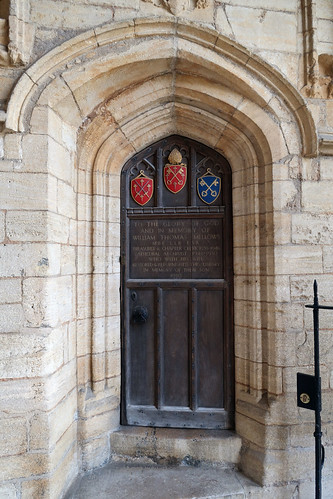




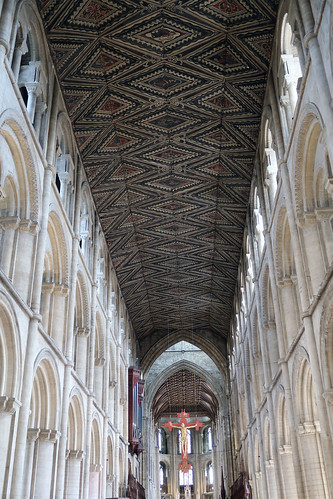


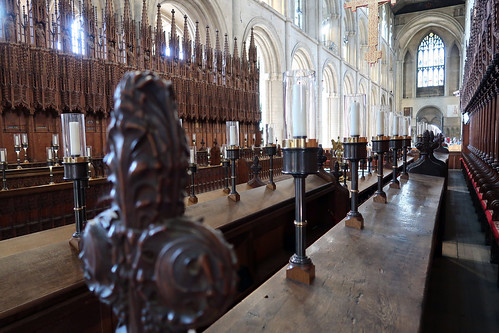

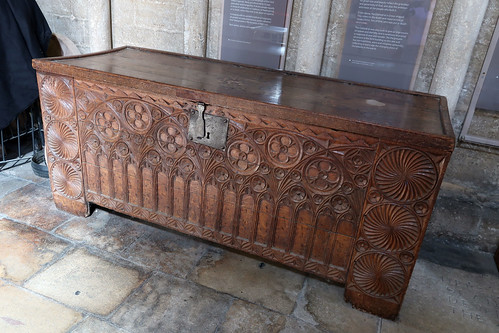

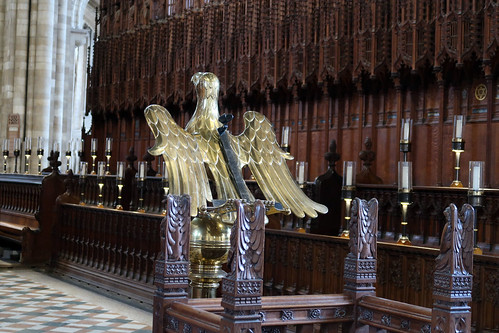


During our visit the Cathedral was under occupation by a different threat. More on that in my next post.
Tags: Peterborough, Peterborough Cathedral, Vacation
…. followed by a different walk
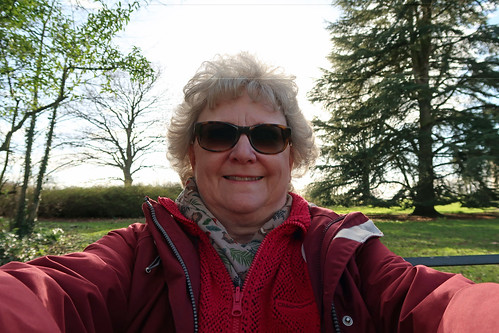
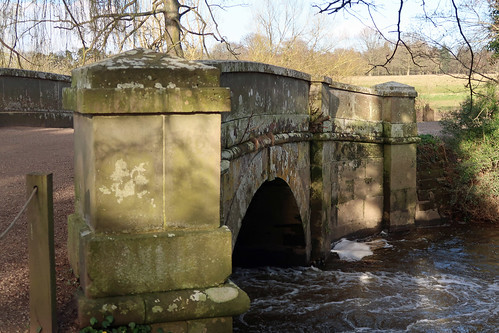
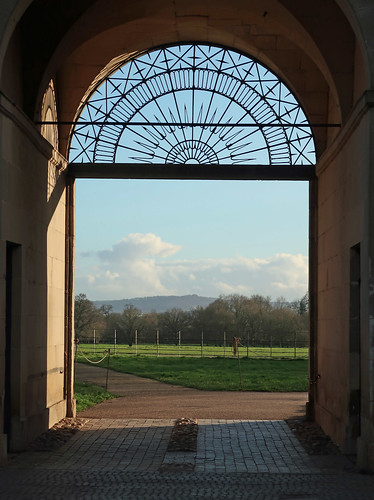
This walk was there and back again. I wasn’t able to navigate my way around a small muddy area and I wasn’t in the mood for walking through mud 
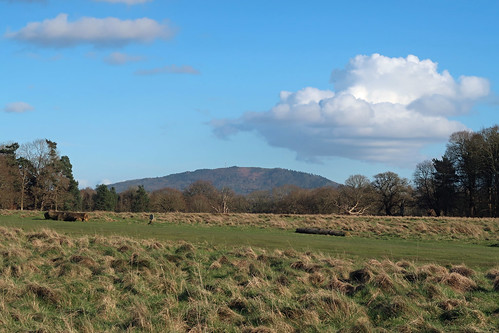
I ‘was’ in the mood for the glorious sunshine after so many rainy days. Lucky me for choosing an sunny ’slot’.



Tags: #walk1000miles, #walk1000miles2024, Attingham Park, National Trust, Portrait, Self Portrait, Visitor Reception, Volunteering
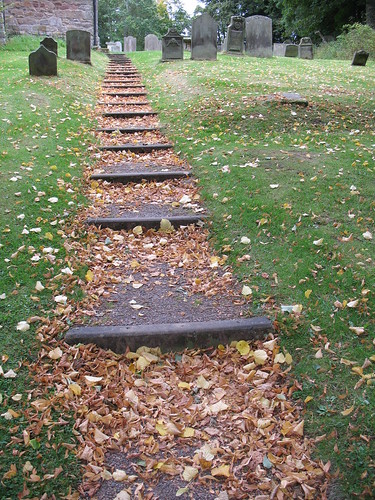
Each blade of grass has its spot on earth whence it draws its life, its strength; and so is man rooted to the land from which he draws his faith together with his life.
Joseph Conrad
Tags: Cherie's Place Thought, Chillingham, Northumber- land, Nortumberland 2009, St Peter's Parish Church
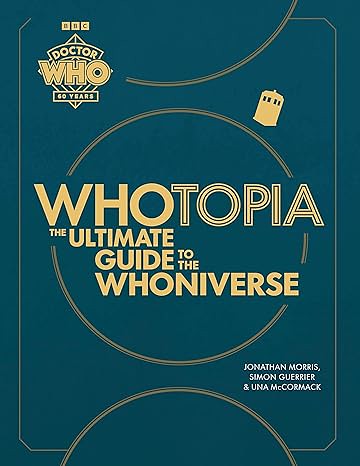
… The Ultimate Guide to the Whoniverse
The stay at home and working from home policies due to Covid 19 led to lunch time dates with Mr C with his TV choices. One of the later choices as we came out of the lockdowns was the rebooted Dr Who starting with Christopher Eccleston. We avidly watched all the episodes of ‘New Who’ leaving me with a nostalgic feeling and memories of the original episodes.
I sought out the old episodes on the internet to find some of my childhood memories, enjoying my journey back through time. Some of the original video footage no longer remains but the audio tapes still exist allowing recreations through original photos and animation.
For the 60th anniversary of Dr Who the original episodes were published on Youtube, along with this book. The words from the back of the book describe it better than I can:
Six decades may only be a handful of heartbeats to a Time Lord, but for Doctor Who it’s the adventure of several lifetimes. Evolving over 60 years, the world’s longest-running sci-fi TV show has gifted us a universe of menacing monsters and unforgettable heroes. You might even call it a ‘Whotopia’.
Now you can roam free through the Doctor’s dimension as never before in this special commemorative book for Doctor Who’s diamond anniversary. Join all the Doctors as each tells their own story. Learn about their legions of legendary allies – and hear from the monsters’ own mouths about what makes them tick. Find danger on alien worlds and threats here on Earth in all eras. And explore the gadgets, robots, spaceships, computers and mind-blowing creations that crowd the never-ending corridors of Whotopia.
This book was a Christmas present and I have enjoyed dipping in and out of my ‘Geeky’ nostalgia.
Tags: #4, 2024 Books, 60th Anniversary, Books, Dr Who, Whotopia
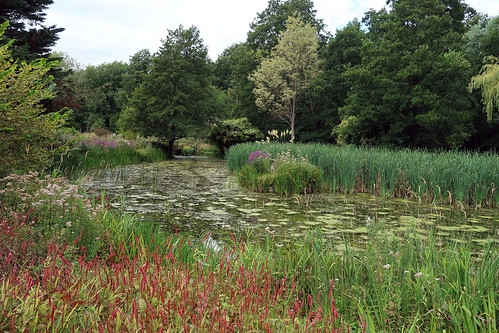
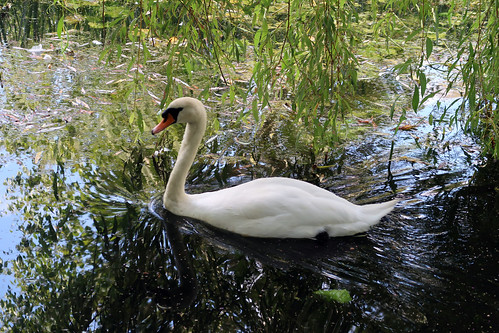
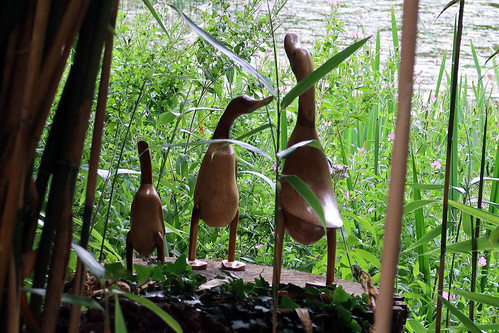
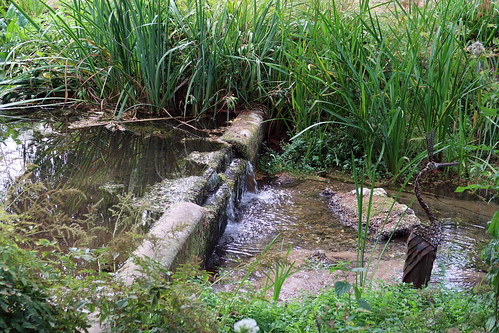
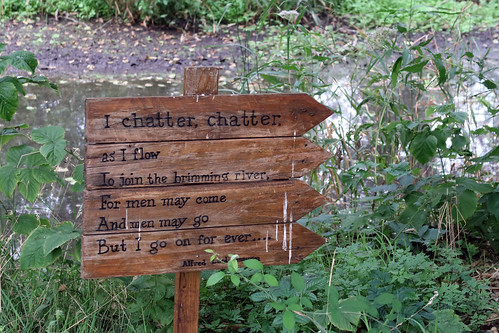
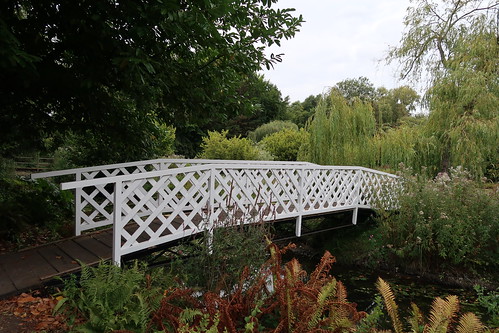
Billy Knights, a retired farmer began designing and creating the Water Gardens in 1970 in his 70th year. The site was a damp meadow which became too wet for cattle to graze.
Mr Knights’s son jokingly suggested he should have a water garden, which prompted him to draw out plans (on the back of a piece of wallpaper) and he soon had machines in, digging out the ponds and waterways.
He worked on his garden with love and enthusiasm until he died aged 93. For over 20 years the gardens had been open to the public.
Both Billy and his wife Florence loved their gardens and sharing them with others. With this in mind and as a tribute to her parents Coral began restoration in April 2002. Having been unattended and closed for five years the gardens had become quiet derelict.
However, they were re-opened again in June 2003, with a new car park, refurbished tearoom/gallery, a toilet for disabled people and an 8 acre Natural Trail.
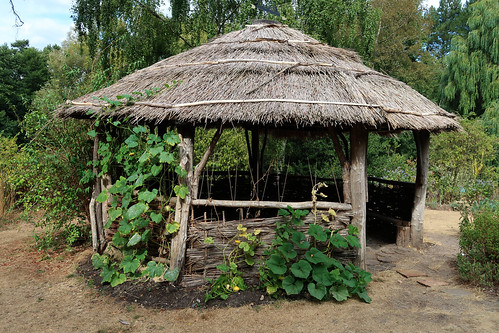
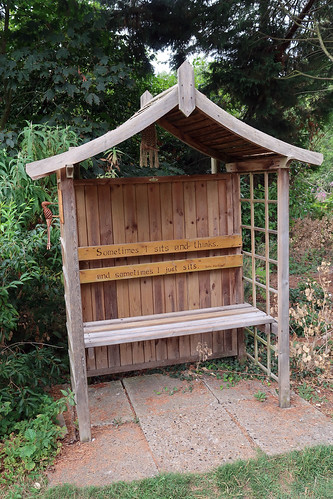
There has since been the planting of native shrubs and trees around the East Pond, the addition of a bird hide, bamboo grove, scented arbour, rustic roundhouse, stumpery and plant sales. *

* Information from the water gardens website
Tags: Gooderstone Water Gardens, Lingwood, Norfolk, Vacation