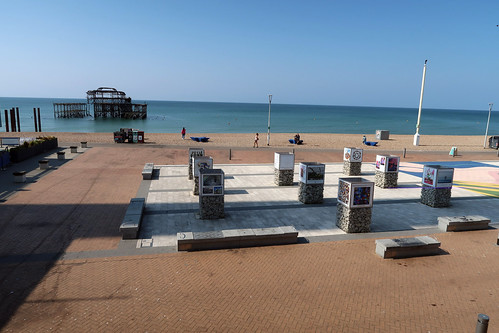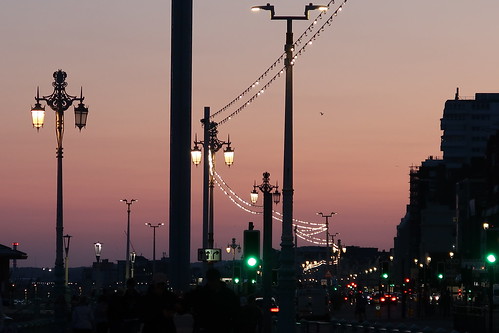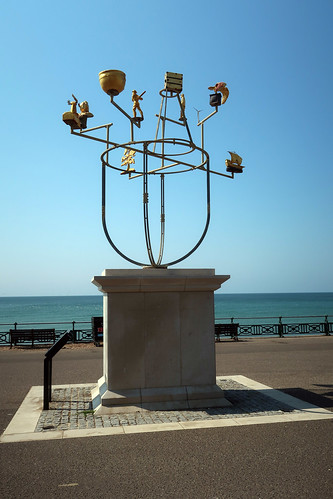
Commissioned by Hove Civic Society as the inaugural sculpture for Hove Plinth, April 2018
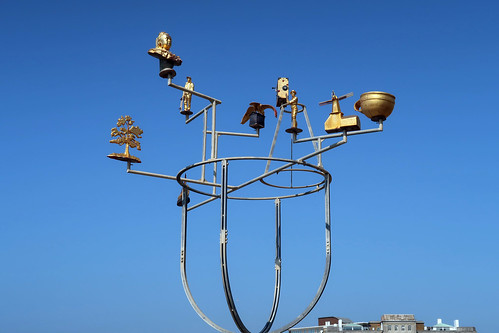
The sculpture is based on an Orrery, a mechanical model of the solar system. Rather than planets, icons based onpopular things associated with the past and present of Hove orbit the system.
The Constellation icons represent; The Amber Cup, The Hove Ship, Queen Victoria, West Blatchington Windmill, Sussex Cricketer, Special Effects Cine Camera, Rampion Wind Turbine, Elm Tree, Hove Beach Hut, Seagull, Skateboarder. *
*Information from a signboard next to the sculpture
Tags: Brighton, Constellation, Hove, Hove Plinth, Orrery, Vacation
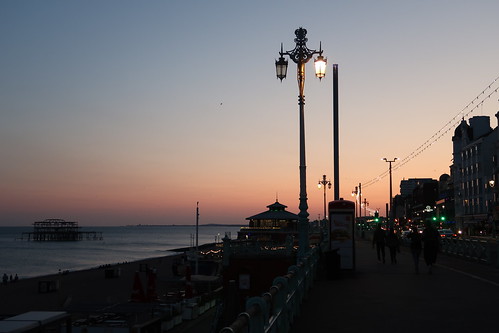
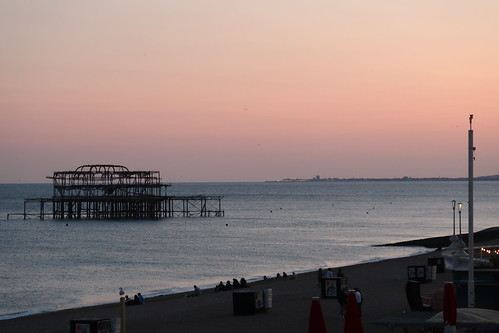
The night walked down the sky with the moon in her hand
Frederic Lawrence Knowles

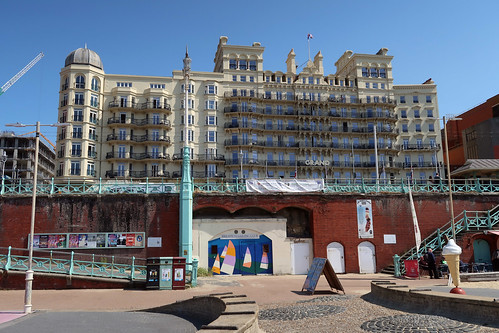
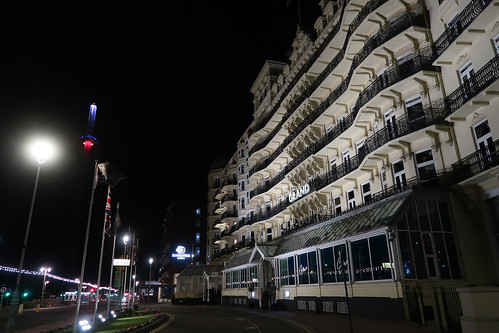
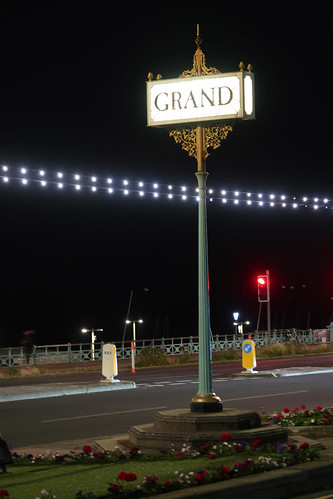
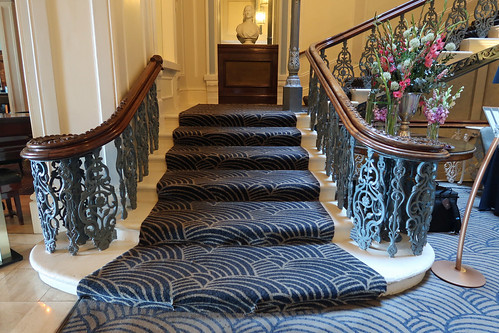
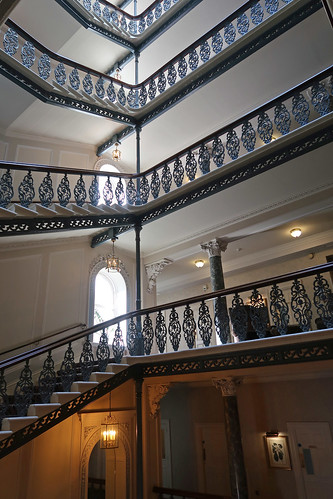
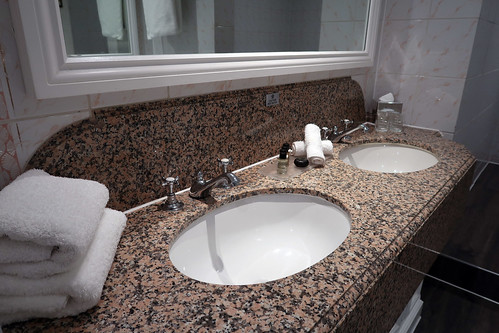
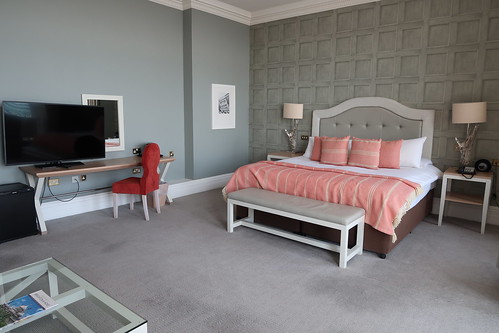
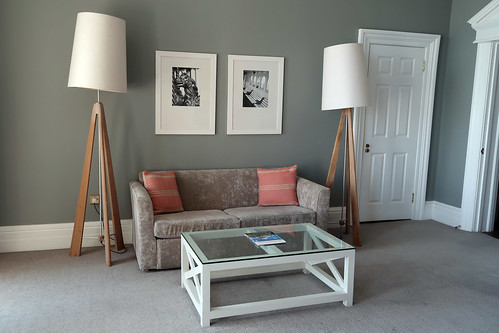
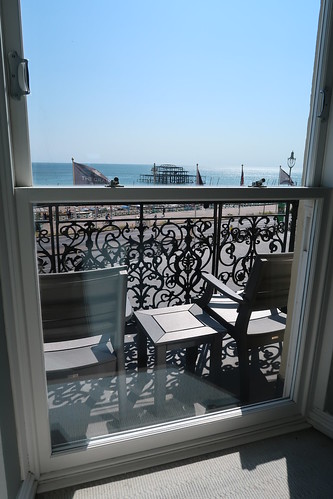
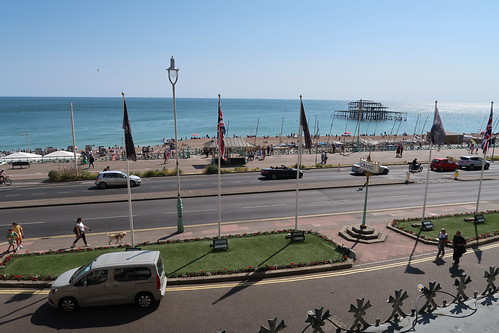
In Brighton we stayed in a fabulous room with a view, just perfect for our special celebration.
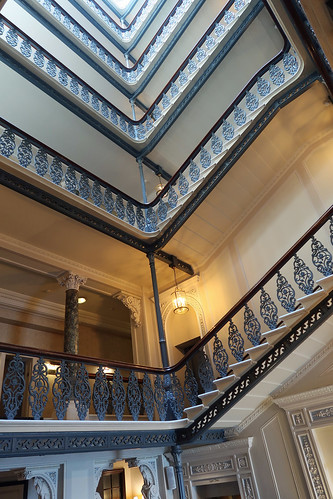
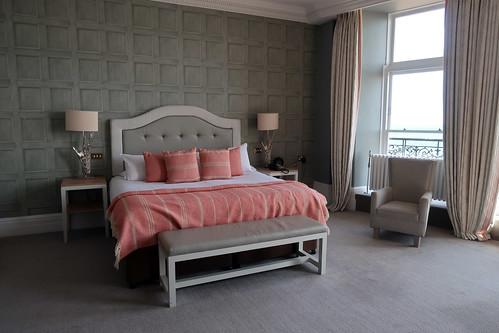

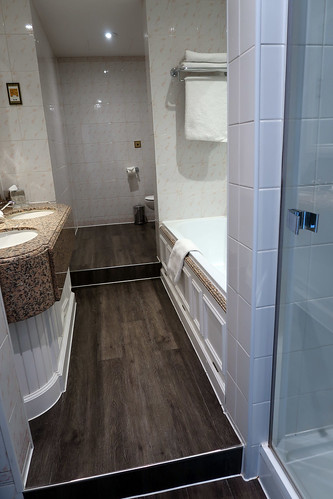
Tags: Brighton, East Sussex, Room 118, The Grand Hotel

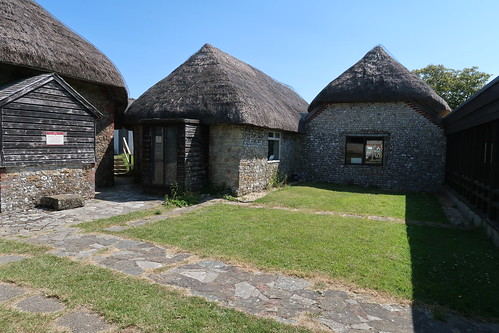
Bignor Roman Villa was discovered by George Tupper, a farmer in 1811 when his plough hit a large stone. The discovery led to the site being excavated by John Hawkins who lived in the nearby Bignor Park, and Samuel Lysons. The site, still owned by the Tupper family opened to the public in 1814.
The villa is situated just north of the South Downs close to Stane Street, about nine miles northeast of Chichester (the Roman city of Noviomagus Reginorum) and the nearby and much larger Fishbourne Roman Palace.[1] It is on the south-facing slope of a ridge of greensand which provided better conditions for agriculture than the nearby chalk; this fact and its proximity to Roman Chichester meant that the owners were able to become wealthy from farming.[1]
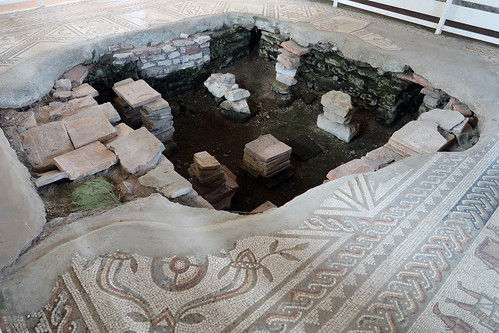
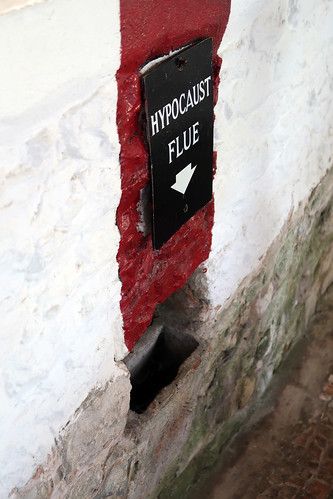
The existence of a Romano-British farmstead on the site by the end of the 1st century is indicated by finds,[1] but the earliest structural remains are of a simple timber farm structure dating to around 190 AD.[2] A four-roomed stone building was built in the middle of the 3rd century AD, and this was extended between c.240 and 290 AD by the addition of a few new rooms, a hypocaust, and a portico that faced east towards Stane Street. *
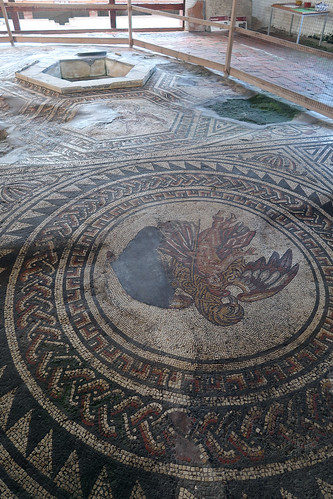

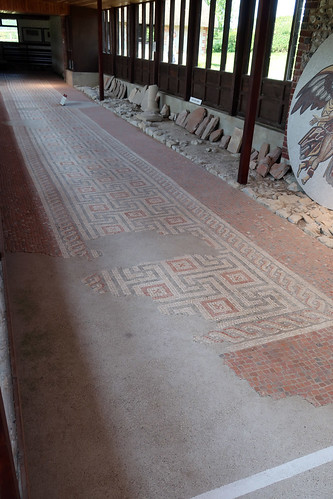
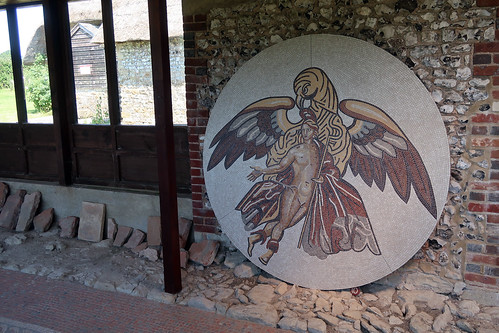
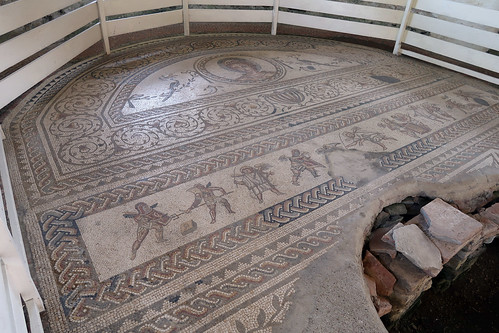
This building became the western wing when north and south wings were added at the turn of the fourth century.[2] In its final form, the villa consisted of some sixty-five rooms surrounding a courtyard, with a number of outlying farm buildings.[2] The latest phase of building involved additions to the north wing between c.300 and 350 AD, and it is here that most of the fine mosaics are located.
The later history of the villa is not well known, but it appears to have gradually declined in status,[2] rather than suffering a catastrophic fate, such as the fire that destroyed most of Fishbourne Palace.*
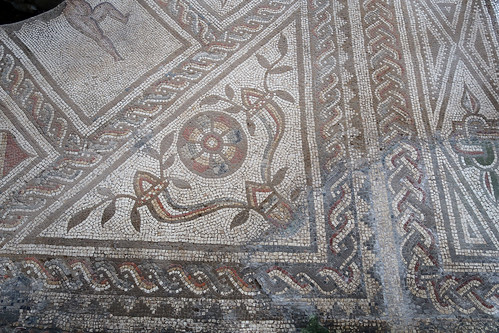
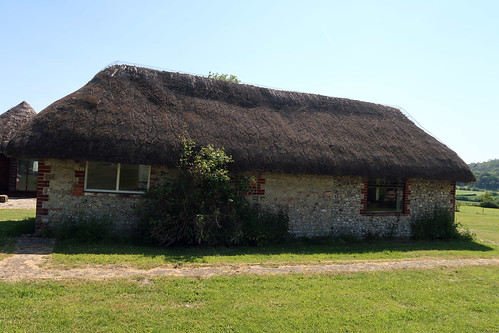

* Information from Wikipedia
Tags: Bignor Roman Villa, Vacation, West Sussex