On 5th November 1605 a York man, Guy Fawkes, was discovered about to ignite 36 barrels of gunpowder underneath the Houses of Parliament. His aim was to spark a Catholic revolution.
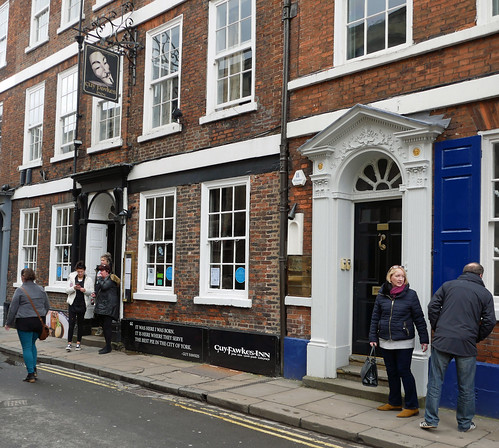
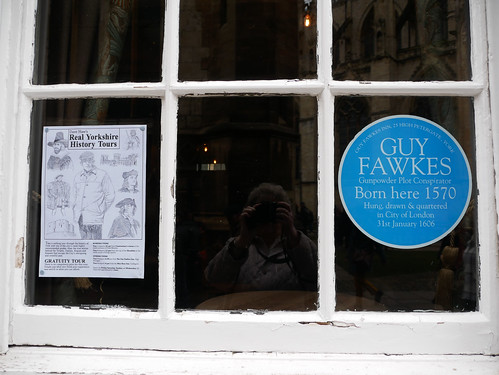
Fawkes was born in York in 1570, probably at a house in Stonegate. He was baptised in St Michael le Belfry church on April 13. His father Edward, a church lawyer and a prominent Protestant in the city, died when Guy was only eight years old.
His mother remarried, to a Catholic, and they moved to the village of Scotton, near Knaresborough. Fawkes’ schooling continued in York, at St Peter’s. His schoolmates included brothers John and Christopher Wright, who were later destined to join the gunpowder plot. Christopher, or ‘Kit’, was the same age as Guy Fawkes.
In the 1570’s and 80’s York was a centre of the Catholic resistance. About the time that Fawkes himself converted he would have been aware of a particularly brutal example of the religion’s suppression. In 1586 Margaret Clitherow was publicly executed for protecting Priests in her home.
As an adult Fawkes inherited property in York, at Gillygate and Clifton. But on his 21st birthday he sold his estate and enlisted in the Catholic Spanish army. He spent his next ten years fighting for Spain, becoming commander of a unit of soldiers and an expert in explosives. In Madrid Fawkes met up again with Kit Wright and they joined a group of conspirators, who together plotted to murder King James and replace him with a Catholic monarch.
The plan was audacious and brutal. The plotters hired a cellar under Parliament and smuggled in the barrels of gunpowder. Fawkes stood guard. It was his role to light the fuse, then head to Flanders to raise forces who would join in the Catholic uprising in England.
After his arrest Guy was tortured. His school-fellows, John and Kit Wright, died in November 1605 when they were caught with other conspirators at Holbeche House in Staffordshire.
Then, in January 1606, Guy Fawkes himself was put to death in Westminster by hanging, drawing and quartering. His remains were sent to the four corners of the Kingdom as a warning to other plotters.
4 Comments CherryPie on Jun 9th 2018
16 Comments CherryPie on Jun 6th 2018
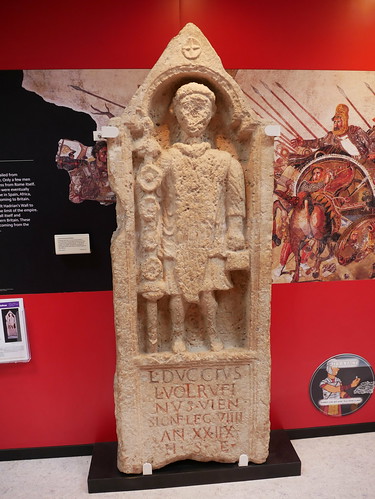
A 28 year old man, Lucius Duccius Rufinus, from Viennes in France died in Eboracum after a career as the standard bearer for the Ninth Legion. The soldier carrying the standard of the legion would have been a central target for the enemy.*
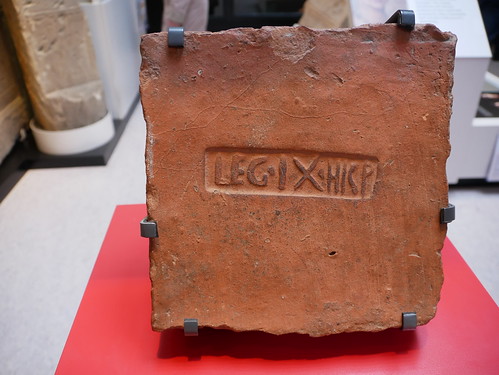
The army had its own specialist craftsmen. Tilers made floor and roof tiles stamped with the legion’s name and number. This one was fired in the legionary tilery next to the River Foss. Marked with LEG IX it was made by the Ninth Legion.*
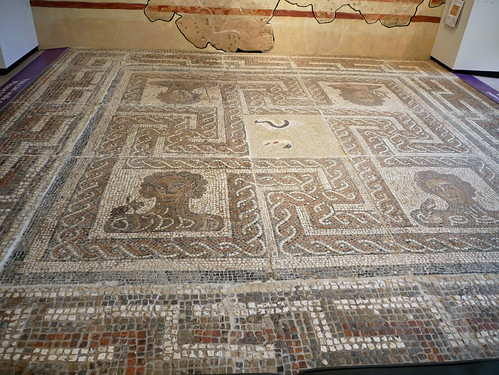
Greek-inspired patterns and the spirits of the seasons decorated the floor of a large Eboracum residence. Although many other mosaics were discovered on the floors of this grand house, only this one survives.*
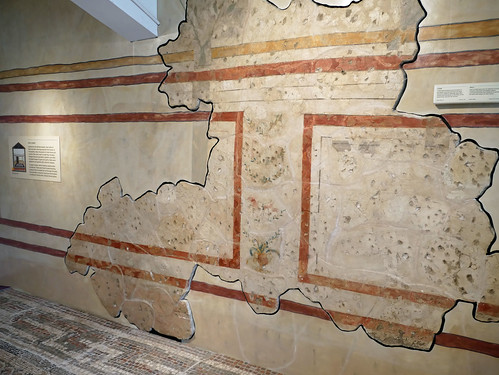
Even in small towns such as Catterick in North Yorkshire, influential artists and craftsmen provide the latest wall designs for their homes.*
* Information from sign boards next to the exhibits
6 Comments CherryPie on Jun 5th 2018
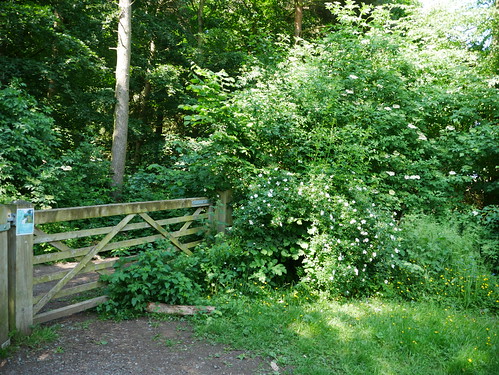
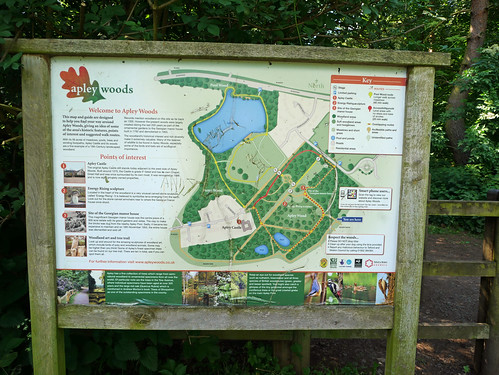
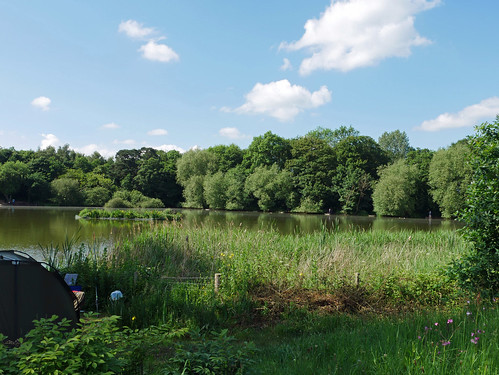
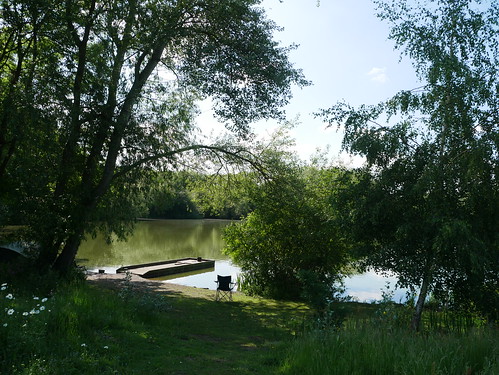
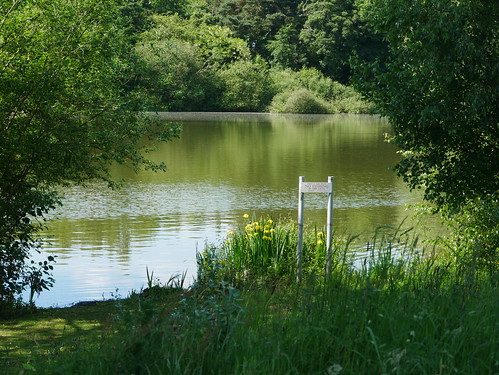
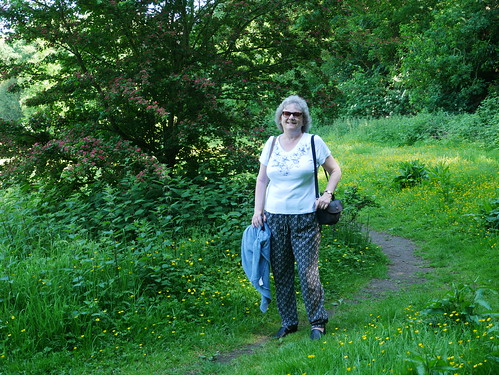
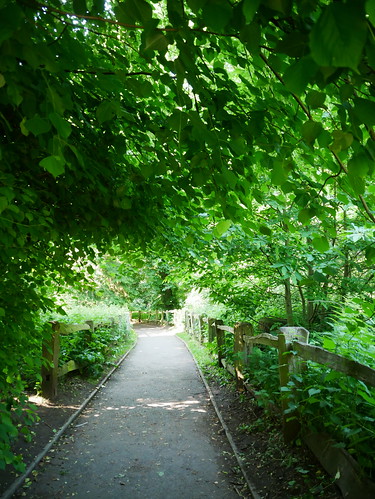
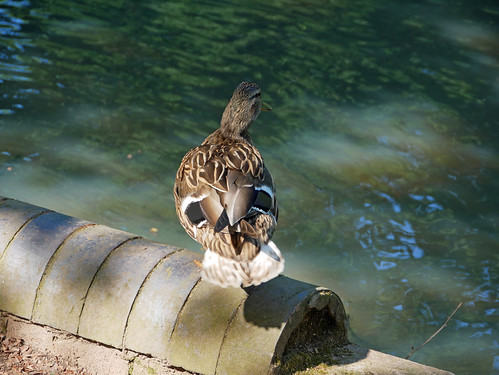
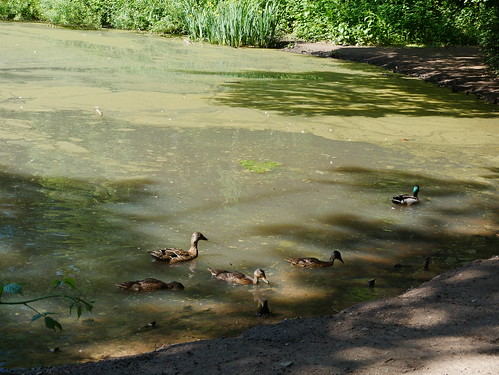
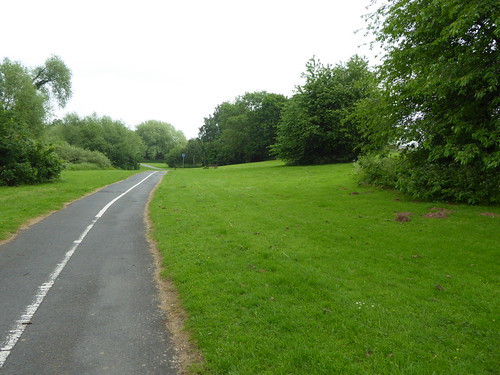
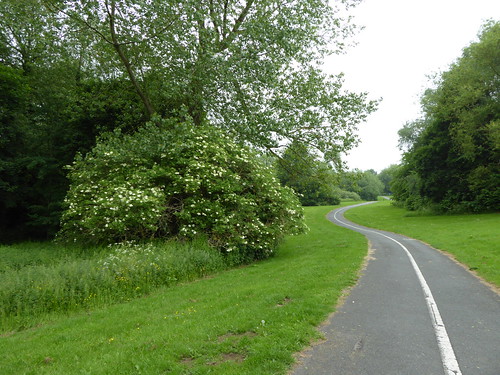
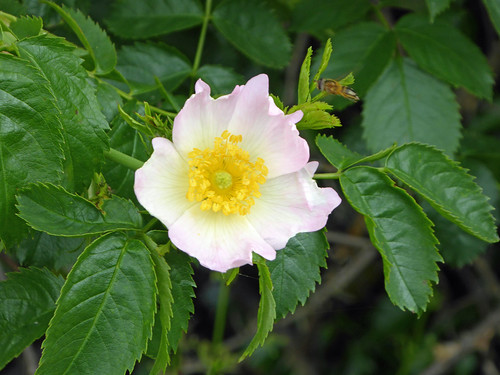
Due to my walking challenge, I have been so focused on walking that I have not got around to gathering my thoughts to post about the places that I visited in York. They will be coming soon, but for now I am sharing some photographs from another walk, this time in Apley Woods.
After a little persuasion Mr C joined me for a short Sunday afternoon stroll in the sunshine.
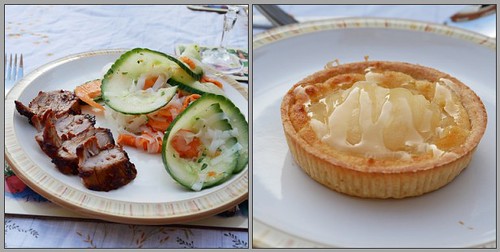
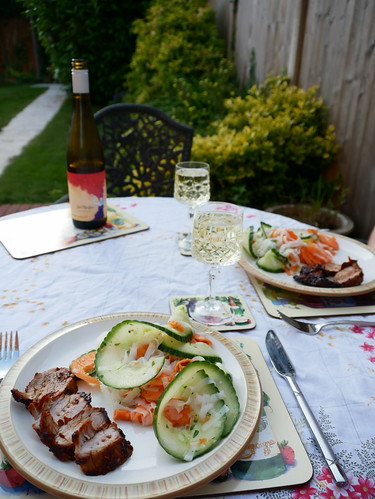
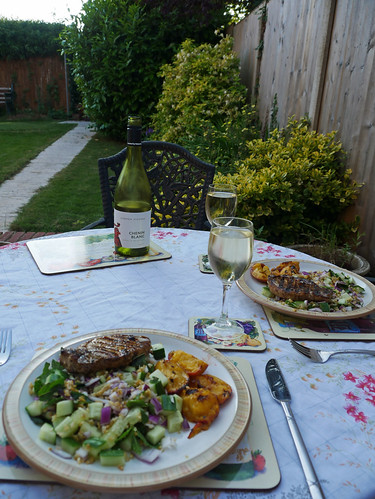
Later in the day we enjoyed fine dining on the patio.
8 Comments CherryPie on Jun 4th 2018
Leave home in the sunshine:
Dance by a meadow -
Or sit by a stream and just be.
The lilt of the water will gather your worries and carry them down to the sea.
J Donald Walters
4 Comments CherryPie on Jun 4th 2018
For various reasons I was feeling a little out of sorts when I woke up this morning. It took me a little while to get my head in gear to go for a walk.
Stepping out from my house I chose to explore a new walking route. I need to give this route more time to explore further. Maybe I just need to drive and park closer to the Nature Reserve so that I can spend more time there rather than more time walking to it.
The last few photographs were taken closer to home.
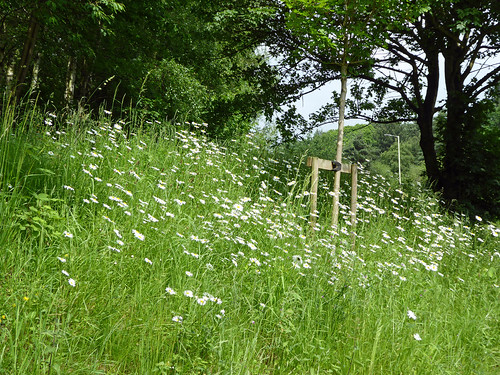
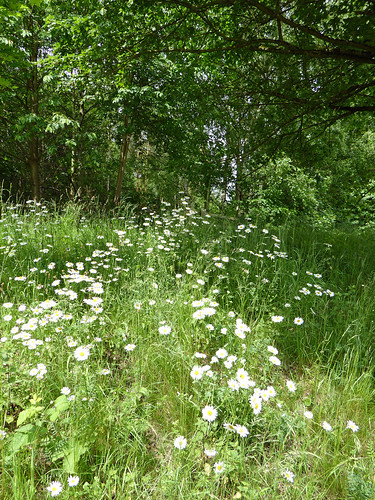
As I was photographing the daisies a man cycled passed me and exclaimed wow!! He had paused to see what I was photographing and was surprised to see the view that I saw. I must have looked a little odd standing next to a busy road taking a photograph.
4 Comments CherryPie on Jun 1st 2018
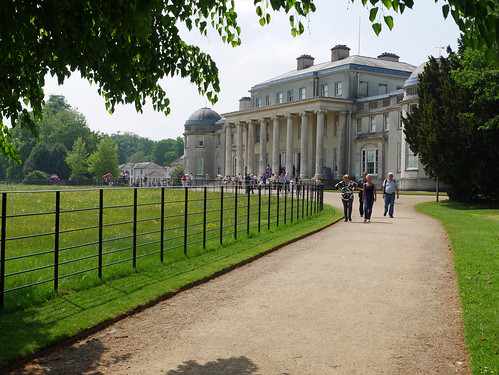
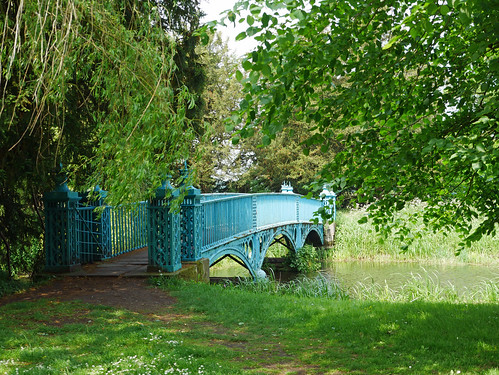
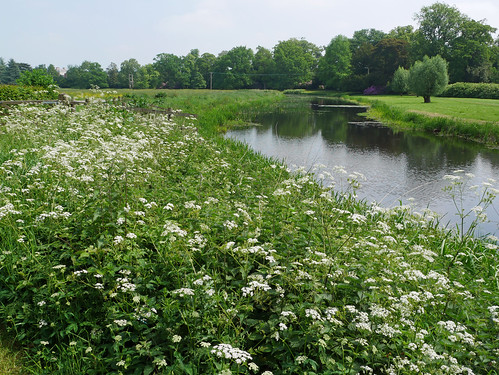
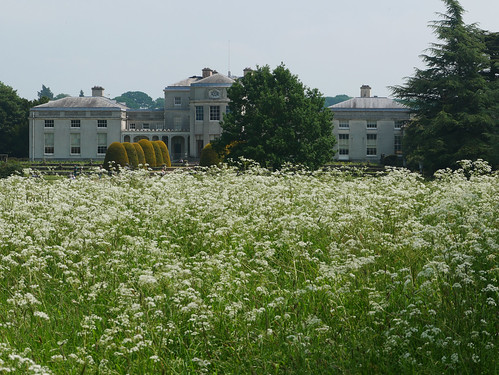
After the weekend storms, bank holiday monday turned out bright and beautiful so we headed of to the Shugborough Estate. It was our first visit since the National Trust had taken over all of the estate after Staffordshire County Council surrendered the lease with the National Trust.
The context of the house and estate are being reinterpreted to highlight previous owners of the estate in their place in history. The late Lord Lichfield’s apartments are now fully open by timed ticket. We didn’t get to see these on this occasion, we weren’t offered them as we should have been when we arrived at the entrance to the estate. As the day was so beautiful and sunny we decided not to pursue the matter when we were informed of this as we entered the mansion.
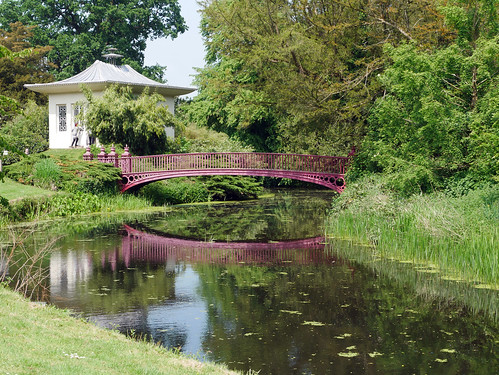
We were pleasantly surprised to find that the gate on the blue bridge barring access to the wider estate had been removed. This allowed us to follow an enjoyable walk that led to the red bridge and the Chinese Pavilion.
8 Comments CherryPie on May 29th 2018