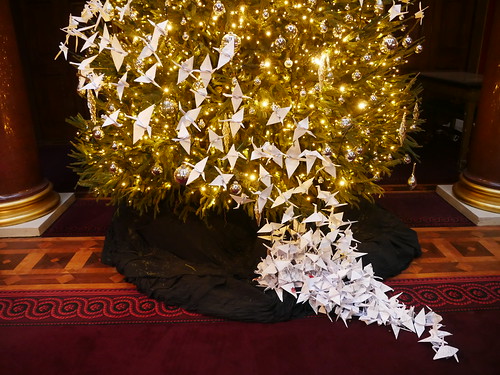
Inspired by the wartime story of Sadako Sasaki, Attingham park decorated their Picture Gallery tree this year with origami cranes to symbolise peace and hope.
In Japanese folklore, cranes have a special significance and are said to live for 1,000 years. A legend promises that anybody who fold 1,000 paper cranes will be granted a wish.
Sadako Sasaki was a young girl in Japan who was exposed to radiation after an atomic bomb was dropped on Hiroshima in 1945. She developed Leukaemia and when is hospital began folding paper cranes, trying to reach 1,000 so that her wish could e granted. She wished for peace and a world without nuclear weapons.
Every year at the Children’s Peace Monument in Hiroshima, schoolchildren leave their own origami cranes in memory of Sadako and the thousands of children who were victims of the atomic bomb.*
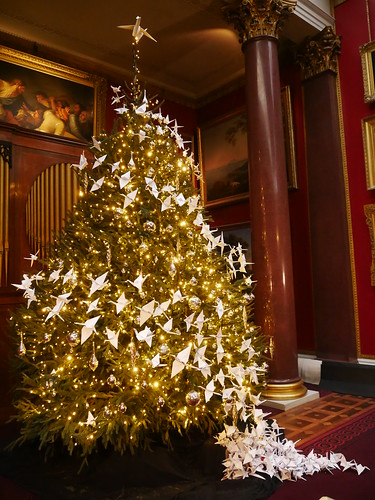
*from an information board next to the tree
Tags: Attingham Park, Christmas, Cranes, National Trust, Peace, Tree
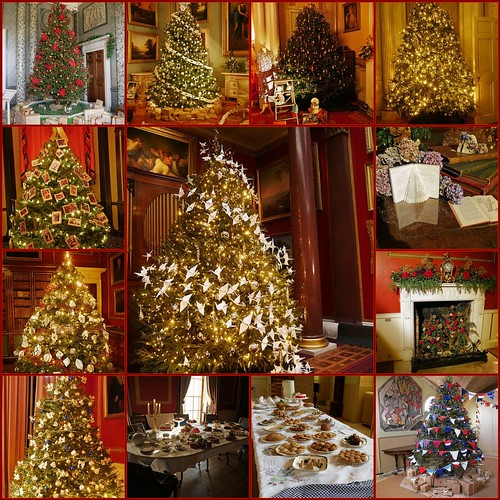
The 1940s was a decade of much change for the Berwick’s of Attingham, and also in the outside world with the ongoing impact of World War II until 1945, and in the years after.
The Christmases of the 1940s, celebrated at Attingham were not opulent. The impact of World War II nationally and locally in this quiet area of Shropshire was being felt. Despite this, Thomas (until his death in 1947) and Teresa always tried to ensure there were celebrations to look forward to for estate workers, tenants and friends.
Each ground floor room was decorated with an individual theme and music from the 1940s was playing in the background. From a music theme in the Drawing Room, to photographs and papers from the 1940s in the Octagon Room, Attingham’s stories and the way Christmas was celebrated more widely in the 1940s came to life within the Mansion rooms.
Click on the links below to view the uncropped full size photographs:
1. Peace on Earth, 2. Entrance Hall, 3. Music Room, 4. Traditional, 5. Crystal Delight, 6. Memories, 7. Instructions, 8. Home Made, 9. Cosy Fireplace, 10. Time for Tea, 11. Tea Time Spread, 12. Kitchen Table, 13. Kitchen Decorations
Tags: 1940s Christmas, Attingham Park, Christmas, National Trust, Technology
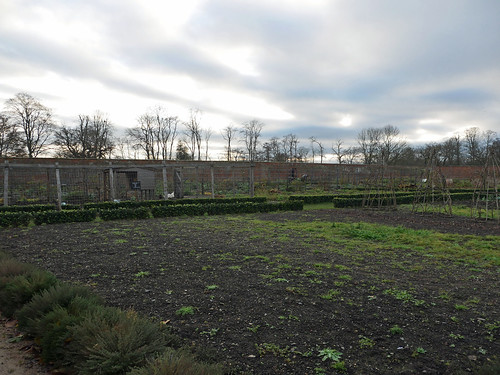
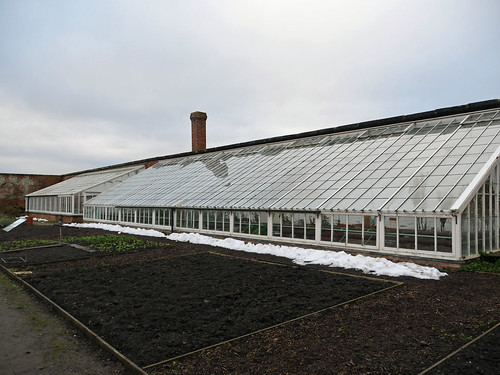
Today, I lunched at Attingham Park with a friend. It is the perfect time of year to visit, the ground floor of the house is decked out for a 1940’s Christmas. After lunch and a tour of the house we walked to the walled garden. Located in the walled garden is the Bothy, I took a look inside to see how that was decorated. On opening the door I noticed Scrap sitting in prime position on one of the chairs. I have shown a photograph of Scrap before, she was born in the lean-to shed at the back of the walled garden.
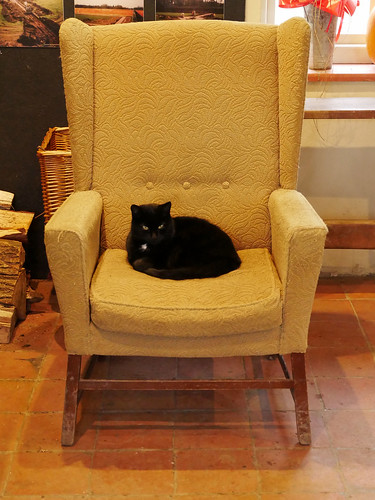
She eyed me up as I walked in before settling down to curl up and fall asleep.
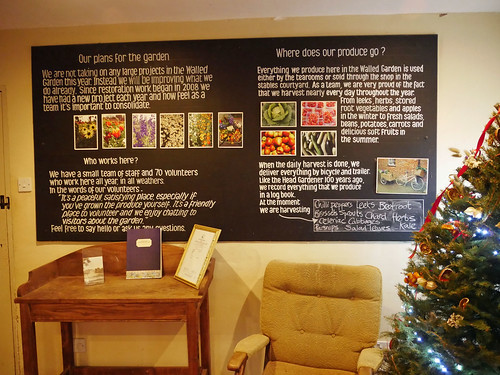
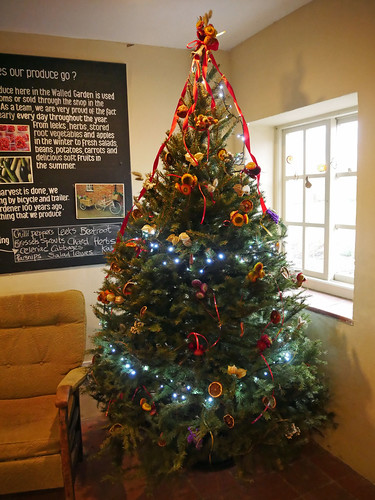
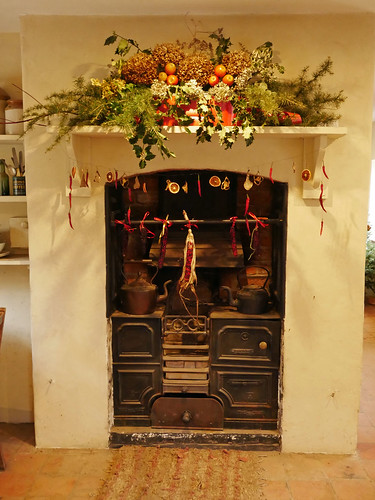
You will have to wait until tomorrow for the mansion’s 1940’s Christmas decorations.
Tags: Attingham Park, Cat, National Trust, The Bothy
It is the spirit that gives life, the flesh is of no avail; the words that I have spoken to you are spirit and life.
John 6:63 (RSV)
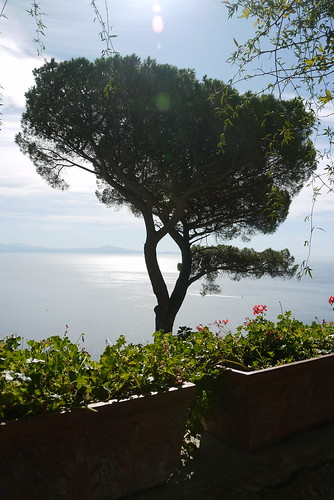
Tags: Cherie's Place Thought, Ravello, Rufolo Garden, Villa Rufolo
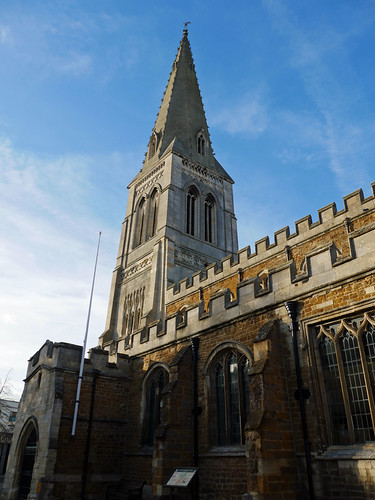
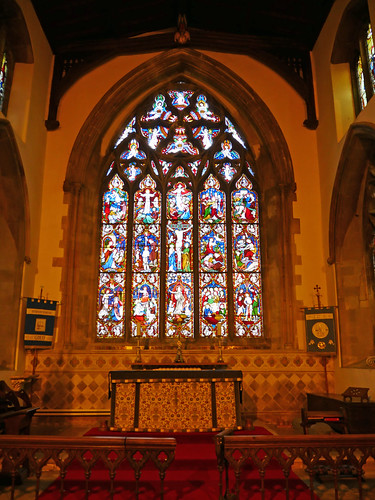
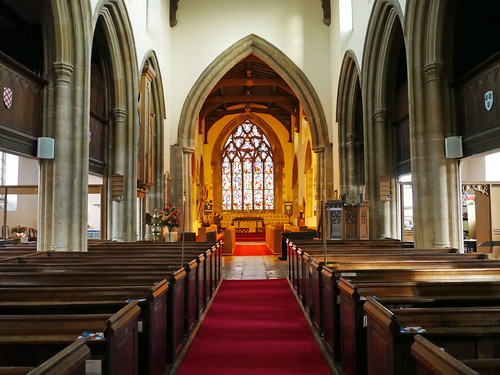
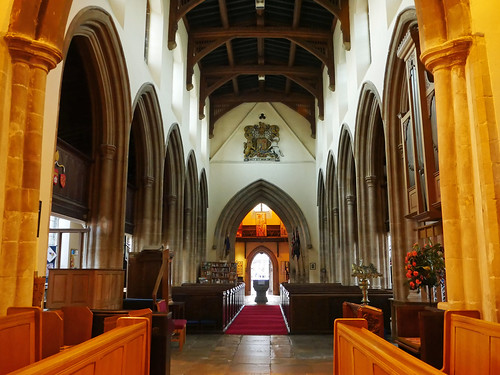
The parish church of St Dionysius, begun around 1300 as a chapelry of Great Bowden, was planned to be very much part of the townscape, with a central position in its own square, opening out directly onto the street with no space for a churchyard. It was intended to be sight worthy of its setting, and few would deny the success of this scheme. Its fine tower and broach spire rising to 154 feet dominate the landscape and have done so for 700 years.*
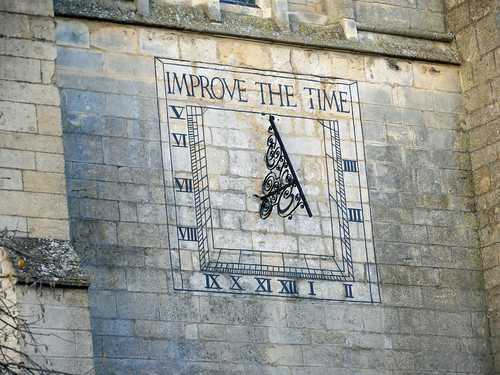
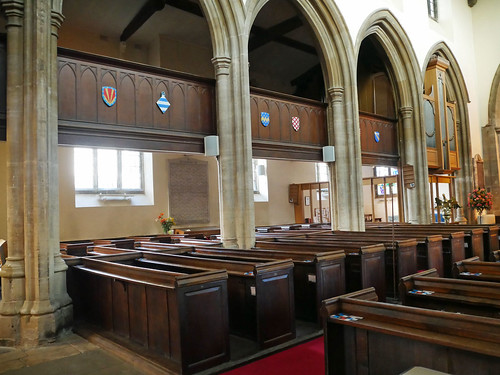
[St Dionysius] Parish Church originally built as a Chapel of St Mary in Arden (qv) during the earlier part of the C13. Architectural features of present church mainly C14 and C15. The town is dominated by the early C14 grey ashlar tower with its fine crocketed brooch spire. Rest of church in coursed sandstone rubble with crenellated parapet. Buttresses. Nave and Chancel with Clerestory windows, Aisles and North and South Porches. Crocketed cross as finial at east end of both Nave and Chancel. South face of tower has large sundial. Inside, galleries of 1836 remain. Fine achievement of Royal Arms of 1660 at West end. Good C15 timber roof was restored, in same style, in 1954. Fragments of medieval wall painting discovered in 1959 at east end of North Aisle. The Church of St Dionysius is a prominent feature of many near and distant views of the town.
*Market Harborough Parish Church – St Dyonisus A Brief History by Geoffrey K. Brandwood and David Johnson.
Tags: Market Harborough, Parish Church, St Dyonisius, Weekend away