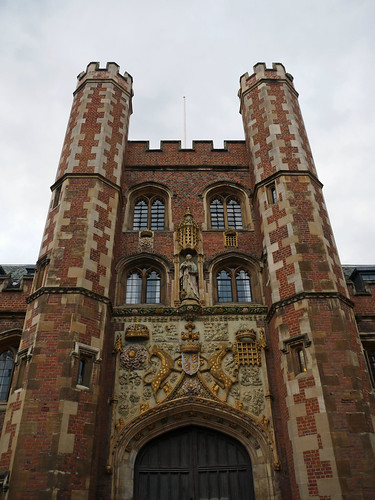
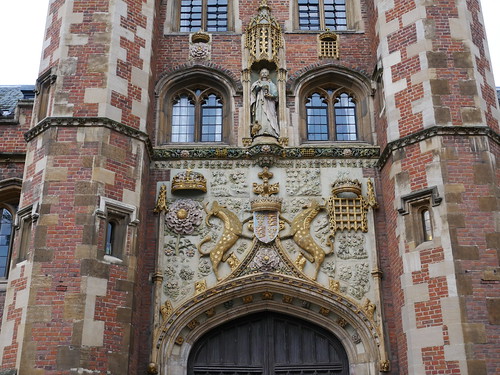
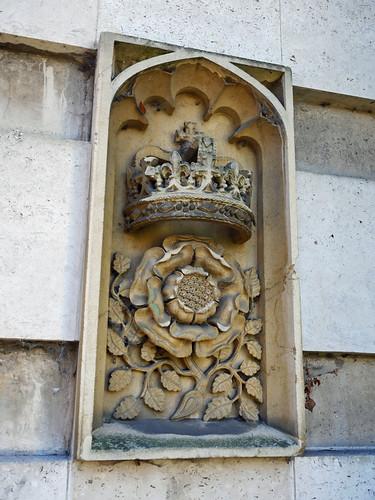
St John’s distinctive Great Gate follows the standard contemporary pattern employed previously at Christ’s College and Queens’ College. The gatehouse is crenelated and adorned with the arms of the foundress Lady Margaret Beaufort. Above these are displayed her ensigns, the Red Rose of Lancaster and Portcullis. The college arms are flanked by curious creatures known as yales, mythical beasts with elephants’ tails, antelopes’ bodies, goats’ heads, and swivelling horns. Above them is a tabernacle containing a socle figure of St John the Evangelist, an Eagle at his feet and symbolic, poisoned chalice in his hands. The fan vaulting above is contemporary with tower, and may have been designed by William Swayne, a master mason of King’s College Chapel.
Tags: Cambridge, St John's College, The Great Gate, University, Weekend away
In Christ there is no Jew or Greek, no slave or free, no male or female, for all of you are one in Christ.
Galatians 3:28
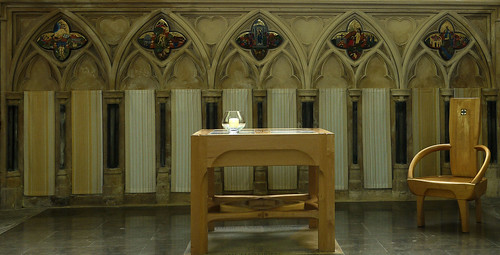
I was inspired to post the above thought when it was quoted on an inspirational blog that I regularly read . I wondered what photograph I would use to go with the quote and I was directed (in my mind) to click on a folder and this image was the first photo in the folder.
I searched the Bishop’s Palace website to view details of the chapel and altar.
The page about the chapel revealed an additional quote that connects and chimes with the quote I was inspired with…
The new altar, made of maple and Ancaster stone, was designed by David John and made by Richard Richardson. The altar stands above engraved stone work by John Rowlands Pritchard, with the text, ‘God was in Christ reconciling the world to himself; and has given us the ministry of reconciliation’. (2 Corinthians 5:18).
The things that I refer to as ‘my strange coincidences’ are at work again…
Tags: Cherie's Place Thought, Christ, God, Jesus, Teachings, The Bishop's Chapel, Wells
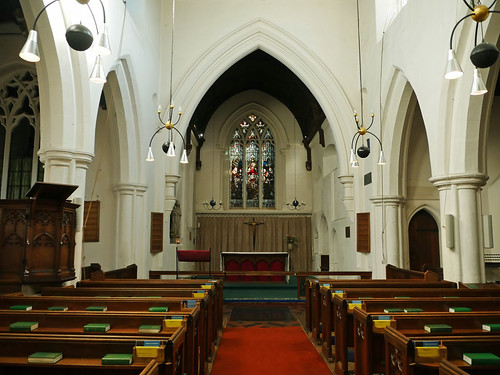
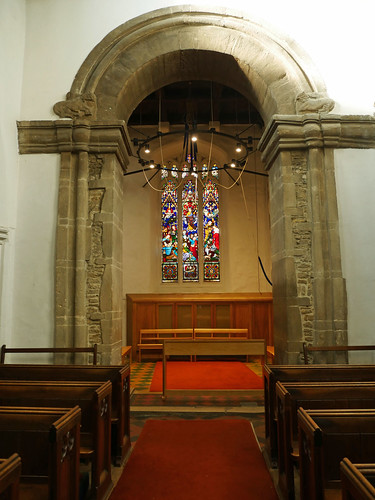
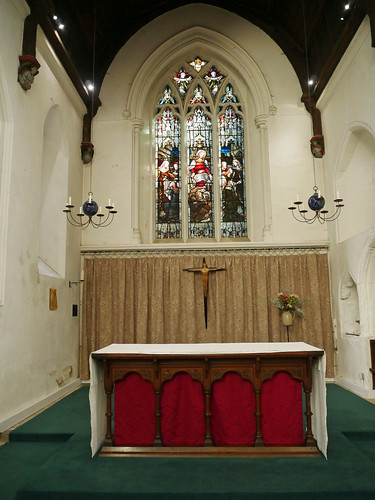
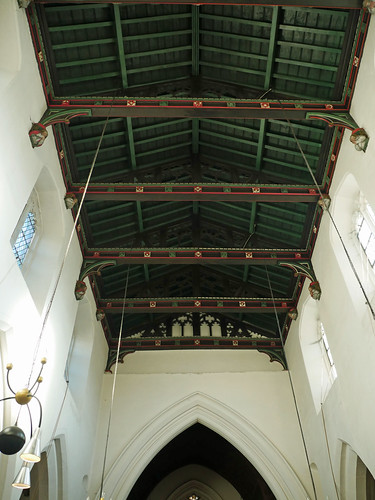
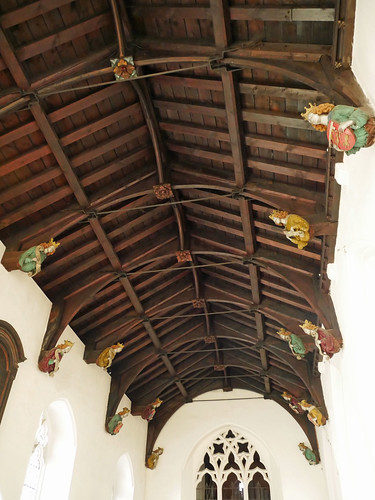
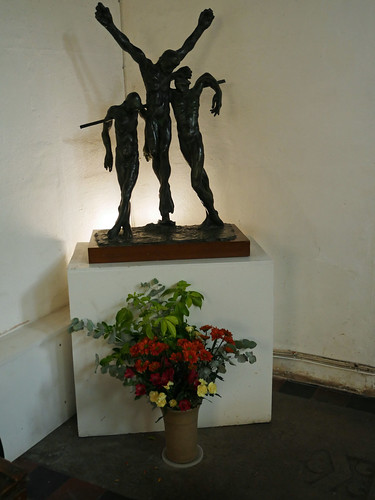
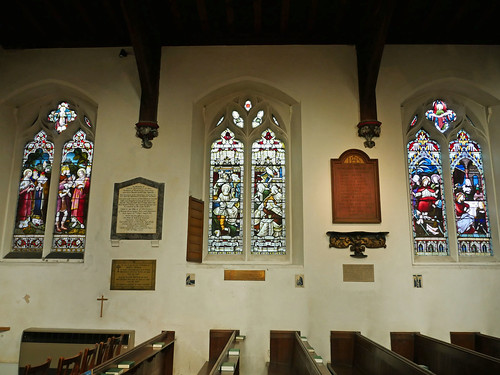
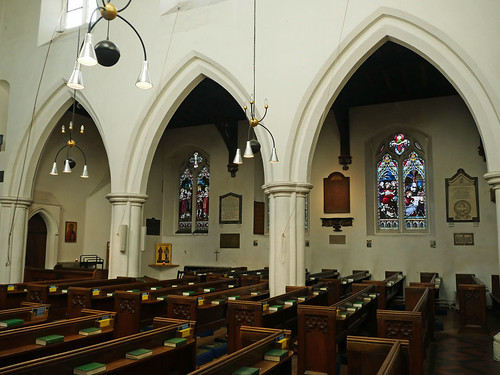
This ancient parish church is an Anglo-Saxon foundation dating from around 1020, when Canute was King of England. It is dedicated to St Benedict and has been a place of Christian worship for nearly a thousand years. Michael Ramsey, who was to become Archbishop of Canterbury, was vicar here in 1938. The church was staffed from 1945 and 2005 by the society of St Francis, who established the pattern of daily worship following monastic practice.*
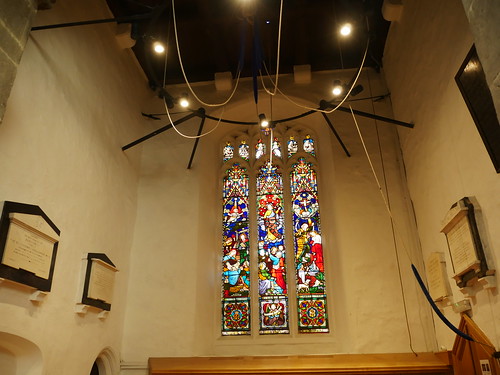
For many years St Bene’t’s has been firmly linked with the history of change-ringing, as the famous 17th-century campanologist, Fabian Stedman, is believed to have been the parish clerk here. However, this has been somewhat shaken by the discovery that Stedman appears to have been in London at the same time, suggesting that St Bene’t’s Stedman might be a coincidence rather than the same man**
*From a church leaflet
**From 111 Places in Cambridge that you shouldn’t miss
Tags: Cambridge, Church, St Bene't's Church, Weekend away
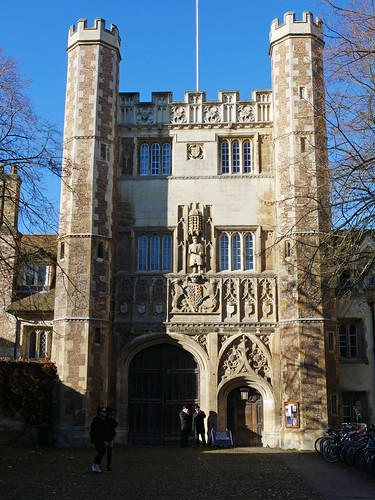
The largest Oxbridge college, Trinity was founded by Henry VIII just weeks before he died. His Statue on the Great Gate clutches a chair leg, which he has held for more than 100 years, since students swapped it for the original sceptre. *
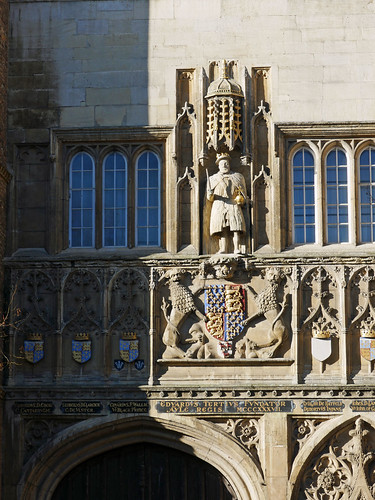
*From the Pitkin City guide to Cambridge
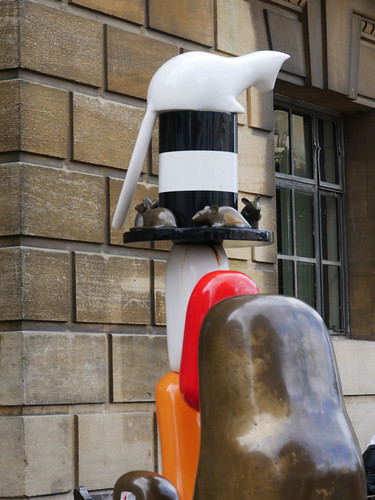
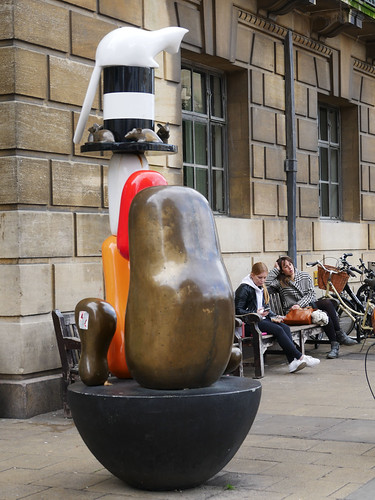
Snowy Farr lived in Oakington and was a well known fundraiser for blind charities.
When Snowy retired he decided he wanted to help raise money for charity, so he stood on Market Hill collecting with his flowing white beard and dressed himself in a antique military uniform with an eccentric looking stripped top hat.
He became a instant success and decided to carry on doing more fundraising, but started to bring some friends with him which included a cat and some white mice.
As the years went by his companions grew to include a cockerel, a duck, pigeons, rabbits, guinea pigs and a goat.
Snowy trained his cat to sit on the top of his hat and the mice would run around the rim.
Tags: Cambridge, Snowy Farr Statue, weekend Break
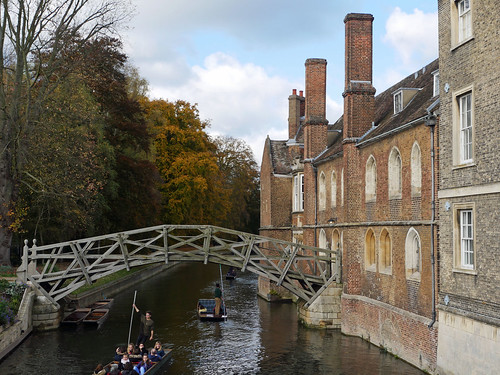
One of the most recognisable structures on the Cam, Queens’ College bridge was originally built in 1749 by James Essex the Younger. Since then it has been rebuilt twice to the original design of William Etheridge, once in 1866 and again in 1905. In 1866 the bridge deck was changed from a stepped design to the current sloped deck. In 1905 a complete rebuild of the bridge was required due to weathering of the original oak structure.
William Etheridge’s design was based on work by James King on what has become known as tangent and radial trussing. Originally used to create the temporary formwork used in the construction of London Bridge, the arch describes an arc of a circle. The main members lie tangent to this circle and their arrangement is designed to ensure they are in compression only with very little bending moment. The connections between these main members transfer compressive stresses. The radial members are fixed normal to the circle of the arch and they support the top rail as well as making the bridge lattice into a more rigid structure. The bridge deck is then attached to the bottom of the radials near the intersection of two tangents.
A much admired footbridge across the River Cam, connecting the old and new parts of Queens’ College in Cambridge. Constructed of timbers bolted together, it appears to be an arched bridge but is composed of straight segments. It was rebuilt most-recently in 1905 and remains in use.
The Mathematical Bridge is a rare survivor of 18th century tangent and radial trussing techniques. It became a Grade II listed structure in April 1950, despite only being a replica.
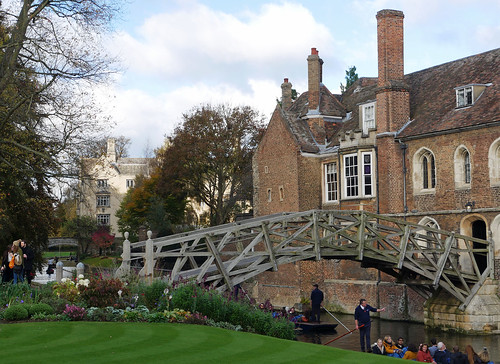
Tags: Cambridge, Mathematical Bridge, Queens' College, River Cam, Weekend away
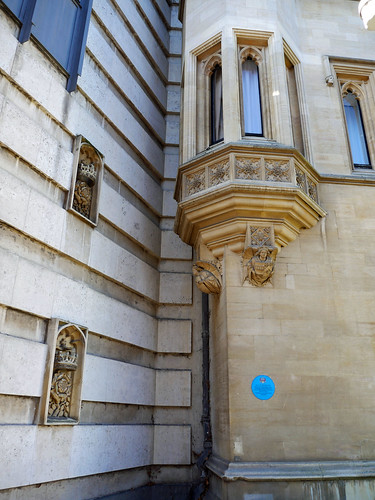
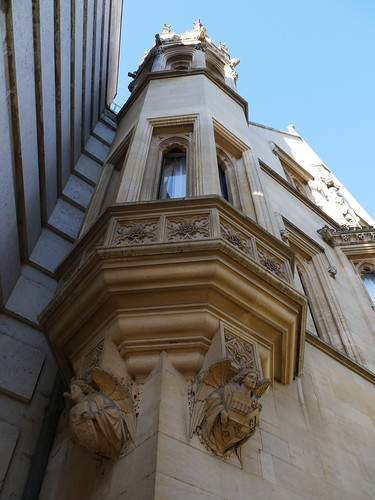
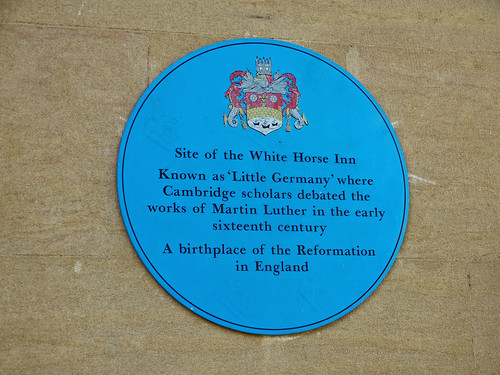
Known as ‘Little Germany’ where Cambridge scholars debated the works of Martin Luther in the Early sixteenth century.
A birthplace of the reformation in England.
Tags: Cambridge, Christianity, Reformation, Weekend away