Moseley Old Hall

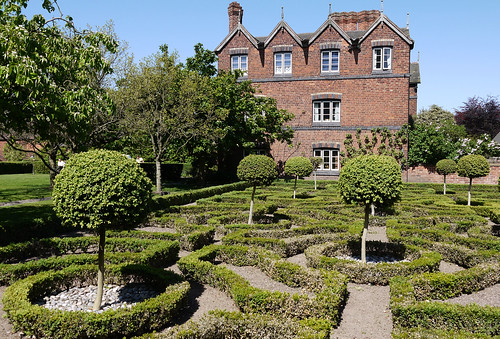
For two days, in September 1651, the destiny of Britain was decided within the walls of Moseley Old Hall.

In January 1649 Charles I had been executed in Whitehall, the monarchy had been abolished and the country declared a Commonwealth. The hopes of the Royalist Cause now rested on the shoulders of his eighteen-year-old son, Charles II, who was in exile in France. In the late summer of 1651 Charles marched south from Scotland with an army of 16,000 men in a final effort to reclaim the throne. But on 3 September outside Worcester his army was annihilated, and for the next 41 days he was on the run, with a price of £1000 on his head.*
Moseley Old Hall

Early on the morning of 8 September the bedraggled figure of the King arrived at the back door of Moseley Old Hall. He had had no sleep and little to eat since the day of the battle. He was disguised in rough woodsman’s clothes with ill-fitting shoes that made his feet bleed. He was cold, wet and desperate. Standing waiting to greet him were the owner of the house, Thomas Whitgreave, and his priest, Father Huddleston.

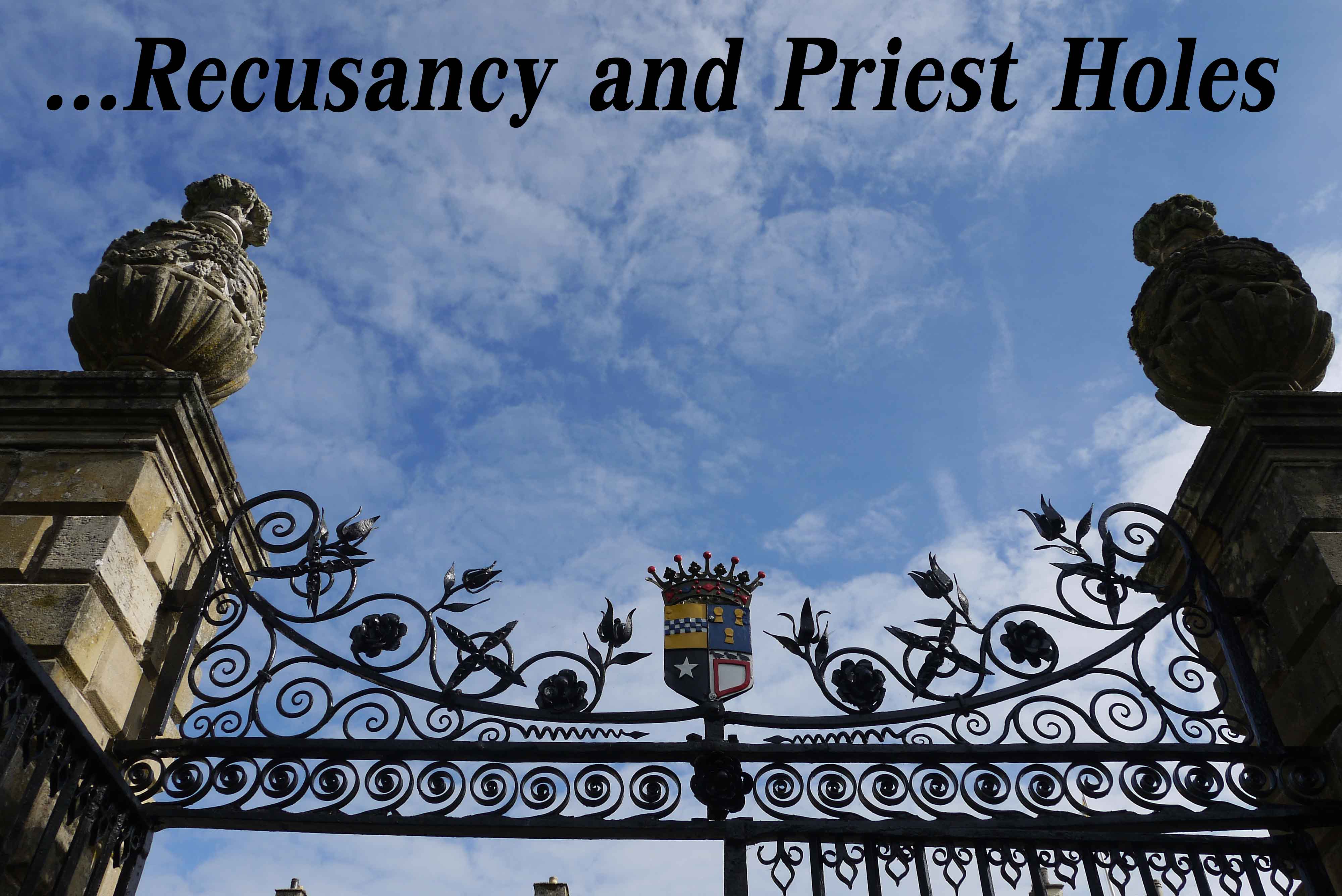
Like many in this area of Staffordshire, Whitgreave was a Catholic, and his mother Alice, who was also in the house, had suffered heavy fines for their faith from the Parliamentary authorities. They welcomed the King inside, gave him dry clothes and food, and found him a safe hiding place in one of Moseley’s ‘priest’s holes’. Here he crouched the following afternoon, while Whitgreave confronted a Parliamentary search party in the road outside.*
Untitled

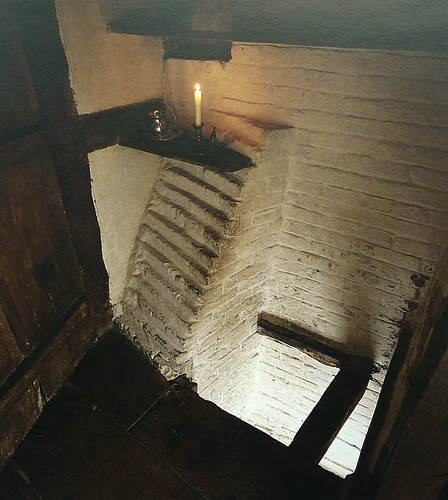
The priest hole was hidden beneath a cupboard which was either a garderobe of a wardrobe.

In the floor of the cupboard is a trap-door concealing the hiding place below, some 4ft 6in by 5ft and only 4ft high, a cramped space in which Charles, who is believed to have been ‘over two yards high’, spent an uncomfortable time when Parliamentarian soldiers came to the house. Whitgreave tells us that, after being presented to the King in his room, Charles asked him ‘where is the secret place my lord [Wilmot] tells me of?’ On being shown the hide, he entered it ‘and when came forth, said itt was the best place hee was ever in’.*

Having devised a practical plan of escape Charles left the house two days later.
Moseley Old Hall

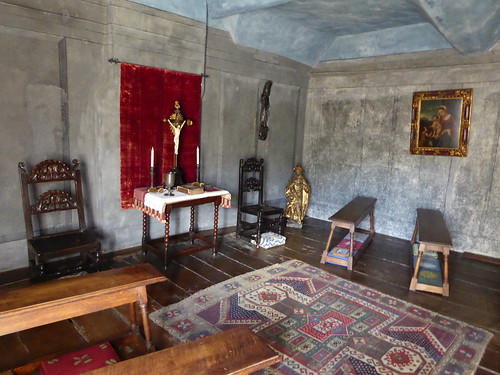
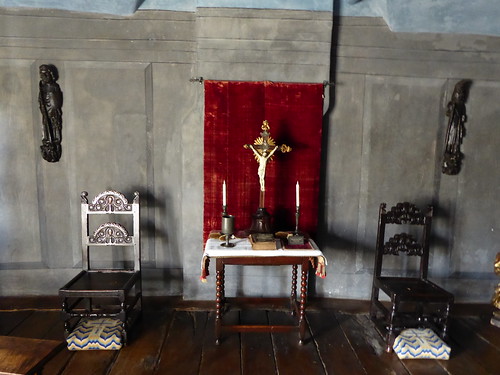
As well as a priest hole the house had a chapel in one of the upper rooms of the house.

John Huddleston took the King up to see the Chapel during his stay at Moseley. Charles described it as a ‘very decent place’ and told Huddleston that if he ever regained his throne, Catholics would no longer have to worship in secret. Charles married a Catholic, but as part of his efforts to reconcile the anti-Catholic majority, professed a moderate Anglican faith, unlike his openly Catholic brother, James, who was driven from the throne in 1688 because of his religion.

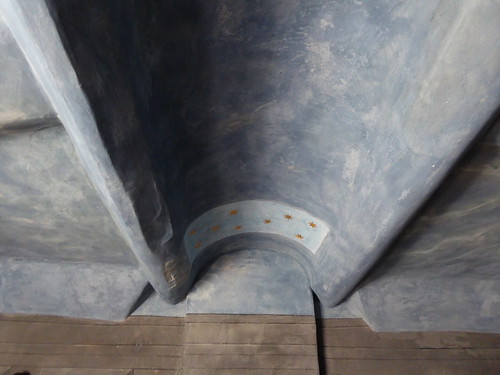
The Chapel, or more properly the Oratory, did not look as it does now when Charles saw it in 1651. The roof was open to the rafters, and is said by tradition to have once contained a secret hiding place, although there is no evidence of it. The barrel-vaulted ceiling was added following the Relieving act of 1791, which allowed Catholics greater freedom of worship.*
Moseley Old Hall

Moseley Old Hall

*From the National Trust guide book to Moseley Old Hall 1997 revised 2000. The photo of the priest hole was also taken from the same guide book (all other photos are my own as usual).
14 Comments CherryPie on Aug 12th 2017

Chicken Cordon Bleu

This year I have found that our summer months resembled autumn rather than summer. In the few weeks since I have retired from my career there have only been a few occasions when it has been sunny enough to sit outside in my garden. It hasn’t even been sunny enough for me to be inspired to go out on a day trip. Day trips in the rain are only fun if you have a companion to share them with! Despite the weather I have been enjoying myself doing different things than I had planned to do.

Today the sunshine played hide and seek. In the morning as I was choosing meal options for the next couple of days I heard gentle tweeting in the back garden. The sun had come out and a family of long tailed tits and a couple of blue tits were flying around my garden and settling in the trees that surround it.  I watched them for a while until a magpie arrived and scared them off. Shortly after that the sun was once again obscured by clouds.

Later in the afternoon the sun came out again and I seized the opportunity to sit at the top of my garden reading a book before it was time for me to go out to my regular thursday meeting.

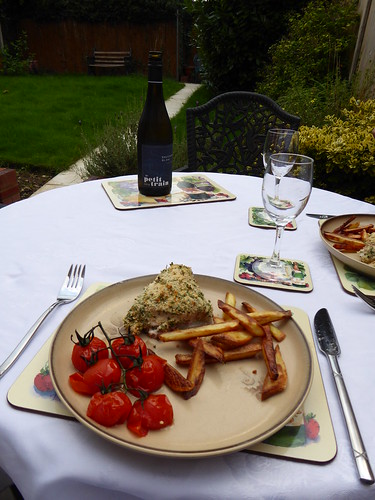
When I arrived home, the sun was still playing its tricks would it shine so that Mr C and I could enjoy dinner on the patio. The sun decided to be kind to us :-)

Dusk

10 Comments CherryPie on Aug 10th 2017

A Mystery Explained…

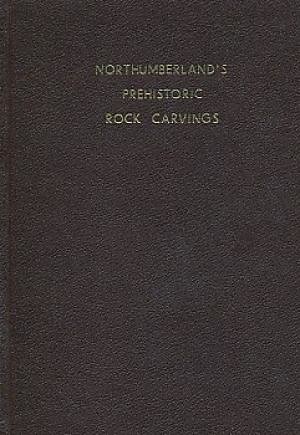
Northumberland's Prehistoric Rock Art

Synopsis: (from  book preface by The Duke of Northumberland 1983)

It is approximately 4000 years ago that our remote ancestors, who are sometimes known as the ‘Beaker People’ because of the distinctively decorated cinerary urns they fashioned to contain ashes of the dead, incised markings on the sandstone rocks of Northumberland, which are generally but not always associated with burial sites.

It is these markings so similar yet varied in form, and the identification of the places where they may be found with which this interesting book details.

The book brings together not only the results of a long tradition of research in which my predecessors took great interest but also in the personal observations of the author who has devoted many years to the discovery of new examples and the careful assessment of sites and individual stones already recorded.

It is therefore a definitive work and has a great deal to contribute to the international study of rock carvings.

The title refers to ‘a mystery explained’, The mystery is certainly well explained but as the author states it is not solved and there in part lies the fascination of the subject. Clearly the form of the markings is symbolic rather than decorative but the question remains – symbolic of what?

Review:

The book is a comprehensive study of the rock art in Northumberland. The types of carvings on the rock and types of locations are explained followed by detailed descriptions of the rocks and where they can be found. The text is accompanied by black and white photographs of the stones and diagrams of the carvings. I found the book a fascinating read especially as, despite trying, I failed miserably to locate any of the stones on my most recent visit to Northumberland.

2 Comments CherryPie on Aug 9th 2017

Croome Park

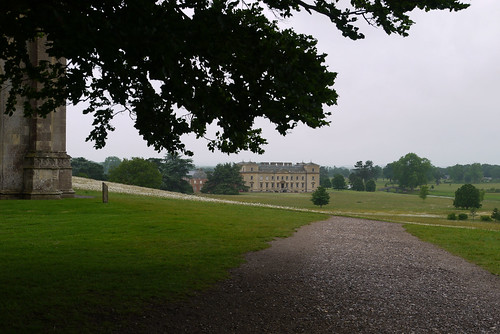
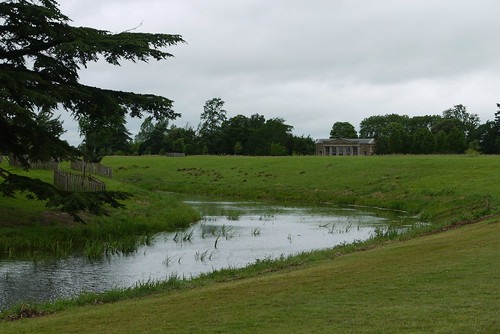
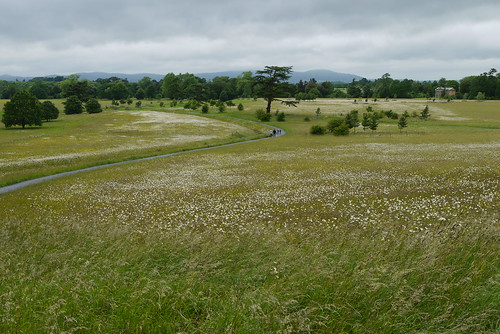
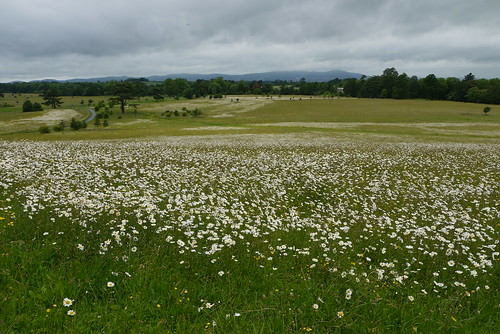
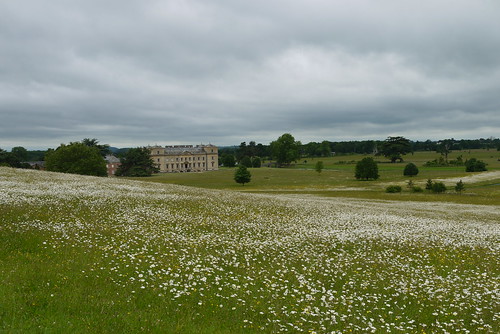
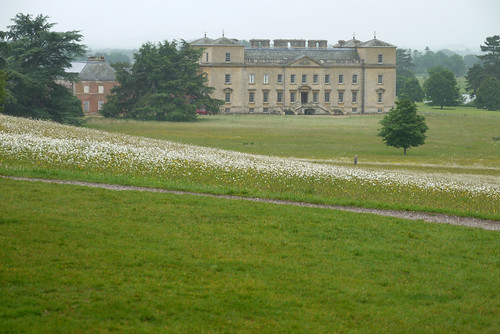
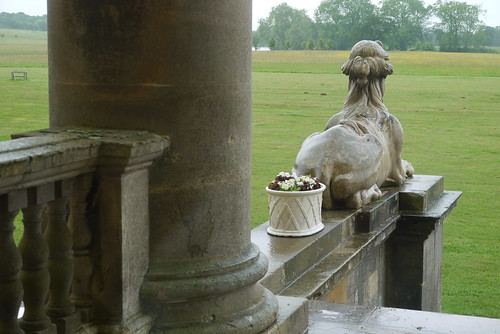
The Landscape at Croome was not made as an afterthought. House and garden here form an integrated design. The park may be in the naturalistic style, based partly on the landscape paintings of Claude Gellee ‘le Lorraine’ and Nicolas Poussin and partly on ‘Capability’ Brown’s native Northumberland scenery, replacing the formal patterns of earlier periods, but every element in it is in fact orchestrated. The house and the lake, the follies, temples and statues, the parkland and the river are all carefully arranged in relation to each other.*

Croome Park

Croome Park

Croome Park

Croome Park

Croome Park

*From the Croome guide book

10 Comments CherryPie on Aug 8th 2017

Commodes

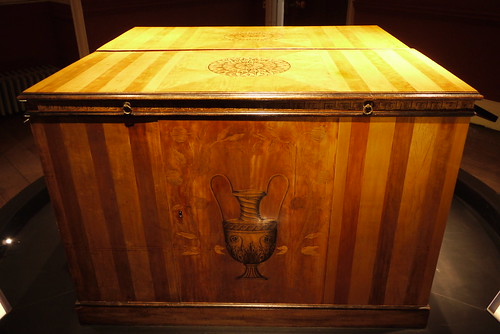
A signboard next to these carefully crafted and decorated wooden objects informs that they are a pair of commodes:

The name is taken from the French word for a chest of drawers. They were introduced during the reign of King Louis XIV (1638-1715) and the style was adopted in the mid-1700s when French fashions became popular in Britain.

The term usually describes cupboards with curved or ’serpentine’ fronts, supported by legs. In this case the shape is a very plain rectangular chest with all the emphasis being on its elegant decoration.

Commodes were used on the principle floor of a house, either in the main reception rooms or in bedrooms and dressing rooms.

Many commodes were not functional at all but simply a means of showing off the decorative skill of the maker and they sometimes formed part of a decorative scheme for a complete interior.

This pair was functional and designed for use in a bedroom to store clothes. One of the interiors is fitted with shelves and the other with sliding drawers. The top has a narrow shelf which could be slid out, traditionally for use as a flat surface for brushing clothes.

Commodes

14 Comments CherryPie on Aug 7th 2017

Depth of friendship does not depend on length of acquaintance.

Rabindranath Tagore

Sunny Glow

10 Comments CherryPie on Aug 6th 2017

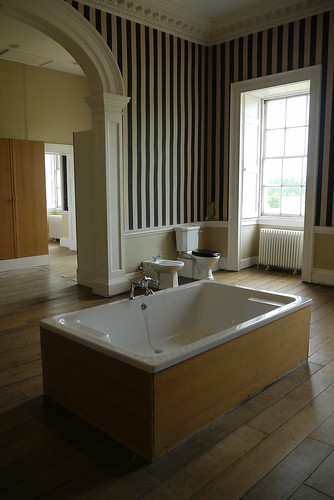
Croome Court

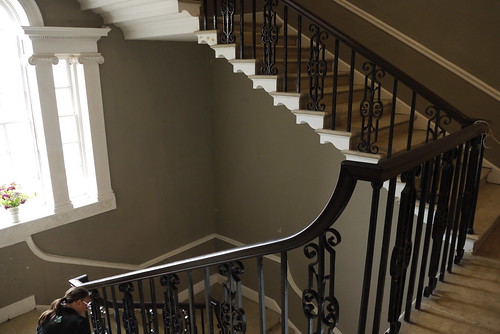
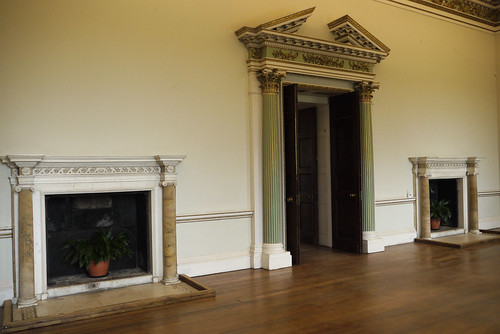
After Croome Court passed out of the hands of the Coventry family it had several owners each leaving their mark as can be seen in different rooms around the house.

In 1921 the 9th Earl set up the Croome Estate Trust, in order to ensure that the 15,000 acre estate would be preserved. However, in 1939, fate and the tragic circumstances of the Second World War intervened. The 10th Earl having volunteered when war was declared, was killed in the retreat to Dunkirk. A whole new chapter began when, after the war was over, such houses were not longer viable and had to be sold.*

Croome Court

Initially the Croome Estate was sold to the Roman Archdiocese of Birmingham. The house was adapted to become a Catholic junior boarding school for disadvantaged boys who were taught by Nuns. This part of the house’s history  lasted from the 1950s-1970s.

Croome Court

Croome subsequently became the headquarters for the Society for Krishna Consciousness. They provided a primary school for devotees and a worldwide centre for training students in Krishna Consciousness.

Croome Court

Croome Court

The house then became the base for various property developers until it came up for sale in 2004 when the Croome Trust were able to buy back the Coventry family’s ancestral home, whereupon they leased it to the National Trust for 999 years.

Croome Court

*Introduction to the National Trust Handbook of Croome (George Coventry, 13th Earl)

Source of information – National Trust Handbook of Croome

6 Comments CherryPie on Aug 5th 2017

« Newer Posts - Older Posts »