Random thoughts and photos of my journey through life…

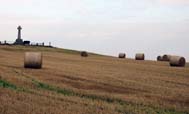
This sculpture is by David Backhouse, a Somerset artist who also created Memorial to Animals in War in London.
‘This sculpture is inspiring in its own right, and also changes the way you look at the setting. The pilgrim seems to both belong here, and to be passing through’ (Dee Price)*


*From a signboard next to the Pilgrim
10 Comments CherryPie on Aug 22nd 2016
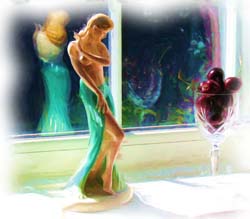
True beauty must come, must be grown, from within…
Ralph W. Trine

6 Comments CherryPie on Aug 21st 2016

The moat around the Bishops’s Palace was designed to divert water from low lying ground around that caused flooding around the palace:
Ralph of Shrewsbury saw through an ambitious building project to transform this damp, unstable site. He channeled the water from the wells into a moat surrounding the Palace, which acted as a reservoir. It was now possible to control the flow of the water, to limit the risk of flooding, and to power water mills.*


The moat is home to the Palace swans, they have been trained to call for food by ringing a bell at the gatehouse.
Their story begins in the 1870s, when one of Bishop Lord Arthur Hervey’s daughters first taught the swans to ring a bell at the gatehouse. You can see the bell just beneath the window on the left of the gatehouse and a chain hangs from it for the swans (and sometimes the ducks) to pull.
New generations of swans learn to ring the bell either from their parents, or from the caretakers who live in the gatehouse.*

*From the Bishop’ Palace guide to the Palace and Gardens
8 Comments CherryPie on Aug 20th 2016

This cope is part of a High Mass set which includes: a chasuble, stole, maniple, burse and a veil. It was made by Watts & Co. for Downside Abbey.
Silver (Japanese) metal threads have been used and couched in double rows using grey thread and surface couching. The tips of the petals have been raised using a thin string as padding. This three-dimensional effect infuses life into the design.
Roses and crowns are emblems of the Blessed Virgin Mary. The fifteen petal rose echoes the five joyous mysteries, the five sorrowful mysteries and the five glorious mysteries of the rosary.*

This dalmatic and stole, together with the rose silk chasuble displayed alongside were designed by J.L.Davenport for Watts & Co. of Westminster, and believed to have been made before WWI.
The Latin script on the dalmatic reads: Gaudette cum Laetitia (rejoice with gladness), and Letare Jerusalem (Rejoice of Jerusalem).
The design of the set was based on a dalmatic worn by St. Lawrence, Deacon of San Lorenzo and Martyr, in a fresco by the Italian artist Fra Angelico (c. 1447-9). The fresco is housed in the Niccoline Chapel in the Vatican, a copy of it can be found at Downside Abbey.*
*From an information board
2 Comments CherryPie on Aug 19th 2016

The orphrey and hood were made by the Benedictine Nuns of the Convent Of Our Lady Blessed Assumption, Brussels, for the silver jubilee of its foundress, Lady Mary Percy. The ophrey and hood have been added to a 19th century cope. The embroidered hood depicts a scene worked in silver and gold metal threads, using a couching technique know as Or Nue (shaded gold). Or Nue is a fiddly technique and this example shows great skill. You can see how the mutual threads in the main body of the embroidery have been worked horizontally, whereas the embroidered arches have been worked vertically.*
*From an information board
2 Comments CherryPie on Aug 18th 2016