While we look not at the things which are seen, but at the things which are not seen: for the things which are seen are temporal; but the things which are not seen are eternal.
2 Corinthians 4:18
Random thoughts and photos of my journey through life…
While we look not at the things which are seen, but at the things which are not seen: for the things which are seen are temporal; but the things which are not seen are eternal.
2 Corinthians 4:18
8 Comments CherryPie on Nov 2nd 2014
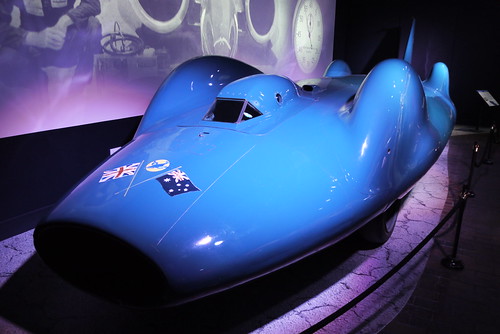
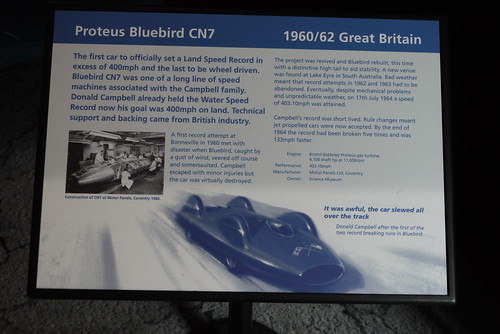
The first car to officially set a Land Speed Record in excess of 400mph and the last to be wheel driven. Bluebird CN7 was one of a long line of speed machines associated with the Campbell family. Donald Campbell already held the Water Speed Record now his goal was 400mph on land. Technical support and backing came from British industry.
6 Comments CherryPie on Nov 1st 2014
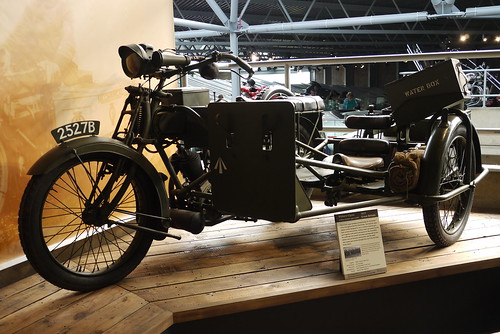
1917 Vickers-Clyno – 5/6hp machine gun outfit
Clyno built large numbers of motorcycles for the British Army throughout the First World War. The majority were side car outfits designed to carry a Vickers machine gun. Each carried ammunition, cooling water and spares for the gun together with petrol and spares for the motorbike.
An outfit like this would have been accompanied by two others; one carried extra ammunition and the other was a spare gun carrier, brought into use if the first bike broke down.*
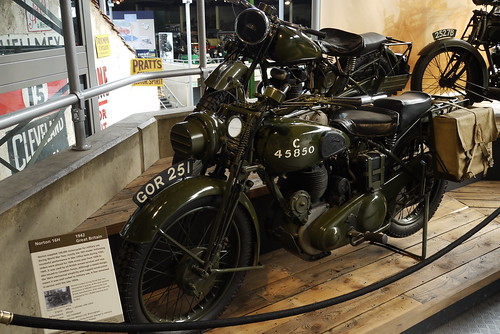
1942 Norton 16H
Norton supplied 100,000 motorcycles for military use during World War Two, mostly the 16H model. Following successful performance in War Office tests during 1935, orders were placed for 16Hs every year from 1936 to 1945. It was used by all British armed services and was also issued to Canadian forces. Although a dated design, the 16H’s mechanical simplicity and rugged construction meant it was well suited to military use. A few remained in service until the late 1950s.*
*From an information plaque next to the car.
6 Comments CherryPie on Oct 31st 2014
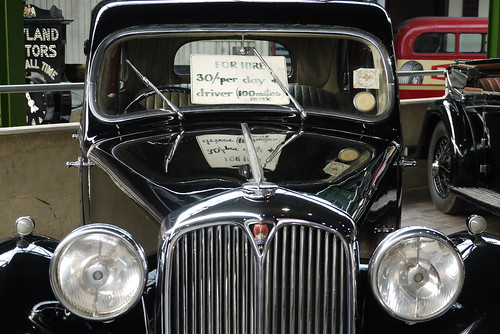
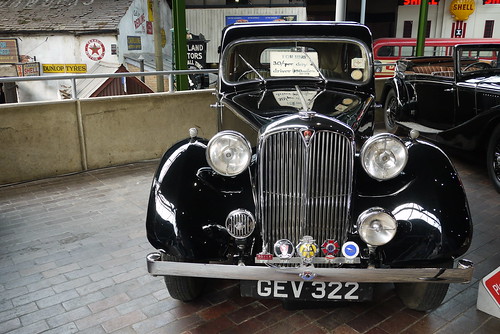
Rover experienced financial difficulties from 1927, as its reputation waned and the Great Depression approached.
In 1933, the 12hp Rover Pilot was upgraded to 14hp. The Speed Pilot of the same year had a longer wheelbase, as did the Rover 14, introduced for 1934.
This example was owned by Mrs G Pringle for 45 years. Marrying a naval officer posted to Sri Lanka in 1953, her car was shipped over by aircraft carrier. There it negotiated mountain roads, as younger cars boiled. Two years later, the Rover returned to England on the deck of a cargo vessel, braving heavy seas.
Cylinders: in-line 6 – Capacity: 1577cc – Maximum Speed: 70mph – Valves: Overhead – Power output: 48bhp @ 4500rpm – Price New: £320
*From an information plaque next to the car.
11 Comments CherryPie on Oct 30th 2014
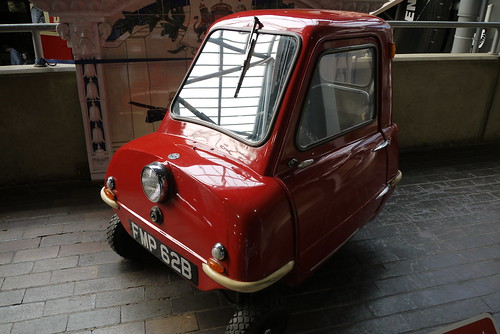
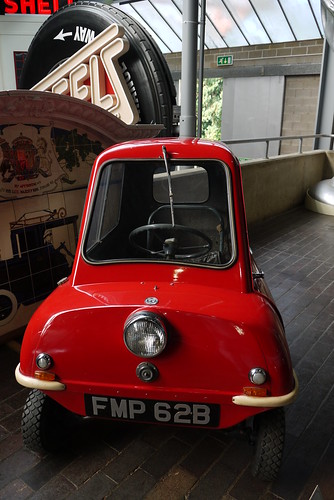
Peel were the Isle of Man’s only production car manufacturer. The fibre glass single-seat P.50 weighed just 130lbs, the equivalent of about 60 bags of sugar. A single door on the nearside allowed access and a lever behind the driver started its 49cc D.K.W. motorcycle engine. Lacking reverse gear; a grab handle at the rear facilitated this manoeuvre. Built without indicators, hand signals were required through the offside opening window.
The makers claimed, “Parking problems solved, arm chair seating, saloon car protection, lively performance, powerful breaking, ample parking space”. In reality, it is almost impossible to fit even a shopping bag into it.
Cylinders: 1 (2 stroke) – Valves: Not applicable – Capacity: 49cc – Power Output: 4.2bhp @ 6,600rpm – Maximum Speed: 40mph – Price New: £149*
*From an information plaque next to the car.
8 Comments CherryPie on Oct 29th 2014
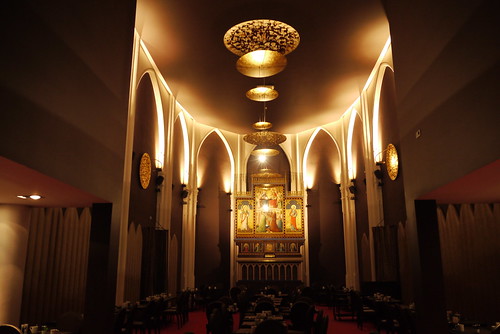
I invite you to read my post about the historic town of Mechelen on the Broad Oak Magazine blog.
2 Comments CherryPie on Oct 29th 2014
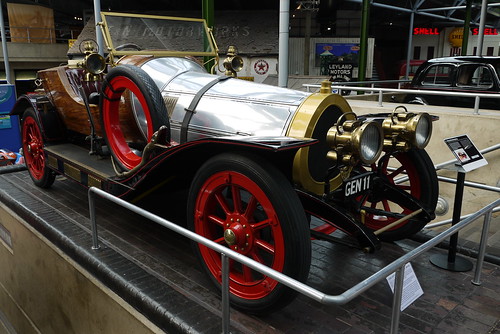
1968 Chitty Chitty Bang Bang – British
Author Ian Fleming, creator of the immortal James Bond, also wrote a children’s book about a magical car. The story was later turned into a popular film by United Artists. It was a musical extravaganza starring Dick Van Dyke as the inventor Caractacus Potts.
Chitty Chitty Bang Bang was a car capable of skimming across the sea in the form of a hovercraft or sprouting wings and flying. At the flick of a switch, one of the rear seats could eject unwelcome guests.
Albert Broccoli, the films director, commissioned Alan Mann to build six versions of the car including two built in its supposed original racing form. Each one measured around 18 1/2 feet long and just over 6 feet wide. At 5 1/2ft high and weighing 1500 kilos (1 1/2 tons), they were powered by V6 Ford Zodiac engines with automatic transmission. The cars were road tested up to 100mph before Broccoli’s technicians wings and propellers to one and a hovercraft skirt to another.*
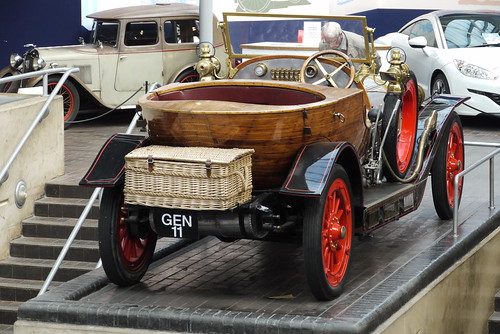
*From an information plaque next to the car.
8 Comments CherryPie on Oct 28th 2014