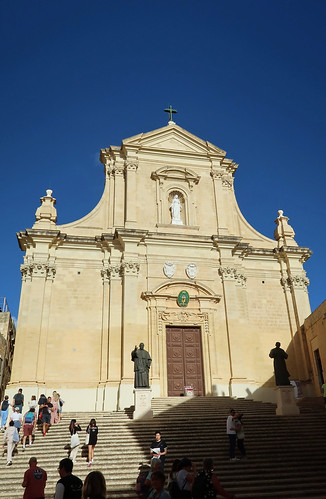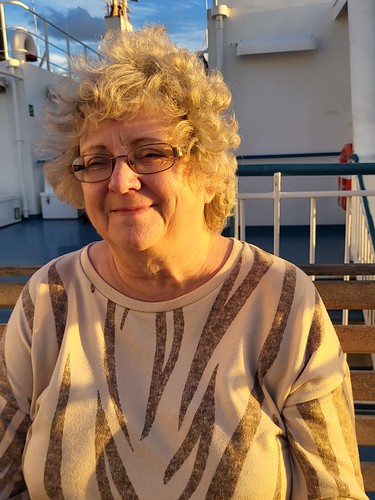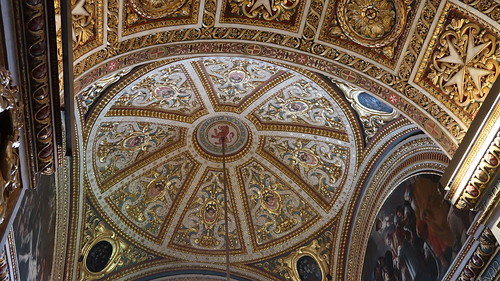
Photo taken by Mr C
For some reason I was feeling out of sorts when I woke up, possibly because I could feel the beginnings of the lurgy coming on. We were a little late for breakfast but thankfully there was only a small queue.
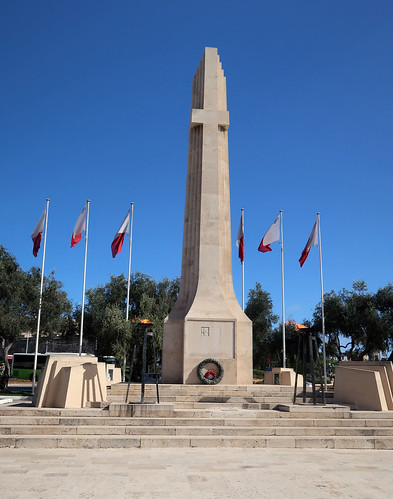
After breakfast we had planned to catch the ferry to Birgu but the plan was flexed and we detoured to the war memorial first rather than on the way back from Birgu as we had planned. The pathways that led to the memorial were all blocked off. We had quite a tricky time getting to the war memorial and so it took us longer than expected. Some pathways were closed and the roads around it were very busy.
After photographing the memorial, we walked to the lift that would take us down to the ferry. Unfortunately, the extra time it had taken to get to the memorial meant that we had just missed the ferry and had to wait for it to come back.
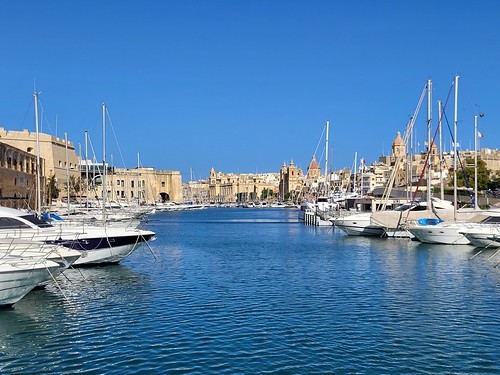
Photo taken by Mr C
Eventually in Birgu, we took a few photos of the harbour before sitting on a bench for a few moments to look at a map so we could get our bearings. It was now time for a refreshing drink before walking into town. We didn’t opt for the nearest café and settled for a shady arcaded place a short distance down the street.
Then we headed into town checking a signboard before choosing to visit the Inquisitors Palace first. As we neared the palace, I saw a photo opportunity and realised my camera was missing. I remembered I had put it next to me on the bench when we sat to briefly peruse the map. I always check I have left nothing behind when I move on from a place but for some reason, I didn’t see the camara, maybe it had fallen on the floor underneath the bench. I will never know…
Mr C retraced our steps checking all the cafes and also the bench area where we briefly sat. It was gone without a trace.
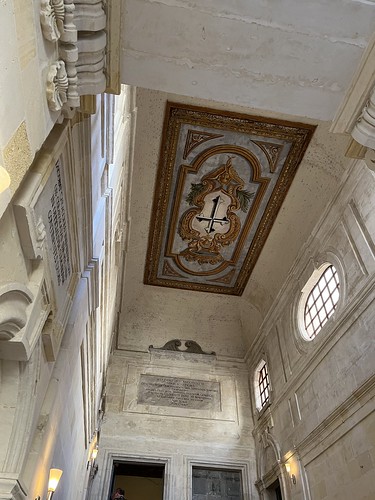
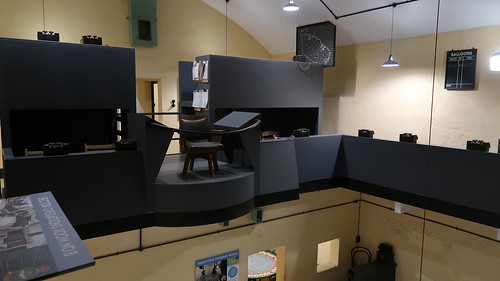
Despite being distracted due to the loss of my camera, or, more importantly to me, the photos I had taken during the first days of our holiday I enjoyed our visit to the Inquisitors Palace.
By some quirk of fate, I had unexpectedly upgraded my mobile phone (paying less for my contract) just a few days before we travelled to Malta! The new phone has an adequate camera, so going forward I was able to capture my own photo memories of our adventures in Malta.
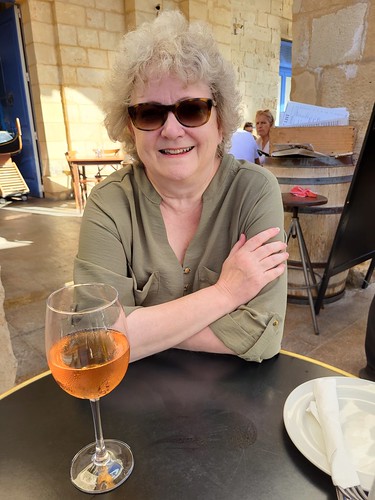
Photo taken by Mr C
We went in search of lunch, ending up on the harbour front sharing a pizza and enjoying a glass of wine and beer seated in shade at restaurant Sottovento. This was handy for our next intended visit, The Maritime Museum. However, we found that the museum was closed to the public until further notice, because is being refurbished.

We returned to Valletta, on the way checking at the café near to where I lost my camera. The waitress took my phone number and directed me to the police station that was 200 yards away to see if it had been handed in there. It hadn’t but the police officer also took phone details, although both of us knew that by now my camera was not going to turn up.
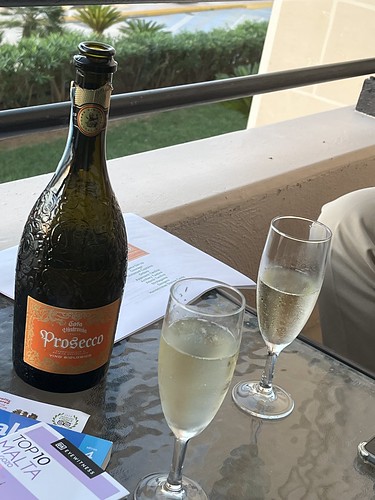
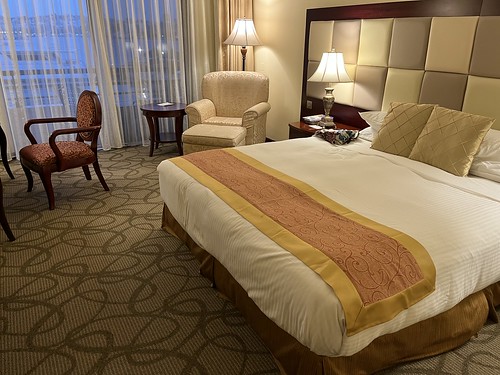
It being my birthday, back at the hotel Mr C ordered a bottle of Prosecco to be delivered to the room. The bar staff said, can you take it yourself? Mr C agreed but they provided no ice bucket so it turned out to be a do it yourself sort of celebratory drink on the balcony! When we sat down, I had a little birthday surprise in that my mum (who struggles with technology) was able to use her new mobile phone to ring me up to say happy birthday.

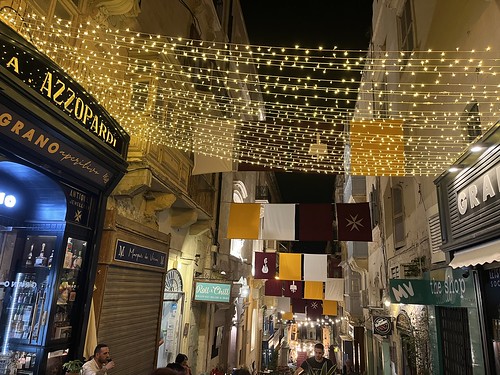
We walked into Valletta to find a suitable restaurant for a birthday meal, ending up, to our delight, dining in our restaurant of choice, Grain Street which we had thought was shut that day. The food and service were amazing.
Our cosy nearby bar was shut on Sundays so we returned to the hotel for a nightcap instead.
Tags: Birgu, Camera, Grain Street, Harbour, Inquisitors Palace, iPhone, Loss, Me by another, Mobile Phone, Portralit, Prosecco, Sottovento, Vacation, Valletta, War Memorial