Although we were both quite disorganised in our packing and preparations, we actually managed to set off on time for our overnight stay in the Premier Inn. We always choose to stay overnight in a hotel near to the airport when we have an early morning flight, it allows us to get to the airport on time without additional stresses.
The journey to Manchester was horrendous with torrential rain causing spray and difficult driving conditions on the motorway. In addition to this, too many drivers were travelling too fast for the difficult conditions. We had a brief stop at a motorway service station, then continued our journey to the Premier Inn where we checked in and relaxed in the room with a refreshing cup of tea before dining in the nearby Tatton Arms. I had a small portion of fish and chips accompanied by a delicious glass of Pinot Grigio blush.
After dining, we retired to the Beefeater bar that is attached to our hotel for a nightcap. We didn’t linger too long; the drinks were expensive and the room was extremely chilly. We returned to our room where we warmed up with a refreshing cup of tea before an early night in anticipation of our 3.30 wakeup call to allow us to get to the airport on time for check in.
Tags: Airport, Manchester, Premier Inn, Tatton Arms, Vacation

During our recent Malta adventure I unfortunately lost my camera along with the photographs for the first part of our holiday. Luckily just before we travelled I had upgraded my mobile phone (paying less for my contract) so I was able to take photos after my camera had gone missing.
I have now replaced the camera but the photos that should have accompanied my stories from Malta have been lost in a foreign land…
Tags: Camera, Loss, Malta, Vacation
The man with the backpack is never lost. No matter wither he may stray, his food and shelter are right with him, and home is wherever he may choose to stop.
Horace Kephart

Tags: Malta, Mdina, There's Always One, Vacation

It was a shock to the system returning to ‘Old Blighty’. We left Malta in 80F sunshine and landed in rainy 39F Manchester.
Photo diary accounts of our adventure coming soon…
Tags: A Room With a View, Malta, Vacation, Valletta
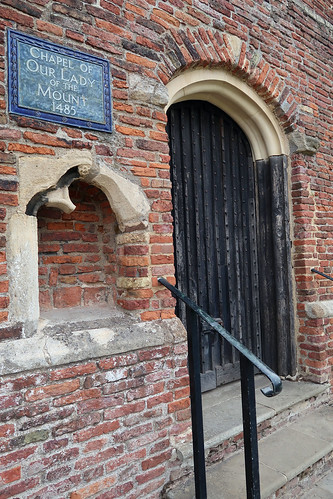
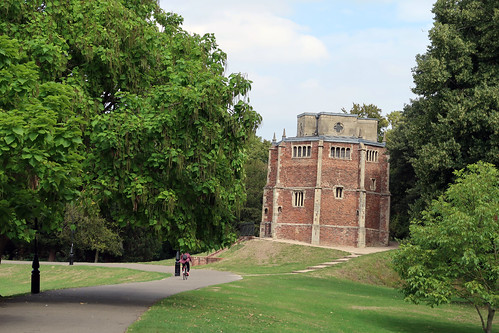
The Chapel of St Mary on the Mount, known as the Red Mount Chapel, was built between 1483-85 by Robert Curraunt for William Spynke, the Benedictine prior of Lynn. It was for use by pilgrims travelling to the shrine of Our Lady at Walsingham. The chapel was built on ‘the hylle called the Lady of the Mounte’, on the line of the town’s defences. The brick-built chapel is octagonal, with buttresses at each corner. It has three entrances, the one at the rear probably being used by the priest.
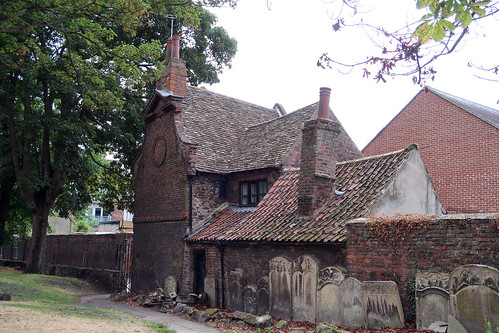
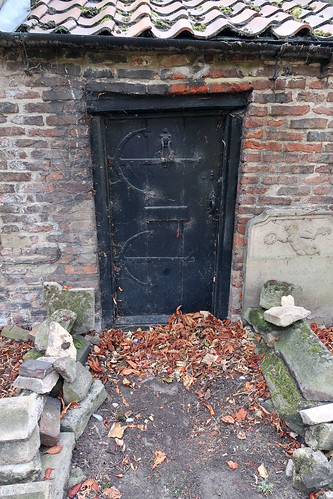
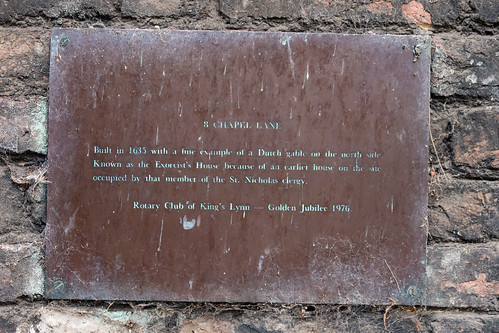
Leaving St Nicholas’ chapel via the south porch leads to the churchyard where you can find a small 7th Century cottage known as the “Exorcist’s house”. The building dates from 1635, and is thought to replace an earlier building which was home to members of the clergy who served St Nicholas’ chapel, located adjacent to the cottage.
The reason for the unusal house name has been lost over time. Maybe a priest associated with the adjacent St Nicholas’ chapel lived there and provided spiritual healing.
Tags: King's Lynn, St Nicholas' Chapel, The Exorcist's House, Vacation