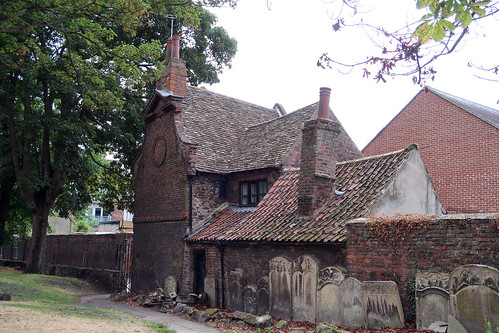
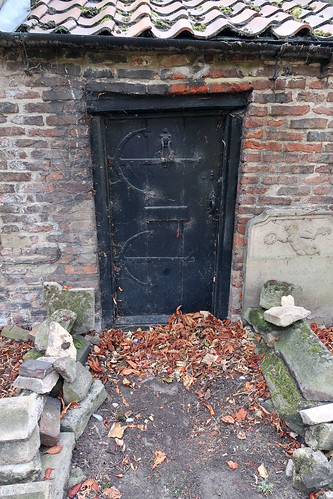
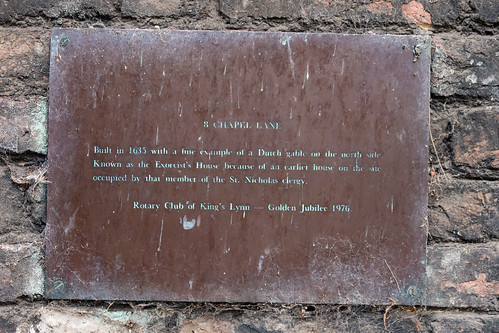
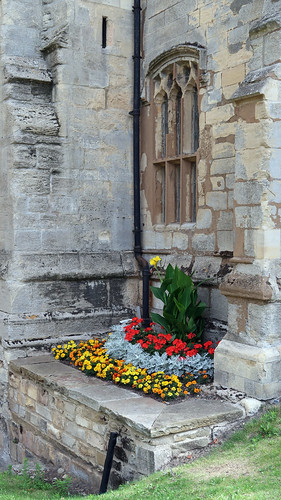
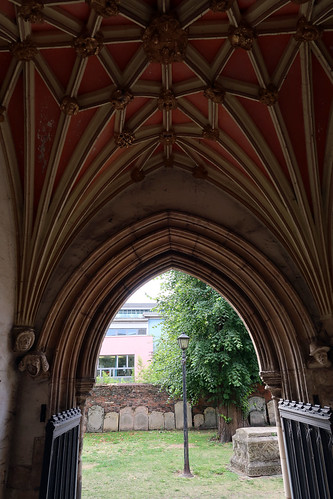
Leaving St Nicholas’ chapel via the south porch leads to the churchyard where you can find a small 7th Century cottage known as the “Exorcist’s house”. The building dates from 1635, and is thought to replace an earlier building which was home to members of the clergy who served St Nicholas’ chapel, located adjacent to the cottage.
The reason for the unusal house name has been lost over time. Maybe a priest associated with the adjacent St Nicholas’ chapel lived there and provided spiritual healing.
Tags: King's Lynn, St Nicholas' Chapel, The Exorcist's House, Vacation
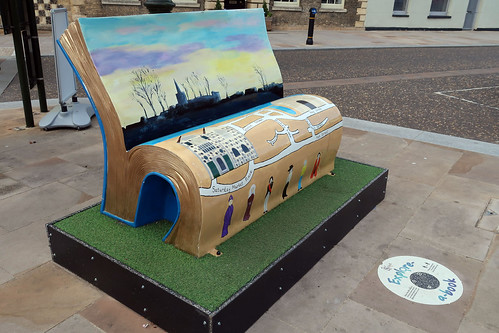
That’s the thing about books. They let you travel without moving your feet.
Jhumpa Lahiri
Tags: Book Bench, Cherie's Place Thought, King's Lynn, Norfolk, Rest a while, Rest a while with me
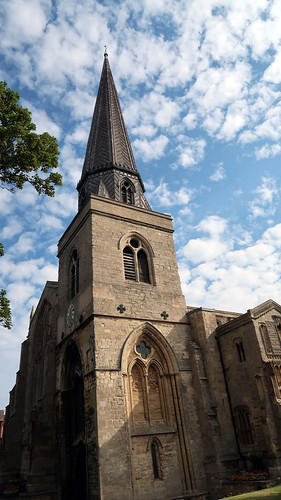
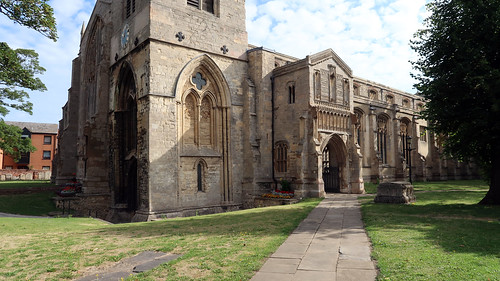
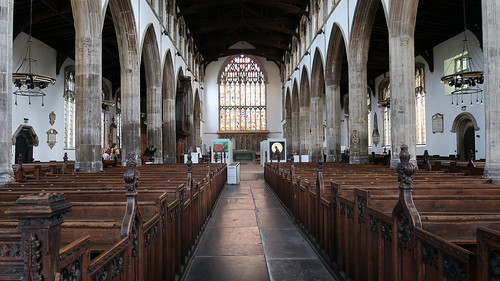
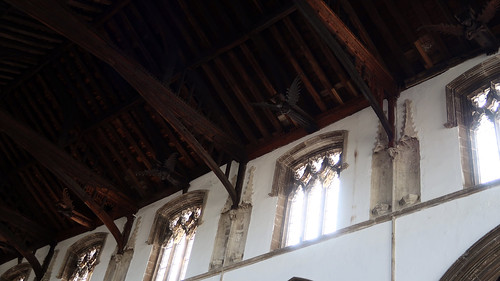
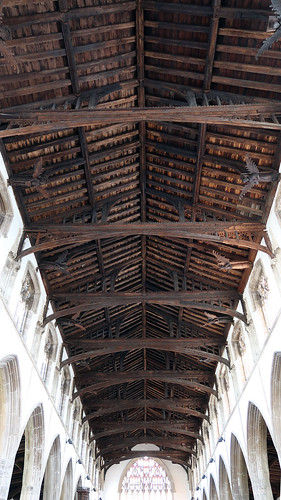
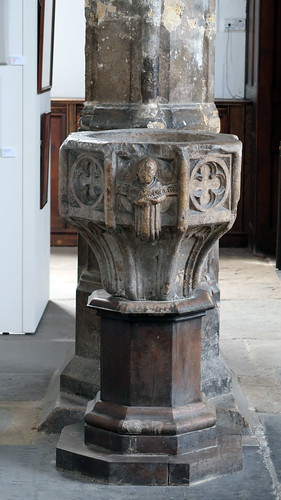
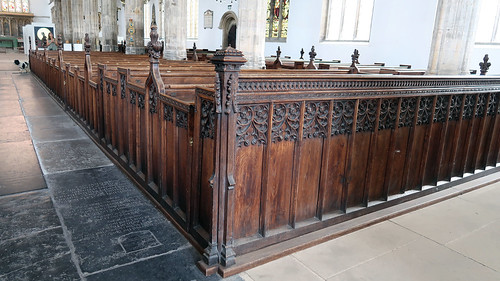
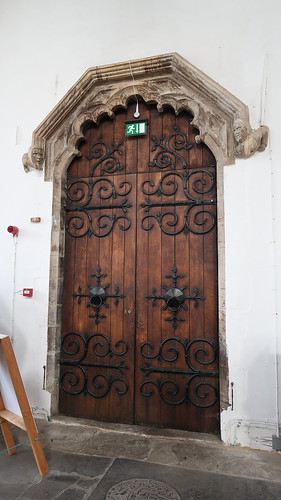
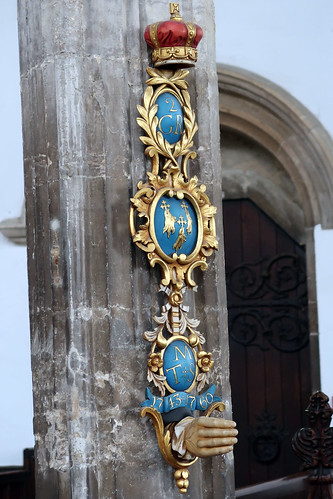
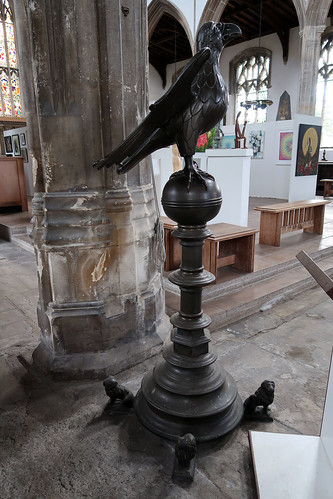
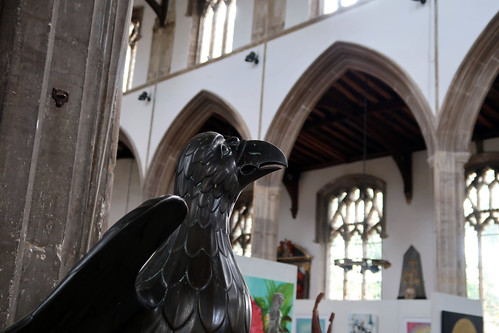
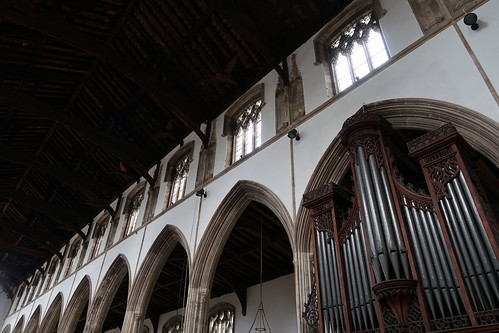
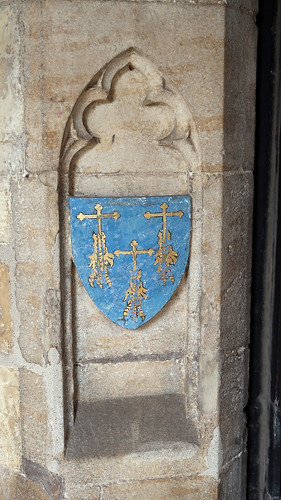
The following link explains the historic features that can be found within the chapel:
A tour of St Nicholas’ Chapel


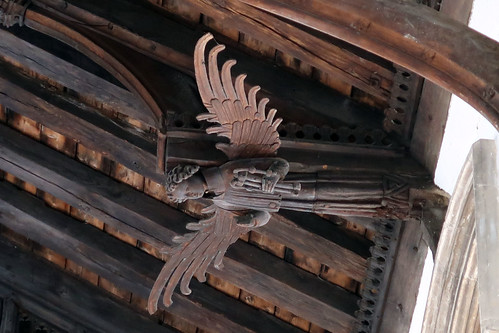
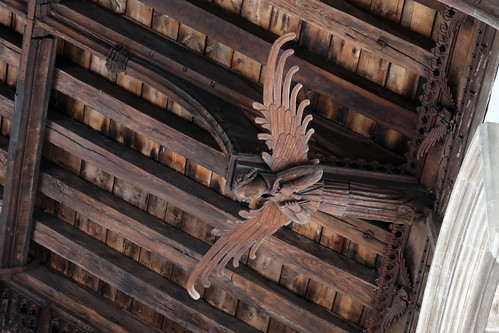
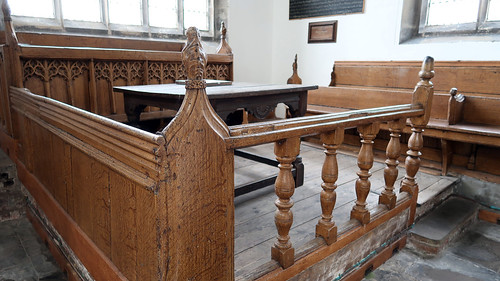
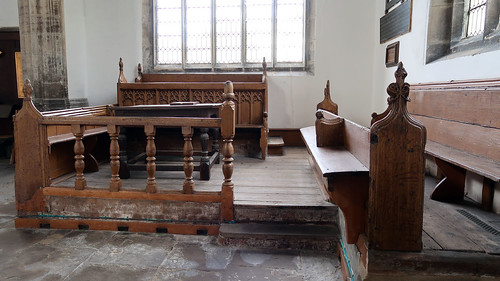

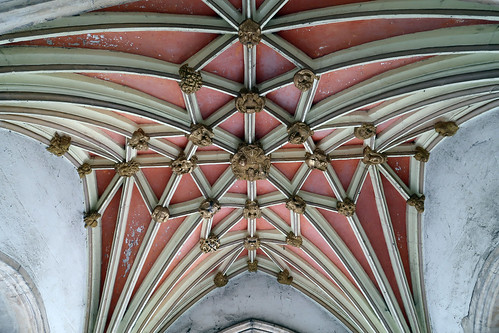
Tags: King's Lynn, Norfolk, St Nicholas' Chapel, Vacation
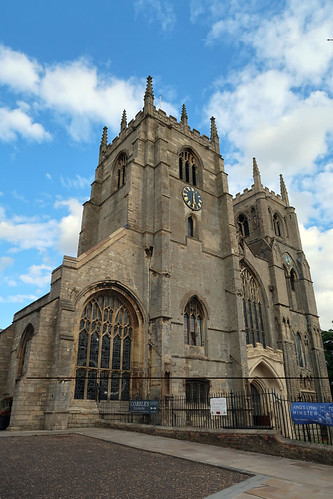
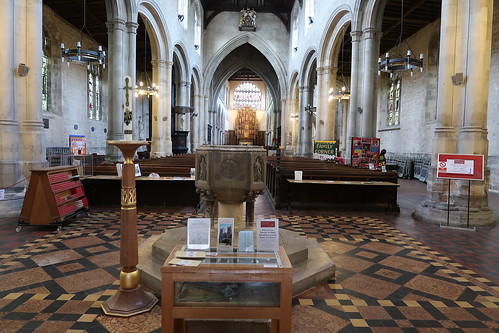
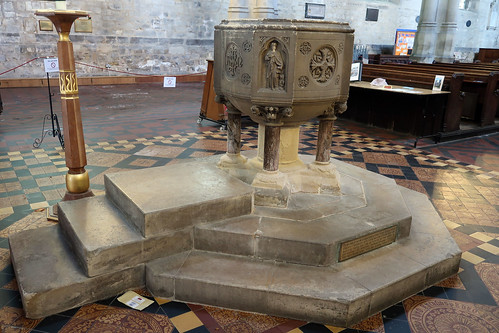
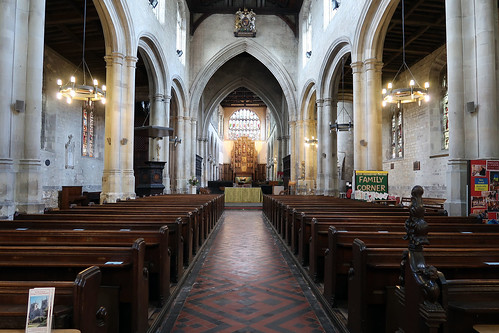
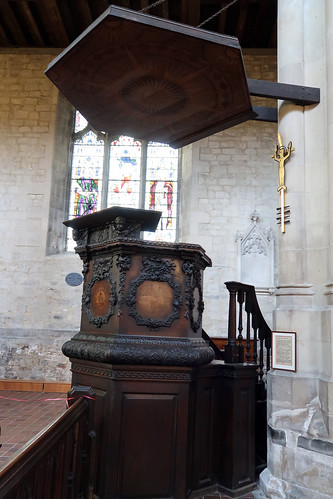
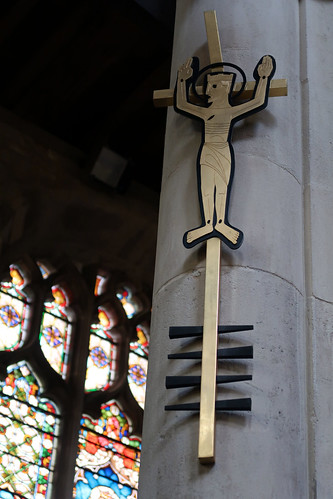
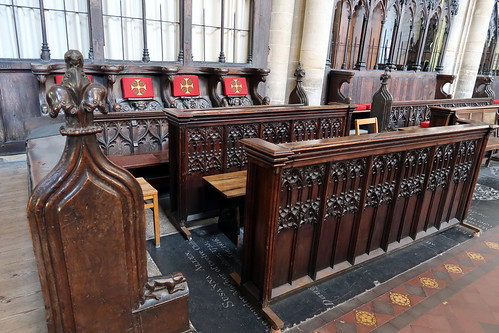
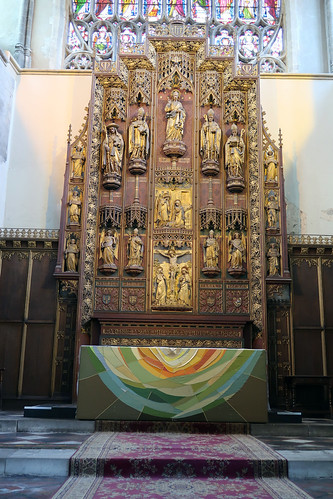
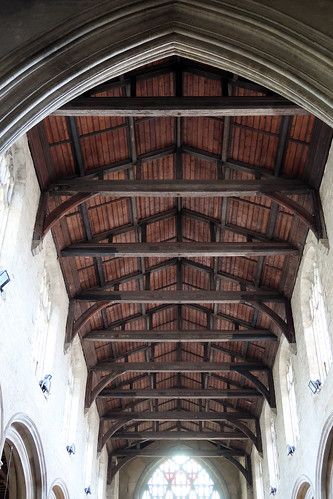
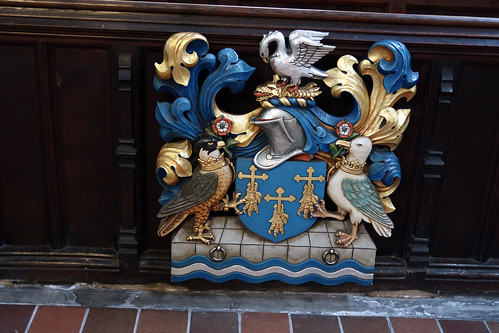
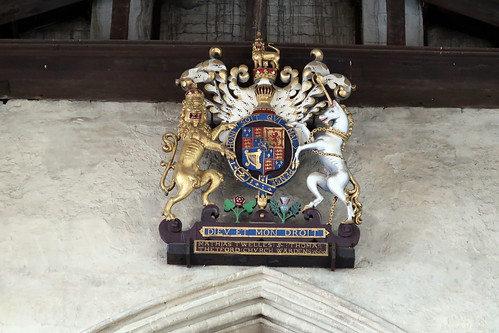
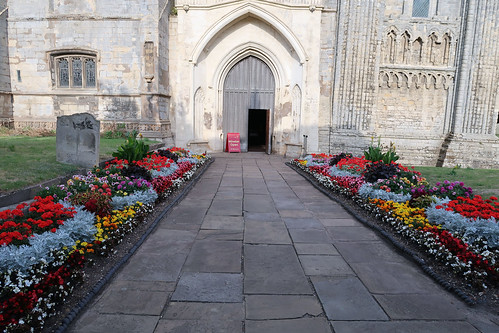
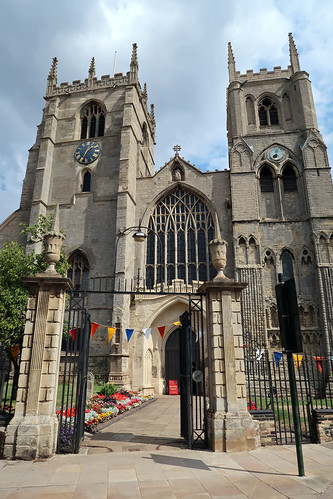
The Minster and Priory Church of St Margaret, St Mary Magdalene and all the Virgin Saints was founded as a Benedictine Priory in 1101 by Herbert de Losinga, the first Bishop of Norwich. For 400 years it was the monks’ home as well as the Parish Church for the town. It was always known as St Margaret’s.
Within the parish there was also St Nicholas’ Chapel to the north and St James’ Chapel to the east. These were ‘Chapels of Ease’, not Parish Churches. All Saints Church, outside the town walls, is the ancient Parish Church for South Lynn. In the 19th century, St John’s Church was built to the east as a new Parish Church and the ancient parish of St Edmund’s North Lynn was combined with St Margaret’s parish. By then, the medieval St Edmund’s Church was derelict and St James’ Church had been demolished. St Nicholas’ Chapel is no longer used for regular services, but the three Parish Churches work together as the King’s Lynn Group Ministry.
St Margaret’s Church was made King’s Lynn Minster by the Bishop of Norwich in December 2011 in recognition that it provides a ministry far wider than that of a normal Parish Church. It is the civic church for West Norfolk and frequently holds services and events for the western part of the Diocese of Norwich. The historic and architectural significance of the building were also factors in the decision to make this a Minster. The title belongs to the building, so the parish served by the Minster is still called the Parish of St Margaret with St Nicholas and St Edmund, King’s Lynn.


Tags: King's Lynn, King's Lynn Minster, Norfolk, Vacation
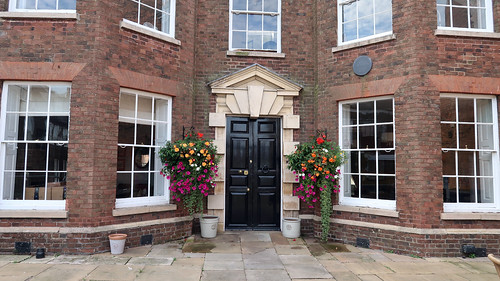
A brief history quoted from an information pack in our room at Bank House:
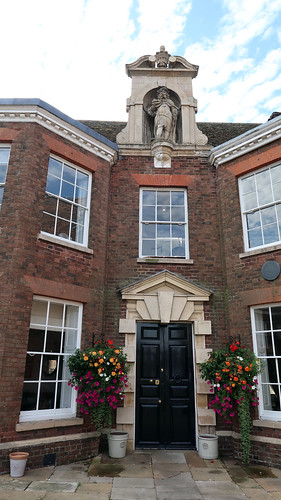
Described by Nikolaus Pevsner as one of the finest houses in King’s Lynn, Bank House was built in the early 18th Century for one of the King’s Lynn’s many rich and successful merchants. The house is Grade II* listed and is recognised as a stunning example of an early Georgian house. Of particular note is the panelling on the ground and first floors, the mantlepiece in the Boardroom and the pediments over a couple of the bedroom doors on the first floor. In what we call, rather unromantically, the Purfleet, on the second floor, the panelling is much older and thought to date from an older building and to have been used in the present Bank House as out of date and suitable only for servants’ quarters
Underneath the house, extensive barrel roofed vaults extend down to the river where wine coming in from the continent would have been stored before being shipped on to Cambridge (for the colleges), ely and Bury (for the bishops) or ports to the North.
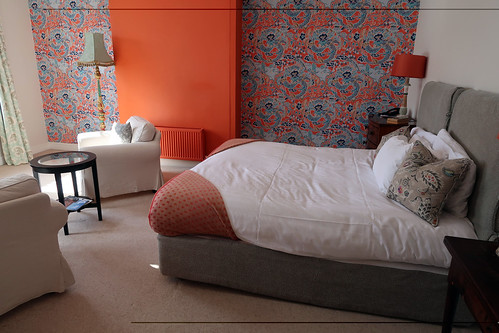
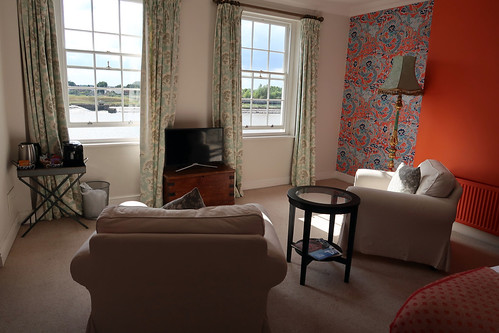
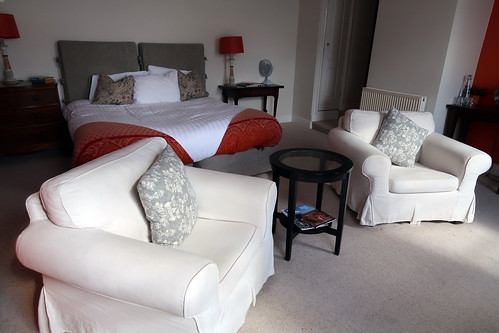
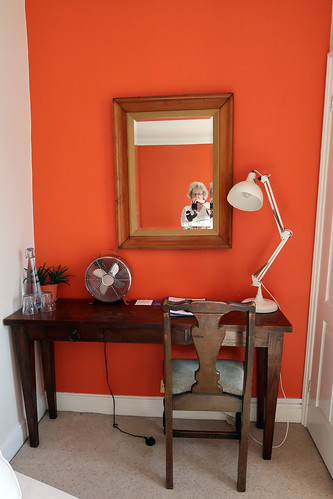
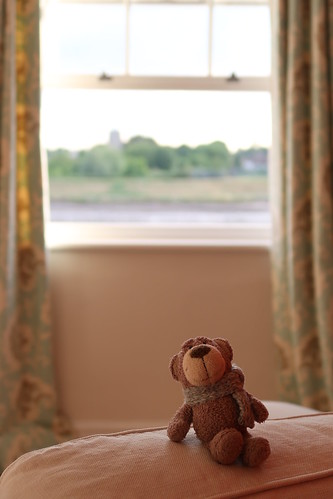
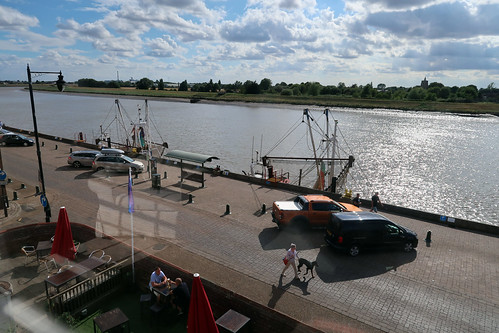
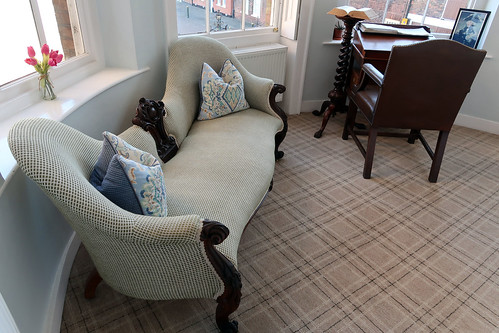
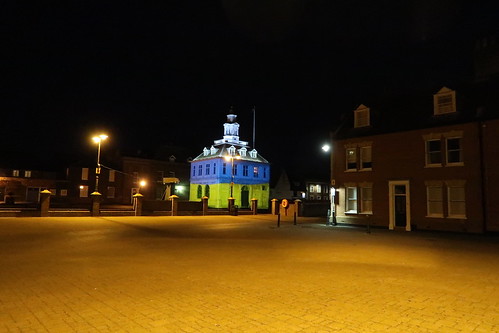
Situated so close the Custom House and the Purfleet, the house was at the centre of the trading area of King’s Lynn, and merchants would stand around King’s Staithe Square haggling over cargoes as they were landed. In the mid 1700’s Joseph Gurney realised the potential of the location and set up his first bank in the house, which was then christened Bank House. Around 1780 the Counting House was added on (which now houses the bar and River Room restaurant). In 1809 the bank narrowly avoided a “run” on it by its investors. One of the bank’s partners had to ride in haste to Norwich to bring back gold to reassure the customers! Gurneys recovered from this excitement to eventually become Barclays Bank today, and in 1869 moved to Tuesday Market Place.
Over the door stands a fine statue of an English king, thought to be either Charles I or James I. The statue is said to have arrived in a wheelbarrow looking for a home when its original home in Tuesday Market Place was demolished. Charles II stands on the Custom House.
Captain Samuel Gurney Cresswell, the arctic explorer who was one of the first party to sail the North West passage, was born in the house in 1827. He joined the Navy and went off to fight pirates in the China seas, at age 16. In 1850 he was appointed Second Lieutenant and ship’s artist on HMS Investigator during its expedition in search of the Northwest passage. The ship became stuck in the ice from September 1851 through to the Spring of 1853.
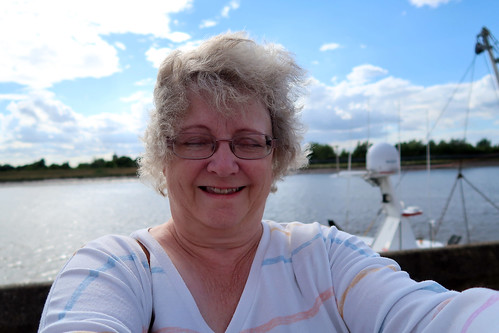
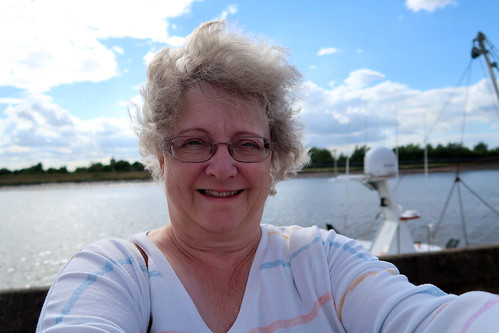
Tags: Kings Lynne, Norfolk, Portrait, Self Portrait, Vacation

The gardens are situation in what once was the friary orchard. When the friary was closed in 1538, the tower and the land around it passed to the Town Council.
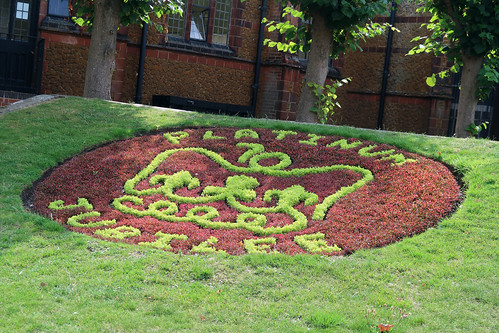
Part of this land was never permanently built on. Tower Gardens was laid out in 1911 as a public park to commemorate the coronation of King George V.
In 1921 it also became the site of the town’s War Memorial, following the First World War.
The War Memorial was designed by Oswald Milne and unveiled by HRH Princess Mary, daughter of King George V, on 26 February 1921. It lists 569 local men who died in the First World War and a further 19 from the Second World War.



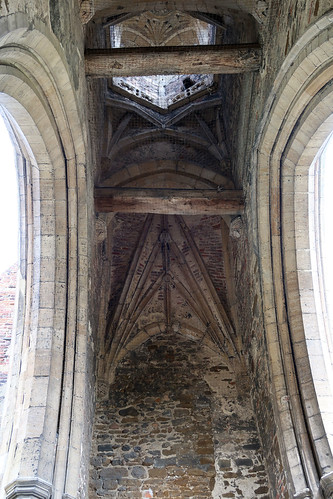
Greyfiars Tower is the only surviving above ground remains of the medieval Franciscan friary. It is about 93 feet high. It was built in stages from the 13th to the 15th century.
It is a lantern tower, with windows to provide light to the area below.
It is also a bell tower and orginally had a single bell in the top chamber. Only two other medieval Franciscan bell towers survive in England, one in Coventry and the other at Richmond in Yorkshire.

- Information taken from signboards in Tower Gardens.
Tags: Greyfriars Tower, Kings Lynne, Norfolk, Tower Gardens, Vacation, War Memorial, WW1, WW2, WWI, WWII