


CherryPie on March 10th, 2010

After all that hard work and campaigning it is really time for a rest.  But work was manic today with a special task taking priority over routine work which means everything is piling up!  Then on Friday I have a meeting in Clapham to look at the motions that will be put up for our group conference.  I was trying to avoid going through London on the train, but that is proving difficult because the website I use for checking the times has been improved.  It is now doing some very strange things and not giving me the information that I need.

After I got home I learned that PCS have called a further day of industrial action next week and we will have to get all that info out to the members tomorrow.  An activists work is never done.

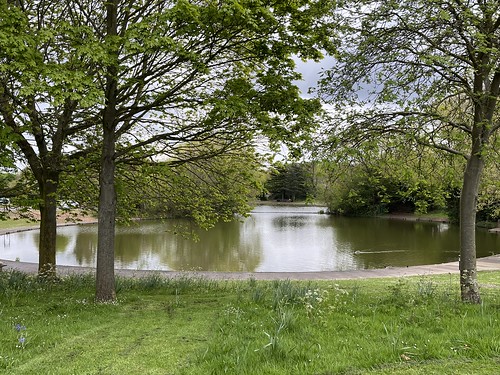
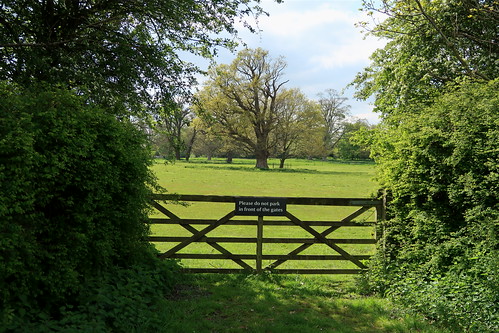
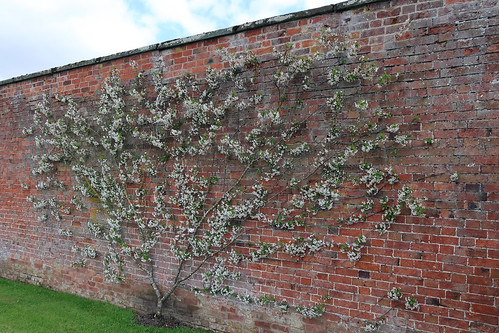
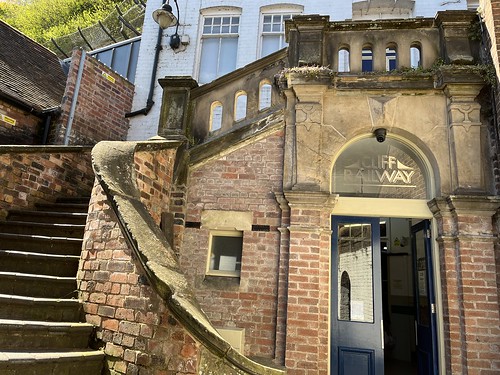
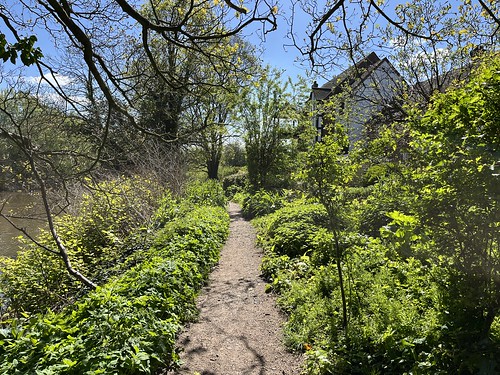
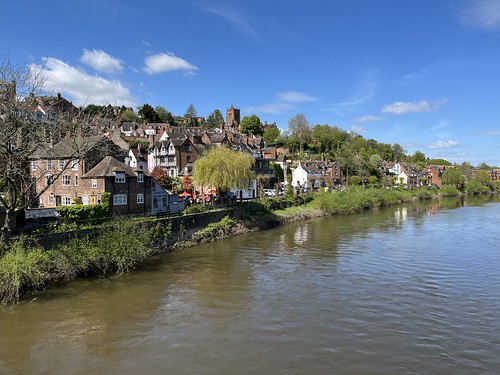
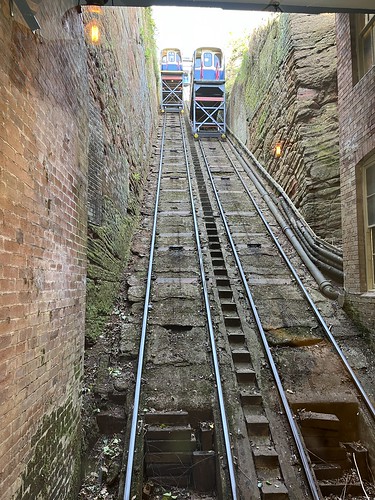
What I need is some I need is a nice relaxing walk in the park, but for now I will have to make do with some photographs.

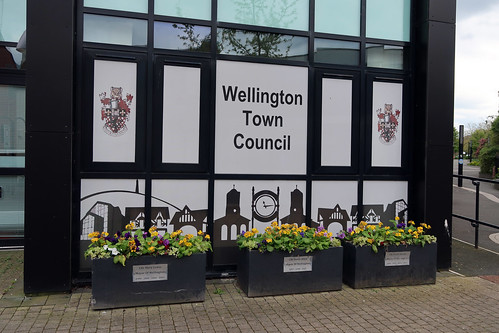
The Clock Tower

On Reflection

Tags: , , , ,

CherryPie on March 9th, 2010

pcs-cscs-campain-ad

Looking windswept in London

The stalwarts got up early to man the picket lines again.  The temperature was only -1 today but it still felt rather chilly until the sun came out. We shared this duty with another department that occupies the building with us. Some of their colleagues very kindly brought hot coffee and biscuits out for us, which was very welcome :-) To warm up at the end of our duty we visited the local all day breakfast establishment where I had a tasty bacon buttie and a welcome cup of tea.

Mark Serwotka, General Secretary commenting in the latest edition of PCS view:


In 1987, Margaret Thatcher - who made huge cuts in the civil service - approved the current terms of our compensation scheme. If it was a fair scheme then, why does the present Labour government tell us that it is not fair now for the people who, for years, have suffered low pay on the basis that they have secure jobs?

The answer seems to lie in the fact that Gordon Brown believes it would be wrong to take parliamentary action to curb bankers’ bonuses because they are a contractual right, but it is apparently all right for the contractual rights of civil and public servants to be ripped up to save money.

Gus O’Donnell has written to civil servants to tell them the cuts are ‘fair and reasonable’ and concessions have been made to the low paid. But almost half of PCS members would be worse off, in some cases by tens of thousands of pounds. PCS does not accept that this is a fair and reasonable way to save money to pay for a financial crisis caused by the greed and stupidity of the banks.

Mr O’Donnell was quick to tell us that other unions have accepted the fairness of the proposals. It is disappointing that some unions have accepted cuts in their members’ entitlements and allowed themselves to be cited by him in his demand that PCS members should ‘think hard about how to vote’ in the ballot. But that is for them. PCS represents almost three times the number of civil and public servants than the other unions combined.

PCS cannot accept changes to the scheme which would leave almost half of our union suffering a detriment. We must be united to win protection for the other half. An agreement with the government which saves money and protects all members’ existing entitlements is affordable and possible.

Taking industrial action is never an easy decision to take but this national ballot is the most important one for PCS members in years.

The political parties are all talking about massive public spending cuts after the next general election. The government’s changes to the compensation scheme are clearly designed to make it cheaper and easier to cut and privatise our jobs, whether by a Labour or Tory government.

We must build the pressure on the government to reach an agreement which is truly fair to its own employees.

The updated photo gallery of picket lines in Shropshire can be found here.

Tags: , , ,

CherryPie on March 8th, 2010

Manning the GatesToday I awoke from my slumbers at a very unearthly hour so that I could join my colleagues on the picket line outside my building. The temperature when I arrived was -5 so I was glad I had dressed with extra layers.

Hundreds of civil servants across Shropshire launched a 48-hour strike joining the 270,000 that are expected to strike around the country in a row over redundancy pay. This is the biggest walk out of civil servants since 1987. We received welcome support from passing motorists and colleagues from other Trade Unions.

We are taking action because the Government have scrapped the old terms and conditions of the Civil Service Compensation Scheme and, after several months negotiating with Trade Unions, decided to impose new terms without mutual agreement. The PCS Union is seeking to get back to the negotiating table and come to a mutually agreeable set of terms and conditions.

After manning picket lines I met up with other Shropshire activists to attended a march and rally in Birmingham along with around 200 other people from across the Midlands region. The rally was addressed by the Midlands Regional Chairman, Tony Conway, the PCS Assistant Secretary, Chris Baugh, and speakers from Amicus, NUT and the FBU, who generously presented us with a donation of £1000 towards the hardship fund.

After the rally there was time for a relaxing drink with friends and colleagues before heading home for a well earned rest.

Related links:

Shropshire Star Front Page

Shropshire Star - Workers Walk Out

Picket Lines Photo Gallery

Birmingham March & Rally Photo Gallery

Making a Point

Tags: , , , , ,

CherryPie on March 8th, 2010

speak-up-for-public-services

MYTH # 4. Most public sector workers retire at 60 on two thirds of their final salary

REALITY: The majority of workers joining public sector pension schemes will retire and claim their pension at the age of 65.

What are the Facts?

Many reports about pensions would lead you to believe that most public sector workers retire at the age of 60 on two-thirds salary, but in fact this only applies to the very few people who work in public service for forty years or more. The pension age for many public sector workers has always been 65 and this now applies to most new joiners.

The average pension in Local Government is around just £4,000 per year, and just £2,000 for women while in the Civil Service the average is £6,500. The average pension for a female NHS worker is £5,000 but the median pension for women is much less. In fact half of all women pensioners who have worked in the NHS get a pension of less than £3,500 per year.

Tags: , , , ,

CherryPie on March 7th, 2010

The test of our progress is not whether we add to the abundance of those who have much. It is whether we provide enough to those who have little.

Franklin D. Roosevelt

Harvest

Tags: , , , ,

CherryPie on March 7th, 2010

speak-up-for-public-services

MYTH # 3. The discrepancy between private and public sector pensions needs to be tackled by punishing the public sector

REALITY. We should level up pensions - not level them down

What are the Facts?

Many justify attacks on public sector pensions by the decline in the number and quality of private sector defined benefit pension schemes.

Around 85% of public sector employees are members of an employer-sponsored pension scheme, most of whom have a Defined Benefit scheme. However, in the private sector 40% of employees are members of an employer-sponsored pension scheme but only 15% of employees are active members of a Defined Benefit scheme.

Private sector employees have been hit hard by the employer retreat from good pensions. But this does not justify punishing public sector workers. Two wrongs do not make a right.

Public sector pensions support lower-paid members of the workforce. Well-paid private sector employees are likely to get a decent pension on top of their pay. The real difference between public and private sectors is among the low and average paid. The attack on public sector pensions may be wrapped up in rhetoric about fat-cat public servants, but it is really an attack on the low paid in the public sector. Only 20% of private sector employees who earn between £100 and £200 a week are members of an employer-sponsored pension scheme whereas 70% of public sector employees in the same pay range are pension scheme members.

The recent economic turmoil has had a huge impact on private sector DB and DC schemes. Savers in DC schemes have seen the value of pension pots plummet, while the private employer sponsors of DB schemes now have to make up the deficits. Unfunded public sector schemes have not been hit by market turbulence. Tax payers have not suddenly had to find funds to make up scheme deficits, and government can plan for the future funding of public sector pensions.

Private sector schemes need to be funded because there can be no guarantee that the sponsoring employer will still be around when staff retire. Public sector employers, ie the state, will exist in perpetuity and, as in other countries such as the USA, we tend to have unfunded pensions for central government functions such as health and the armed forces but funded schemes in local government.

To protect future pensions, private sector schemes (and funded public sector schemes) are regulated to ensure they have sufficient funds to meet their future commitments. But this tends to be on a cautious basis and deal with stock market volatility thus pushing up private sector pension costs. Funded public sector schemes can plot a more stable long term course. All schemes have to deal with issues such as increased life expectancy. The public sector has done this with the cost-sharing agreements backed up with a ceiling on employer costs described above.

As public sector schemes operate on a sustainable basis and employer contributions are capped, there is no financial justification to reduce benefit levels simply because employers have savaged private sector schemes.

Just how generous are public sector pensions?

Five million employees working in the public sector qualify for pensions, including 1.3m in NHS, 1.6m in local government, 600,000 teachers, 600,000 civil servants, 200,000 in the armed forces, 150,000 police officers and 50,000 firefighters.

The mean average public sector pension is £7,000 but the majority of public sector pensioners have pensions of less than £5,000.

The value of the main schemes in the public sector for new entrants are similar to a medium private sector final salary, at around 21% to 24% of salary on average.

Index - Media myths about civil and public services.

Tags: , , , ,

CherryPie on March 6th, 2010

But where was I?

Tags: ,