Random thoughts and photos of my journey through life…

8 Comments CherryPie on Jul 24th 2017
He loved us not because we were lovable, but because He is love.
C.S. Lewis
8 Comments CherryPie on Jul 23rd 2017
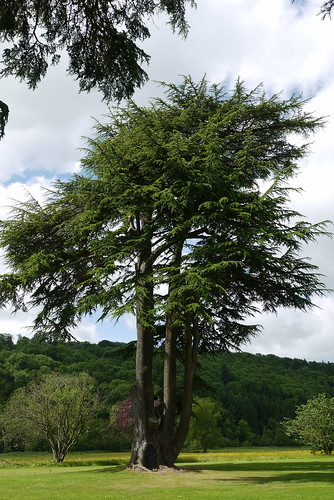
The tree leaflet for Hampton Court Castle and Garden provides the following information:
The oldest Cedar, growing on the slopes of Mount Lebanon, is approximately 16mts in girth and estimated to be 5.500 years old. By comparison, the first Cedar to be planted in this country, in 1647, is now 10mts in girth and our largest a mere 8mts.
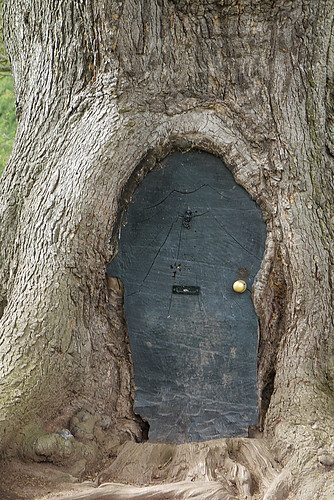
Our Cedars were given pet names by one of the castle’s previous inhabitants, Johnny Arkwright (1833-1905), when he was convalescing as a child and was confined to the Orangery. The largest of the Cedars was christened Julius. We think that Julius is the tree with the door into the trunk.
16 Comments CherryPie on Jul 21st 2017
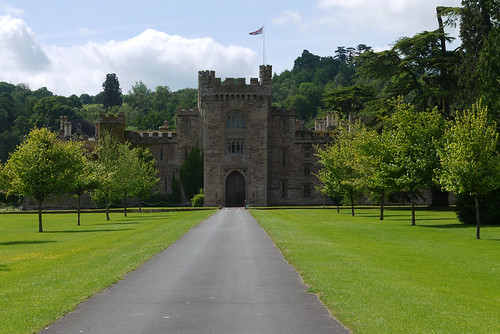
Although badged as a castle, Hampton Court is more accurately described as a fortified manor house. Access to the house is by guided tour and we were shown round by the housekeeper who gave us a potted history of the house and the various owners of the property.
Hampton Court has been standing among pastures and parkland beside the River Lugg for 600 years. The original manor house – of which substantial parts remain – was built by Sir Rowland Lenthall on land that was a wedding gift from King Henry IV when he married the king’s cousin, Margaret Fitzalan. Rowland fought under Henry V at Agincourt. Our Herefordshire Hampton Court is nearly a century older than the other with the same name. ‘The powerful Coningsby family bought the house from the Lenthalls and stayed here for 300 years, extending and changing it. In the nineteenth century it was bought by Richard Arkwright, son of the famous inventor and industrialist. Richard’s son John, carried out another ambitious remodelling of the house. The family stayed there until 1912.
In the twentieth century it passed through various hands and much of the original furniture was sold. It was rescued in the 1990s by the American millionaire, Robert Van Kampen, who furnished it magnificently according to his idea of how an English country manor should look. It was sold again after his death.*
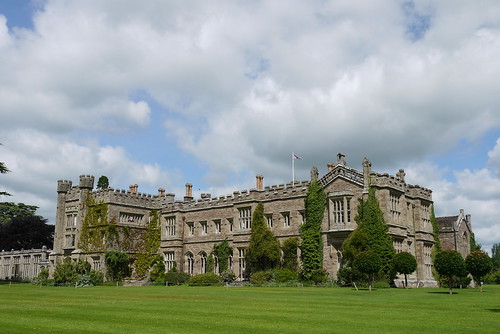
Adjacent to the house is the orangery (seen to the left in the above photograph) where sandwiches, cakes and light lunches are served. We were spoilt for choice and the food was delicious.
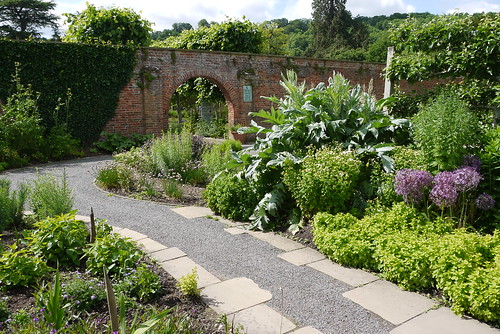
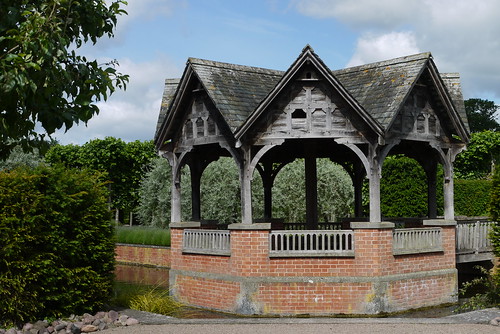
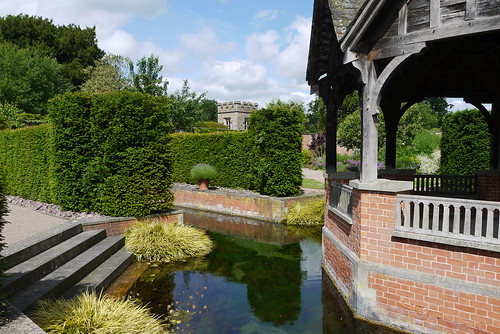
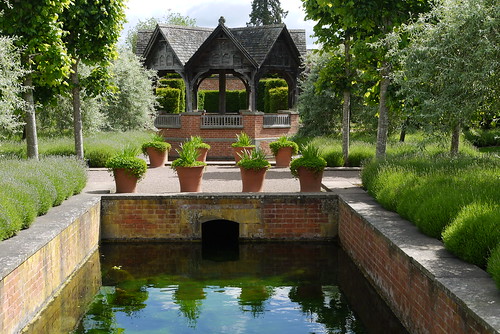
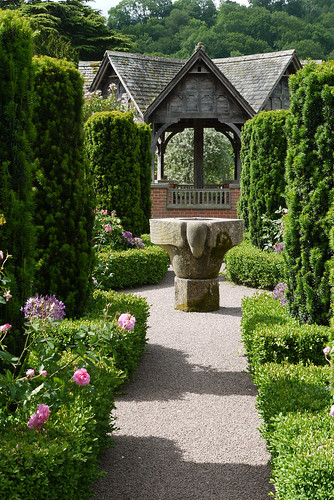
The gardens which are stunning have been recently redesigned as they had fallen into disrepair over the years. There are several different areas to the garden which include; Flower gardens enclosed by the original victorian walls, kitchen garden, moated pavilions, Wisteria Walk, herbaceous borders, yew maze, sunk garden and dutch garden.
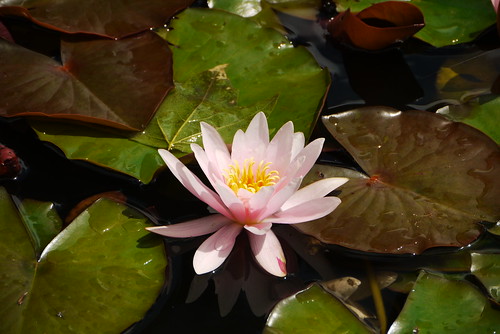
The water features in the garden are fed by the river Lugg to where the water is returned after it reaches the final water feature in the water circuit, the sunk garden.
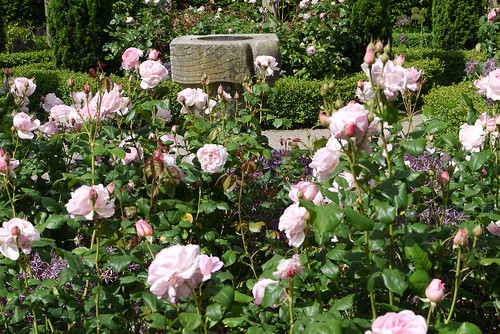
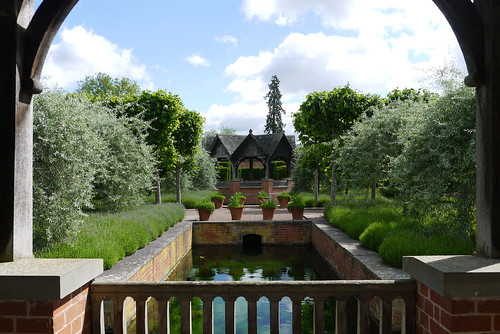
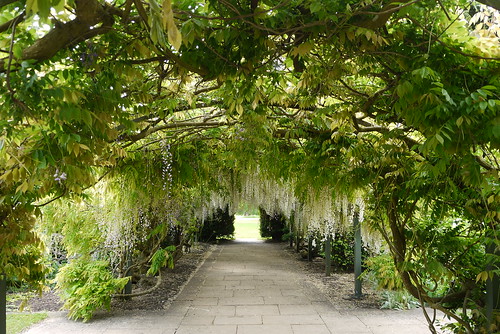

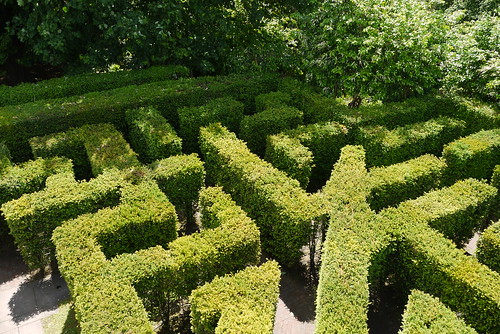
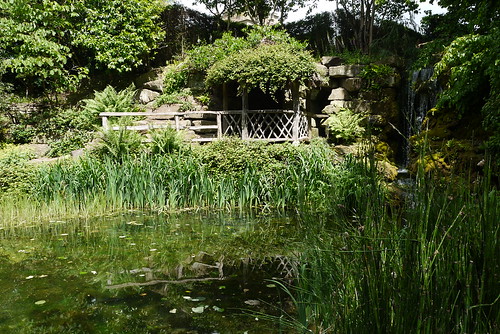
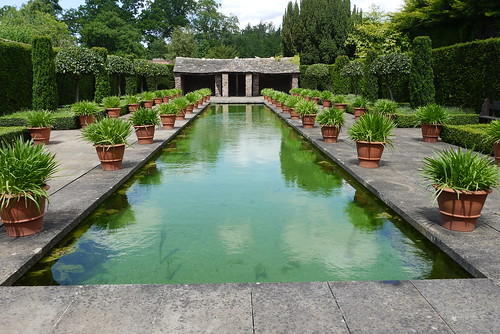
These photographs were taken during my visit in June. There a few photographs of the gardens in July on the Hampton Court website.
*From the Hampton Court promotional leaflet
18 Comments CherryPie on Jul 19th 2017
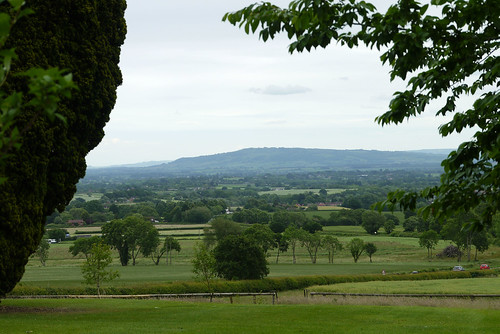
14 Comments CherryPie on Jul 18th 2017
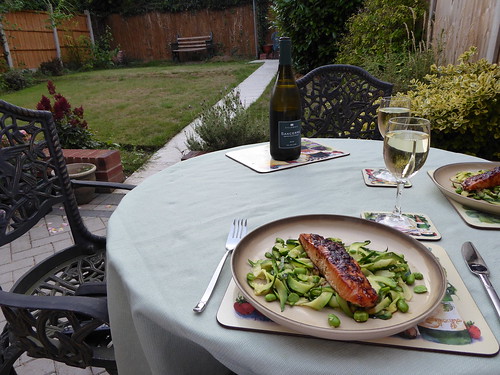
…leads to dinner on the patio 
12 Comments CherryPie on Jul 17th 2017