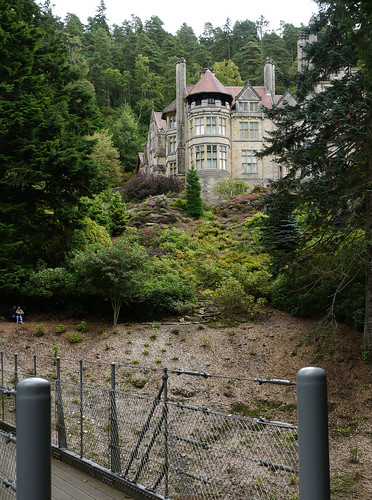
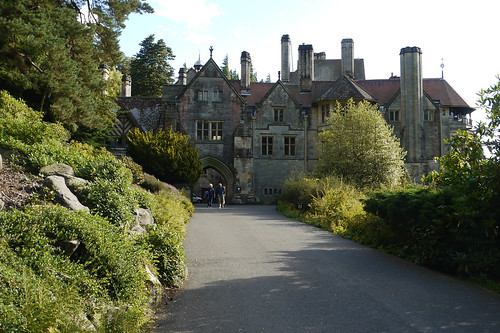
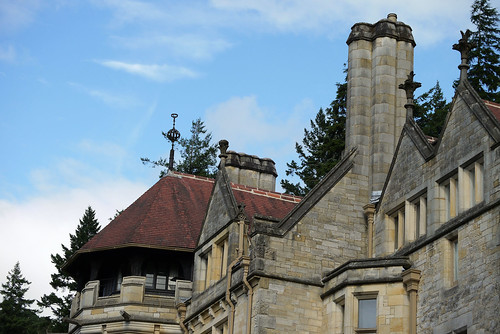
My previous post on the house at Cragside can be viewed here.
Random thoughts and photos of my journey through life…
14 Comments CherryPie on Feb 8th 2014
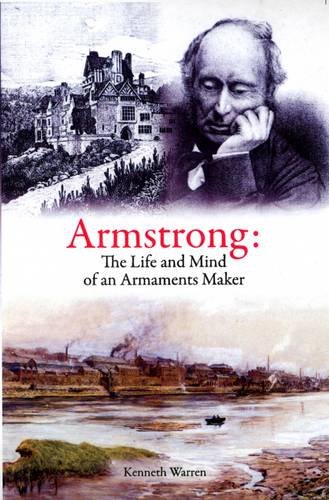 Synopsis (from book cover):
William George Armstrong was one of the leading and most successful of Great Britain’s nineteenth century engineers. At Elswick he began a career in mechanical and civil engineering, moving into armaments, and then on to naval and, at Walker, mercantile shipbuilding. In the later decades of the Victorian age his company was the only British firm comparable in size and range to Krupp of Essen, and by the end of his life Armstrong Whitworth was probably the largest industrial concern in Britain.
Armstrong possessed exceptional powers for concentrating on practical problems, and invaluable asset which he is said to have once summed up in the homely words: ‘Perseverance usually pays.” It brought him a distinguished reputation, high honours and great wealth. the last was used in large part to build a revolutionary house and estate, Cragside, set in magnificent gardens near Rothbury, in his native Northumberland. Cragside was the first house in the world to be powered by hydroelectricity. It is now part of the National Trust. To contemporaries his long career was a wonderful story of success. Even now his achievement seems exceptional, but whether it was good now looks much less obvious. Today we are disturbed by the contrasts between the peace and splendors of Cragside and the often blighted lives of his workers and their families in the drab terraced rows which once covered the slopes above Scotswood Road. Above all we are troubled by what, even during his lifetime, and still more shortly afterwards, resulted from the labours of this designer and manufacturer of weapons of war. This book explores these issues in the life of a fascinating but puzzling man.
Review:
For a long time I have been interested in the wide and varied engineering feats of Lord Armstrong. I am interested in the history of the armaments side of his inventions, but I felt the book was too focused on that side of his achievements and gives the impression that he promoted war.
I think that Armstrong’s developments of armaments would have been better portrayed if they were viewed in the perspective of how people thought in that era rather than putting modern day perspectives and retrospective thoughts/knowledge onto his achievements. He did not know about the wars that were shortly to follow his engineering feats.
All other sources I have read state that Armstrong was an advocate of peace and he developed the armaments to preserve that peace.
The book mentions the drab houses of the workers in comparison to the luxury of the Armstrong lifestyle, giving the impression that Armstrong should have done something better for his workforce. I find that train of thought rather naive, hard living (for the workers) was the reality of the times in those days and Armstrong had been thoughtful enough to provide adequate housing for his workers. He also developed labour saving devices for those who worked in his household.
I feel that the book glosses over the other amazing engineering achievements that Armstrong developed, including those labour saving devices for for the people who worked in his household. Armstrong was a many faceted man and in my opinion this book does not reflect that.
I did however find the book thought provoking!
8 Comments CherryPie on Feb 7th 2014
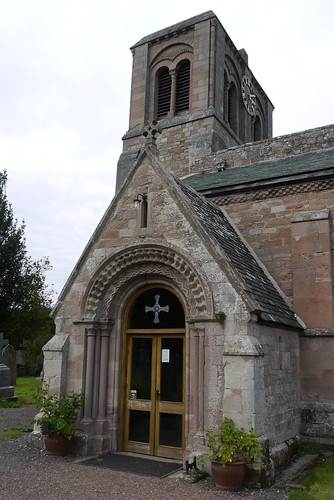
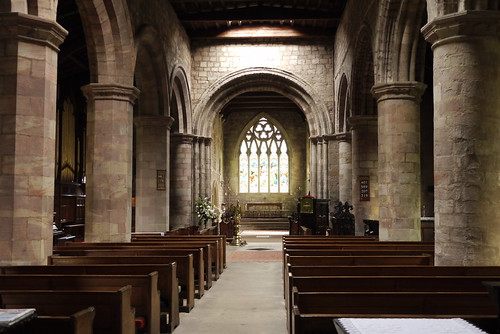
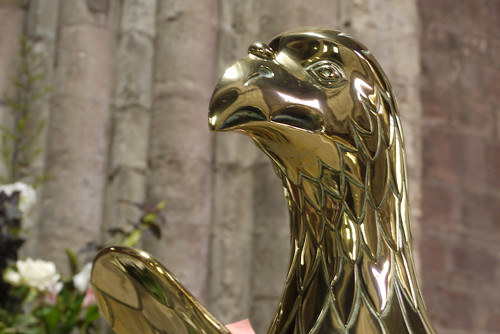
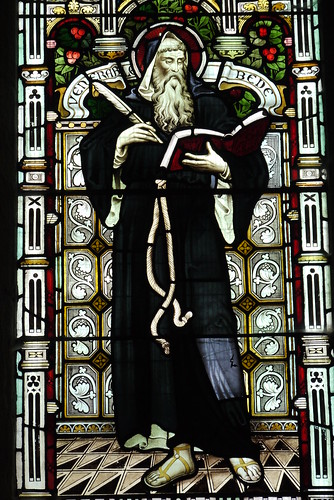
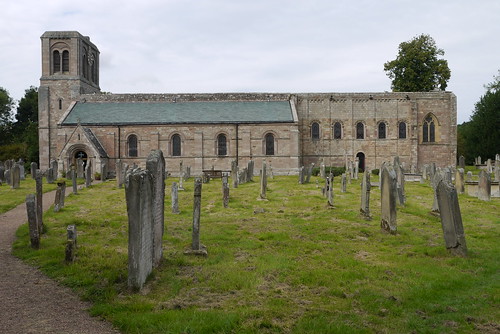
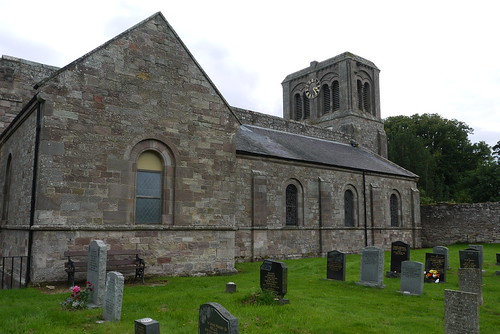
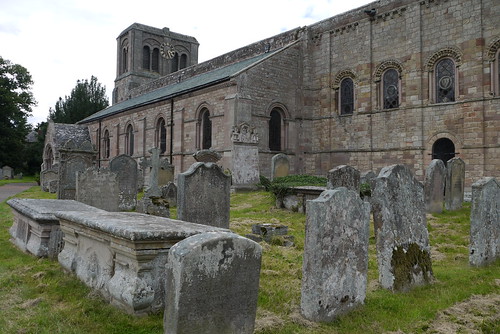
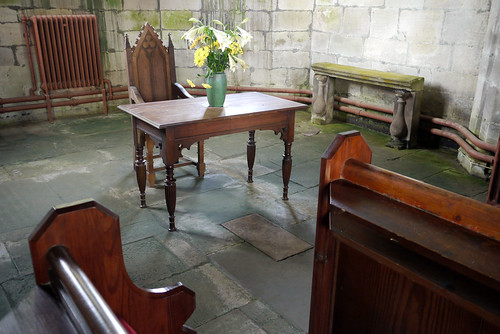
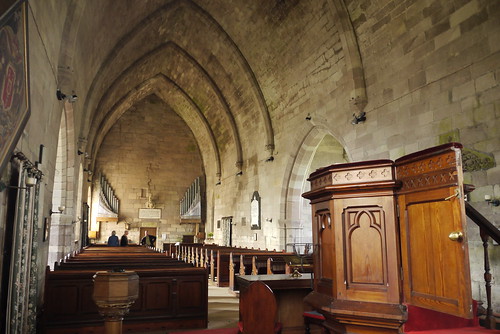
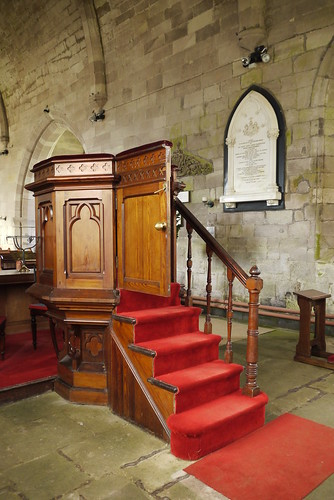
… St Cuthbert’s Church
18 Comments CherryPie on Feb 6th 2014

Filed under Faith Foundations, Heritage, Holidays, Newcastle & Crookham 2013
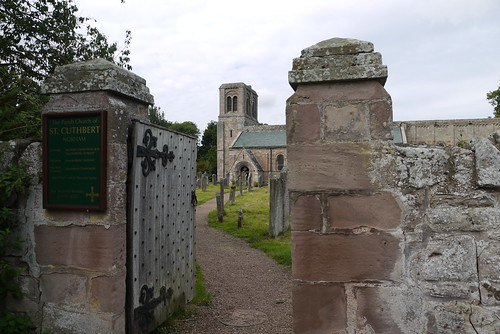
NORHAM is the place where St Aidan crossed the Tweed on his way from Iona to establish his monastery at Lindisfarne or Holy Island in A.D. 635.
It is said that when a stone church was built at Lindisfarne the wooden structure was transferred to Norham. the preaching cross on the village green may be on the site of this church.
The first stone church in Norham was founded in A.D. 830. The site of this church is probably to the east of the present church where there is now a clump of large yew trees in the churchyard.
Celtic stones found in the churchyard have been cemented into a square pillar which may be seen beside the fount. They include parts of more than one cross shaft as well as a cross head.
The coffin of St Cuthbert was brought from Lindisfarne to Norham in a A.D. 875 when Danish invaders were threatening the monastery (the burnt it shortly afterwards). After many wanderings the coffin was finally buried at Durham and the cathedral was built over it. The bones of ST Ceolwulph, King of Northumbria and later a monk, were brought from Warkworth and buried in the porch of the first stone church of Norham, which was dedicated to St Peter, St Cuthbert and St Ceolwulph. Later, Gosperic, first Earl of Northumberland, was buried in the same church.*
*From church information leaflet.
6 Comments CherryPie on Feb 5th 2014
Filed under Faith Foundations, Heritage, Holidays, Newcastle & Crookham 2013
10 Comments CherryPie on Feb 4th 2014
22 Comments CherryPie on Feb 3rd 2014
Reality provides us with facts so romantic that imagination itself could add nothing to them.
Jules Verne
21 Comments CherryPie on Feb 2nd 2014