Random thoughts and photos of my journey through life…
10 Comments CherryPie on Feb 15th 2014
10 Comments CherryPie on Feb 14th 2014
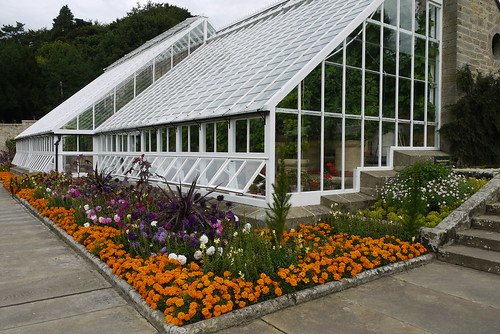
From the Cragside Garden Blog:
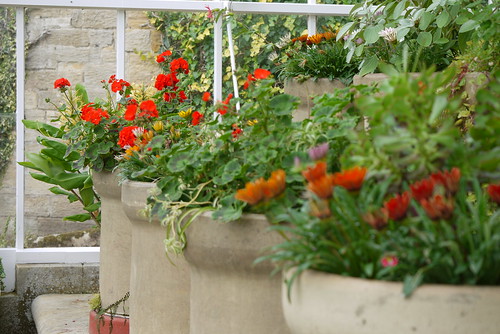
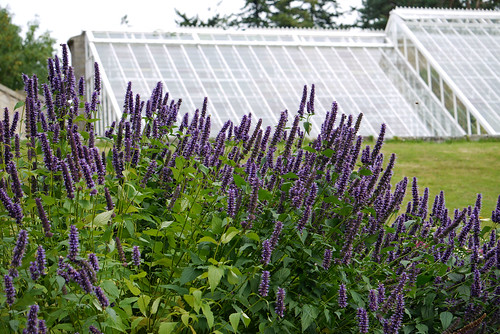
The Orchard House, we believe, was built circa 1870′s. We have no official documentation with regards to this but photos from around this time show the Orchard House and the old Top Terrace glasshouse range. However we believe that Lord Armstrong possibly designed the Orchard House and a company called Mackenzie and Moncur Hothouse Builders, Heating and Ventilating Engineers built the Top Terrace glasshouse range.
In 1993 the National Trust dismantled the original structure of the Orchard House and started the restoration. All of the metalwork was retained and approximately 10% of the glass has been reused. This has a slightly purle tint to it. The wooden framework is an exact replica of what was dismantled. In 1994 Sir David Bellamy came and placed the last finial on the top of the roof and officially opened the Orchard House.
14 Comments CherryPie on Feb 13th 2014

Whilst researching for some information to go along with this post I came across a new National Trust blog about the Cragside formal garden. The latest post on the blog shows a little tidy up operation on the clock tower view in my recent post.
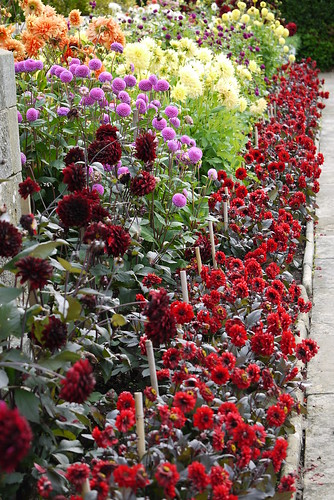
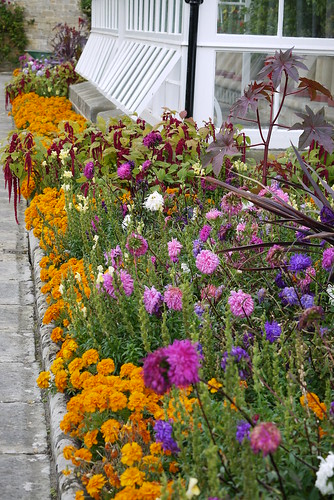
Here are some different views of the Dahlia Walk that I took in 2009.
14 Comments CherryPie on Feb 12th 2014
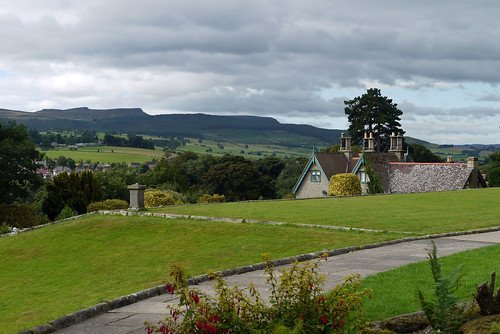
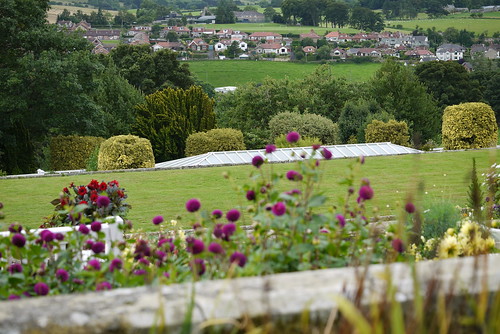
Rothbury as viewed from Cragside formal garden.
Rothbury is a small market town which straddles the River Coquet. The town has a pleasing mix of old stone and newer brick-built properties. Although technically a town with a proposal a year or so back to install a town mayor (defeated) everyone still tends to call it a village and it has a village feel about it. Shops, hotels and houses are clustered on the sloping banks of the river which bisects the village with the majority of the commercial properties situated on the north side. From all sides the views are magnificent – Cragside, Blaeberry Hill, Simonside, and in the far distance, the Cheviots.
Rothbury has something to offer throughout the year: In spring clear fresh air, fast flowing streams and crystal clear river. In summer a sheltered and warm central area,with a variety of small specialist shops.
Rothbury has had a turbulent and bloody history. In the fifteenth and sixteenth centuries the Coquet Valley was a pillaging ground for bands of Reivers who attacked and burned the town with terrifying frequency. Near the town’s impressive All Saints’ Parish Church stands the doorway and site of the seventeenth century Three Half Moons Inn. Follow the Heritage Trail for a deeper feeling for its history.
A mile to the east of the town lies Cragside, the first house in the world to be lit by hydro electricity. To the west you pass through some of the most exquisite and peaceful countryside in Northumberland. To the south is Simonside, the Sacred Mountain and to the north lie the bleak Alnwick moors.
12 Comments CherryPie on Feb 11th 2014
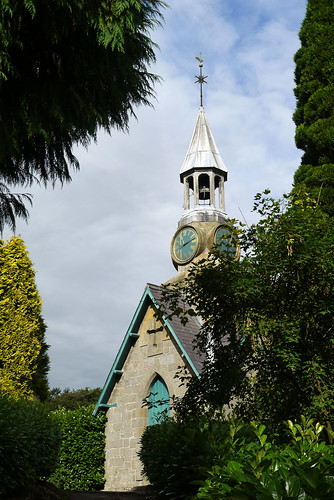
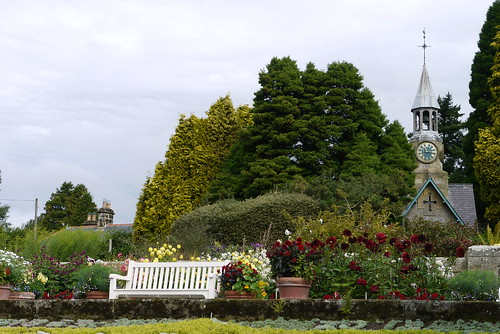
The clock tower is situated just above the Cragside formal garden. When I visit Cragside, I always visit the formal garden first. It allows me to enjoy it in relative quiet before most of the visitors arrive.
The clock tower originates from the 1860s and was the estate time piece and the pay office. Staff received their weekly pay in small, numbered, timber boxes about 4in (10cm) square. At the peak of construction there were more than 300 staff working at Cragside: gardeners, stone masons, carpenters, gamekeepers and labourers, all working a twelve-hour day. Under the watchful eye of William Bertram, the Estate Manager, this simple system ensured that all were properly paid. *
*From Cragside Garden Leaflet.
8 Comments CherryPie on Feb 10th 2014
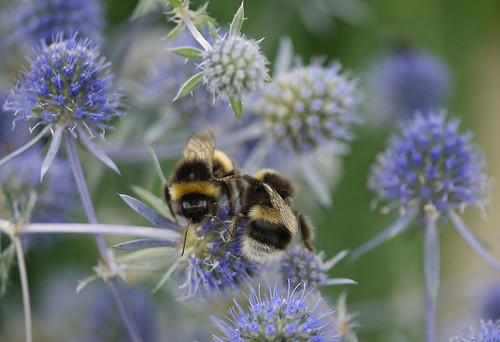
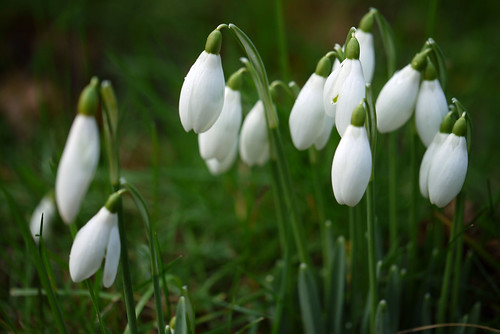
Nature will bear the closest inspection. She invites us to lay our eye level with her smallest leaf, and take an insect view of its plain.
Henry David Thoreau
14 Comments CherryPie on Feb 9th 2014