

Random thoughts and photos of my journey through life…

Filed under Carcassonne 2012, Faith Foundations, Heritage, Holidays
12 Comments CherryPie on Jul 4th 2012

21 Comments CherryPie on Jul 3rd 2012
Filed under Carcassonne 2012, Faith Foundations, Heritage, Holidays

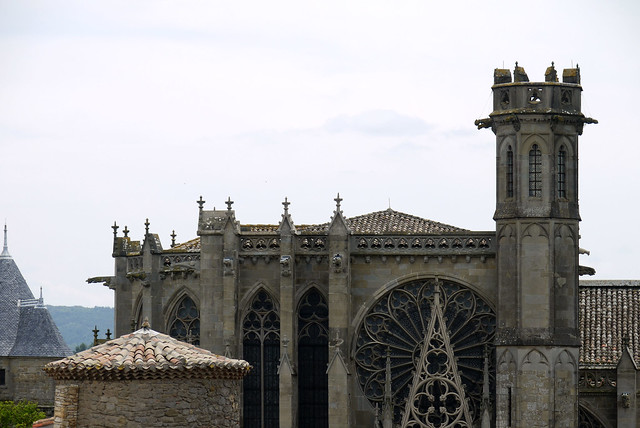
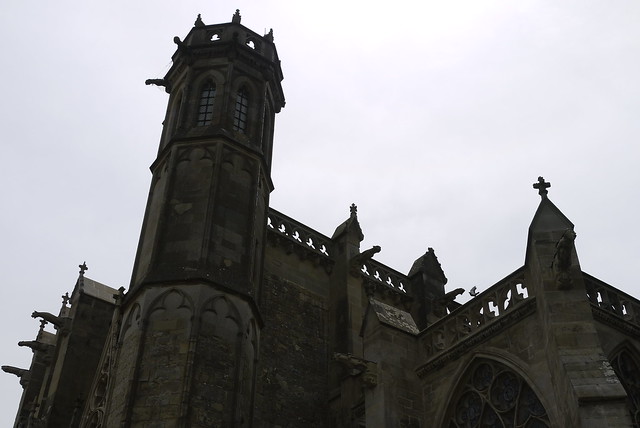
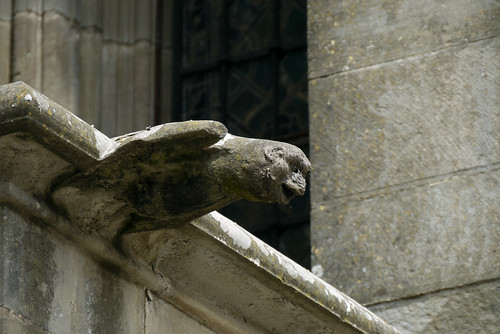
The Basilique Saint-Nazaire-et-Saint-Celse de Carcassonne was formerly the cathedral of Carcassonne. In 1801 it was replaced by the present Carcassonne Cathedral (Cathédrale Saint-Michel de Carcassonne).
6 Comments CherryPie on Jul 2nd 2012
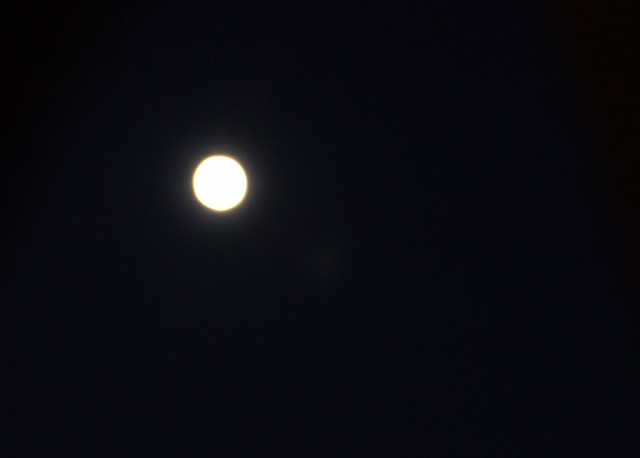
Even after all this time, the sun never says to the earth, ‘You owe me.’ Look what happens with love like that! It lights the whole sky.
Hafez (1315 – 1390)

16 Comments CherryPie on Jul 1st 2012
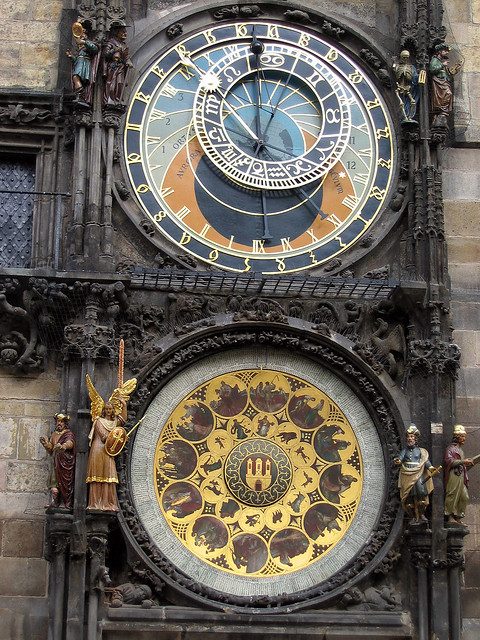
This year’s leap second—the 26th to be added to UTC since 1972—exists because time was traditionally based on a full rotation of the Earth and was related to heavenly bodies, which defined the length of the day.
This rotational time, called UT1, divides the day into 86,400 seconds.
But the atomic era demanded more exact timekeeping, and the world began doing business by UTC in 1972.
The two time scales, though, aren’t quite in sync, because Earth spins a bit slower each year due to tides and internal processes that create a gap between the two scales.
The International Earth Rotation and Reference Systems Service monitors this difference and periodically inserts a leap second to keep the two in tandem.
The difference between atomic and rotational time is tiny—only an hour or so every thousand years.
But the leap second causes a host of timekeeping issues, because no clock can accommodate an extra second.
It probably seems a little trivial to bother about seconds and put so much effort into correcting the slight anomaly, but…
“for the stock exchange, one second is important. For an airport, one second is important. For global navigation satellite systems, the difference of a second is unacceptable.”
Navigation systems work by measuring the time it takes a signal to travel between a known satellite location and a receiver. Such systems require extreme precision on the level of nanoseconds, or billionths of a second.
16 Comments CherryPie on Jun 30th 2012
12 Comments CherryPie on Jun 29th 2012