… St Brandon’s Candles

During the first COVID-19 lockdown, a member of St Brandon’s Prayer Team envisioned a candle of hope as a focal point for visitors to the church.
With no end to the pandemic in sight, there was a need for both hope and peace. Remembrance Sunday and Christmas offered a reason to create a second candle with peace at its centre.
The final three candles are a triptych, inspired by the final verse of the familiar passage in 1 Corinthians 13: ‘Now faith, hope and love abide, these three; and the greatest of these is love’.
The colours chose themselves: faithful green; yellow for hope; and the ubiquitous red for love.

Tags: Brancepeth, Brancepeth Church, Durham, Vacation

The outside of St Brandon’s looks like many other English churches and I was surprised at what I saw when I stepped inside. The interior is stunningly beautiful but modern in contrast to the exterior. I learned that this was due to a devastating fire that almost completely destroyed the church.

In 1998 raging fire devastated the interior of thousand-year-old Saxon church St. Brandon’s in Brancepeth, England. Temperatures reached 1200° Celsius at the height of the conflagration, melting the lead from the roof and virtually vaporizing the beautifully carved wooden interior.
The massive oak beams from the roof were the only remaining wood, and they too were so charred they may or not be datable via dendrochronology (tree ring dating).


St Brandon’s is the Parish church serving Brancepeth village and the surrounding area. It is set in the beautiful village of Brancepeth some six miles south west of Durham City. The church building has over 900 years of history, including its recent stunning restoration after a devastating fire in 1998. The now modern interior contains a display of one of the largest collection of medieval grave slabs in the north of England (discovered during the restoration) which bear a variety of beautiful cross designs.


- History of the village of Brancepeth can be found here.
Tags: Brancepeth, Durham, The Parish Church of St Brandon, Vacation
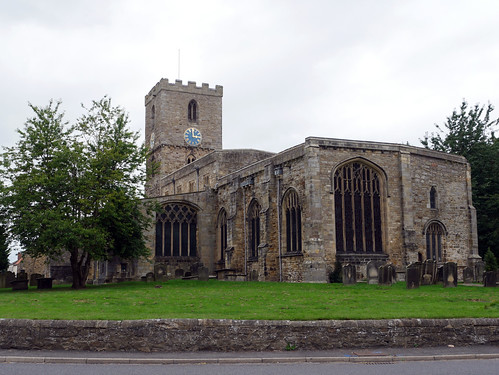
St. Mary’s, formally dedicated to St. Gregory is over 1200 years old and sometimes referred to as ‘The Cathedral of the Dales’.
“Nestled in the valley between Bishop Auckland and Barnard Castle on the main A688, Staindrop has been described as “quite simply one of the prettiest villages in County Durham.” It stands as one of the gateways into Teesdale, with its long village greens making it a typical rural Durham village. The village is also one of great antiquity with some evidence of neolithic activity, but it gained importance in the time of King Canute when he gave his manor at Staindrop and its surrounding ‘appendages’ (hamlets and houses) to the newly founded priory at Durham Cathedral in 1031.”
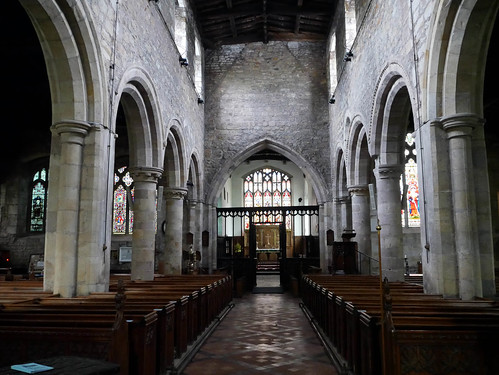
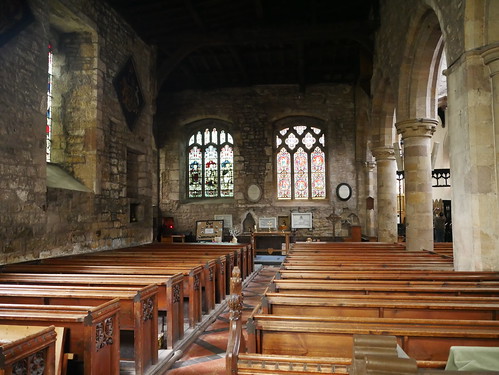

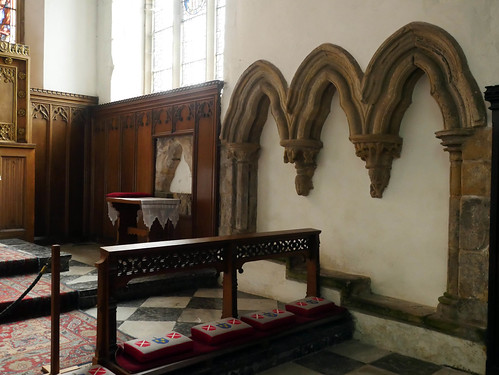
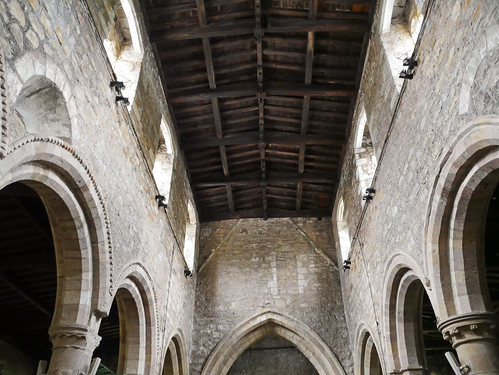
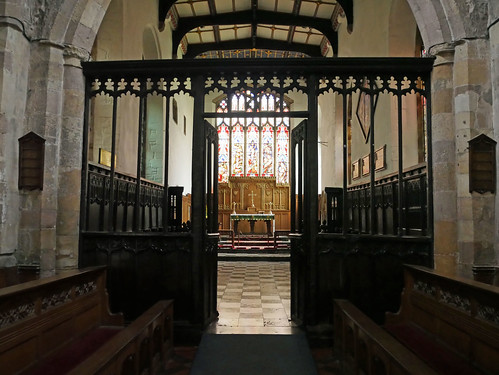


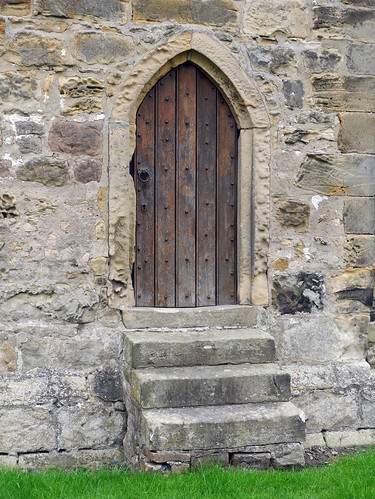


“The church itself stands at what was once the Easternmost end of the village next to the Langley Beck, just past the magnificent Raby Castle.
It is a mediaeval gem, based on an 8th Century Saxon foundation with some of the earlier Saxon churches incorporated into the ‘newer’ building.”

Tags: Durham, St Mary's Church, Staindrop, Vacatuib

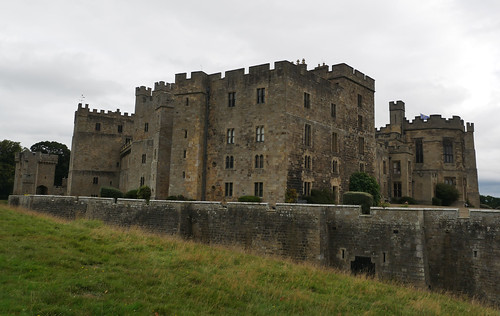
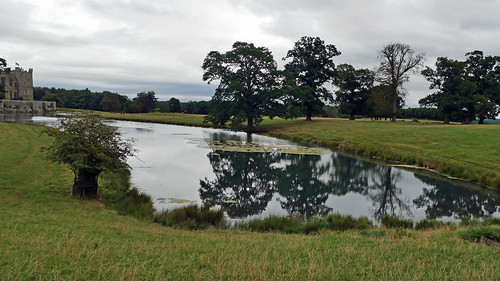
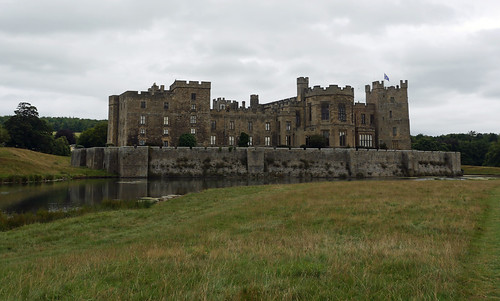
Raby Castle was built in the 14th century by the Nevill family. It was home to Cecily Nevill, mother of two kings of England, it was also the scene of the plotting of the Rising of the North and a Parliamentary stronghold during the Civil War.
Originally moated and accessed via a drawbridge, the Castle was built as a palace fortress. It is characterised by a sequence of massive towers linked by curtain walls. It’s completeness is of national significance as a largely single-phase structure, with one twelfth century survival (Bulmer’s Tower).
The Nevills, responsible for building the 14th century Castle which still stands today, continued to live at Raby until 1569 when, after the failure of the Rising of the North, the Castle and its lands were forfeited to the Crown. The 6th Earl of Westmorland was the last of the Nevills to live at Raby Castle.
He fled from Raby in 1569 after The Rising of the North and died in exile in Holland in 1601.
In 1626, Sir Henry Vane the Elder, Member of Parliament and important member of Charles I’s household, purchased Raby from the Crown. The Vane family still own Raby, the present owner being the 12th Lord Barnard.


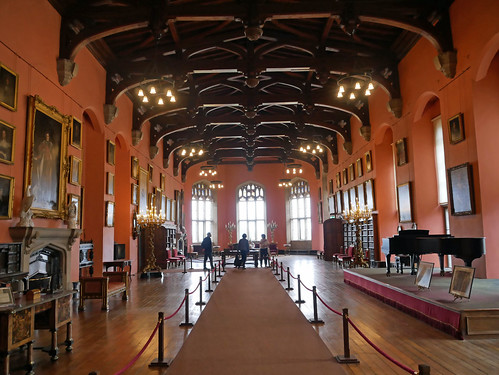
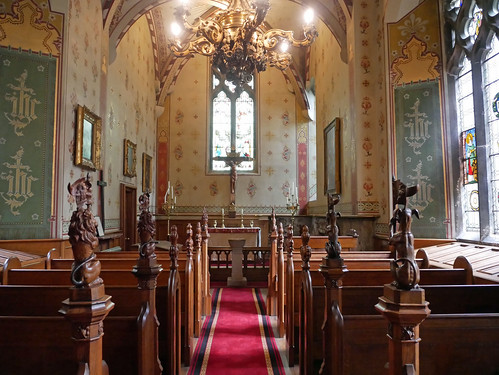
Tags: Chapel, Darlington, Durham, HHA, Historic Houses, Staindrop, Vacation

Today was the first outing for my new (reversible) skirt from Skirt Fanatic. I was all dressed up to visit my mum for a fish and chip supper for her birthday. I am looking forward to wearing it with its detachable pocket and sandals on summer walks.

My skirt was a joy to unwrap, it arrived beautifully packed with love and attention to detail.


Tags: Birthday Celebrations, Cherie's Place, Happy Birthday, Portrait, Skirt Fanatic