For several months my compact camera has intermittently malfunctioned in several ways. One of the irritating features was when I pressed the zoom function it started video recording instead. On my recent walk in Shrewsbury the zoom function failed completely.
I take pleasure in photographing what I see when I am out and about and although I have my larger ‘mirrorless’ camera that is not convenient on every adventure.
I was reluctant to choose the same make camera that had failed, it is the second that has failed me and Mr C’s camera of the same make (and model) recently stopped functioning properly. I settled on a Canon G7X MkII and searched for the cheapest option from a reputable supplier. I was surprised to find a kit including the camera, memory card and flexible mini tripod had recently been reduced. It was cheaper than buying the camera on its own. A bargain not to be missed!
My planned afternoon walk in the sunshine testing out my camera didn’t go according to plan, I ended up with a quick walk along a local pathway as the sun was setting. I am happy with the quality of the images and I am reminded why I always loved Canon cameras.


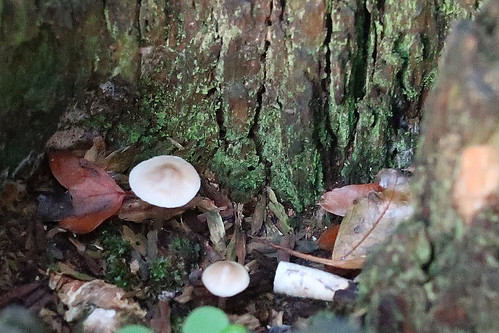
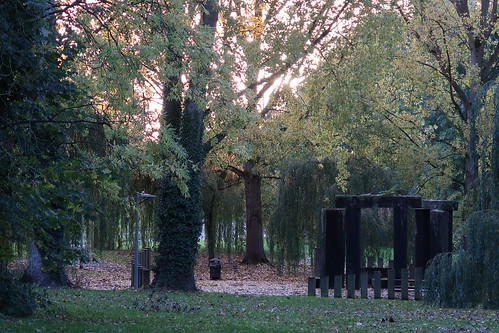
I now have to get to grips with the menu system so I can fine tune my photographic ideas.
Tags: #walk1000miles, #Walk1000miles2021, Canon, Canon G7X Mark II, G7X Mark II, G7X Mark II Vlogger Kit, Hadley Locks, Leegomery Pool, Panasonic, Panasonic Lumix, Panasonic TZ60, Shropshire

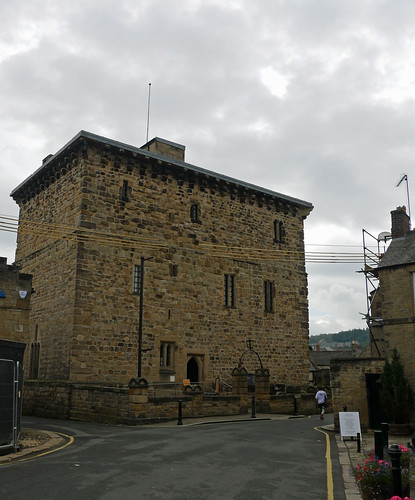
This Gatehouse guarded the Hall of the Archbishops of York. They were Lords of the Manor of Hexham for nearly five hundred years until 1545.
These were troubled times on the Scottish Borders. This late mediaeval tower was heavily fortified with three sets of doors, overhanging parapets and murder holes. In the first-floor courtroom the Archbishop’s Bailiff administered justice. From the raised dais he heard pleas, settled disputes, delivered judgments and consulted with tenants.
In later centuries the gatehouse became the setting for the Quarter Sessions of county magistrates and for meetings of the town’s Borough Courts.
Since then it has been known as the Moot Hall.*
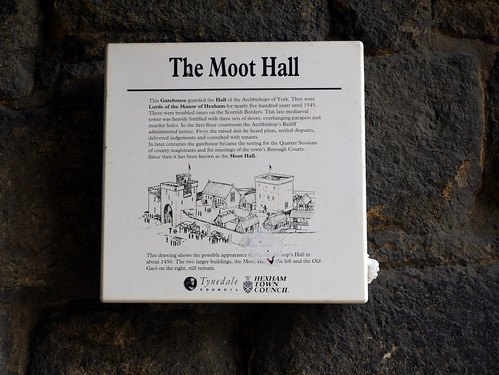
*Information taken from a signboard located on The Moot Hall
Tags: Hexham, Moot Hall, Northumber- land, The Moot Hall, Vacation
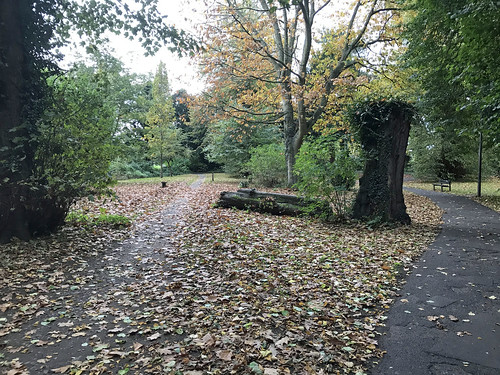
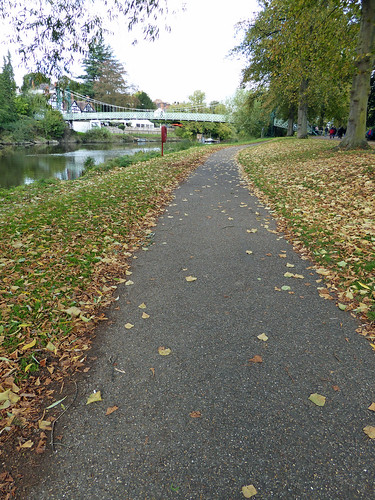
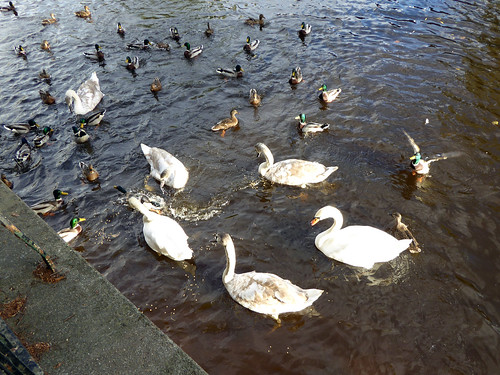
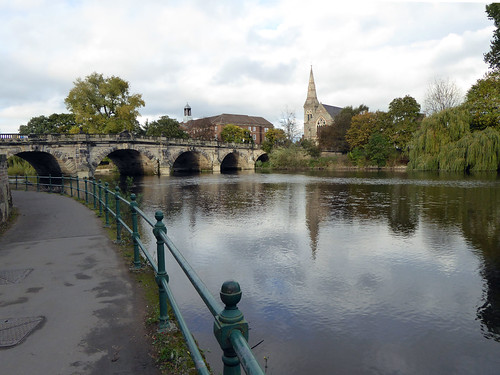
I walked one of my local routes to see if it was completely accessible for less mobile walkers and pushchairs. There is one small portion of the pathway that I am not sure about. The walk is on the level but the pathway is uneven for a short stretch of the way.
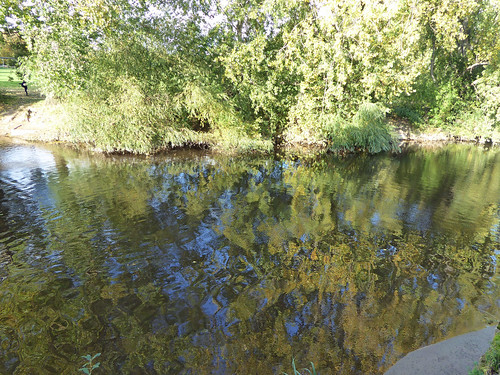
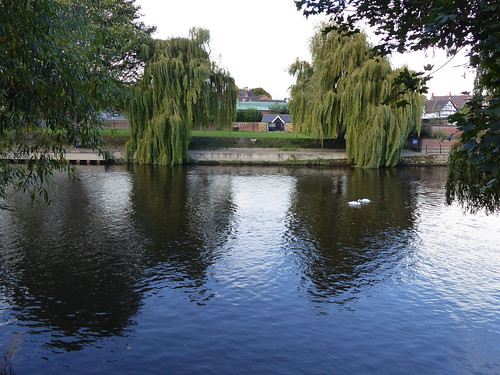
These are some of the views I saw along the way.


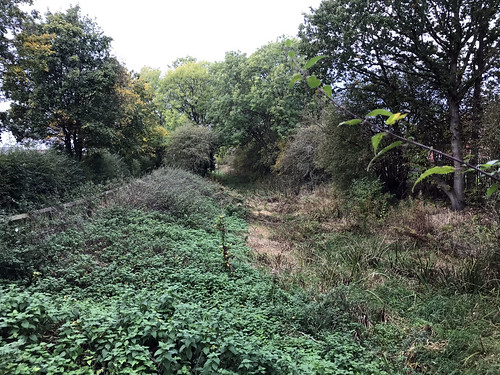
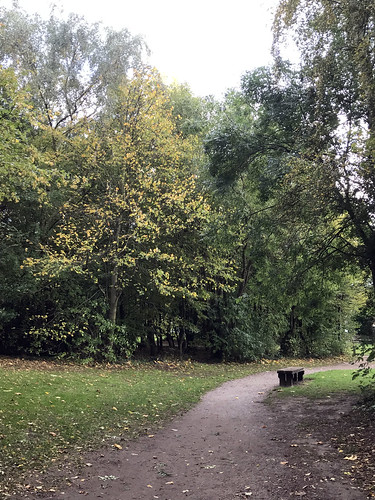
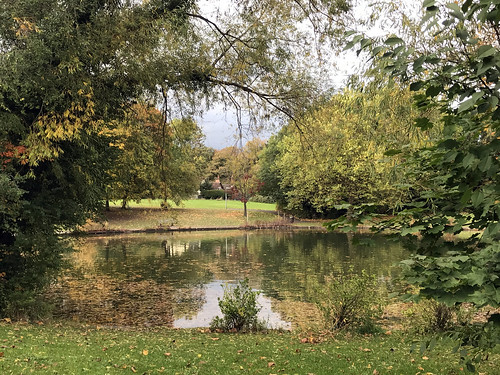

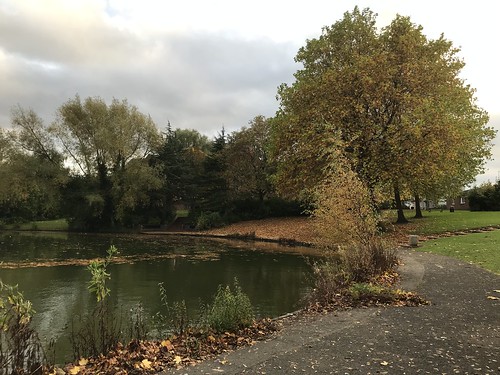
Tags: #walk1000miles, #Walk1000miles2021, Hadley Locks, iPhone, Leegomery Pools, Shropshire, Telford, Walk n Talk Ladies
“In June 1330 the Archbishop of York, Lord of the Manor of Hexham, ordered the building of a prison in Hexham. Many of the stones came from the Roman ruins at Corbridge. Two years later it was furnished and equipped with chains and manacles. A barber, John of Carwood, was the first gaoler.
Prisoners were kept in two underground dungeons. Those awaiting trial by the Bailiff’s Court were held in upper rooms. These were reached by a spiral staricase lit by tiny windows.
In 1824 the building ceased to be used as a prison. Later a new central staircase was built and the room layout was altered for the use of the Stewards of the secular Lords of the Manor. The building became know as the Manor Office.”*
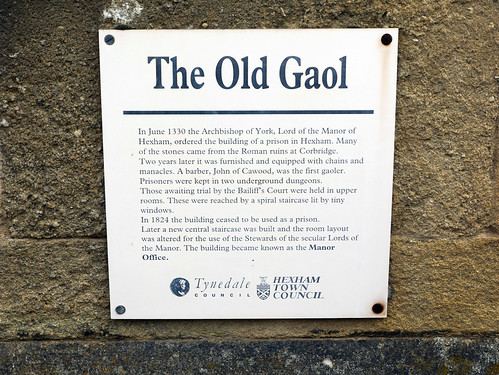
*Information from a signboard outside the gaol
Tags: Hexham, Northumber- land, The Old Gaol, Vacation

It is known that a church has existed here since AD 737. King Ceowulf of Northumbria gave the village – then “Wercewode” – and the Church of St Lawrence to the monks of Holy Island. Northumbria bore much of the brunt of the early Viking raids. Holy Island itself was reputedly the first victim in AD 793 and this first, almost certainly wooden, church at Warkworth surely perished during that period. The beach near the mouth of the Coquet at Amble is still known as Birling – the Danish for longships.
A stone church replaced it and the altar was underneath today’s chancel arch. There are no visible remains of this church. It was built between 1132 and 1140, at around the probable time of the first motte and bailey castle built here by Henry, son of King David of Scotland in around 1139. There is no certainty in any of this.
The nave and chancel are more or less unchanged since that time. The lower levels of the west tower as far as the belfry were added in around 1200. The belfry and the spire were added in the fourteenth century. It was not until the fifteenth century that the fabric of the Norman church was tampered with through the addition of a perpendicular style south aisle and arcade. A south porch with a parvise room above was added at the same time and, is so often the case, this parvise room became in time the home of the village’s first school. The south aisle had a clerestory that was removed during restoration in 1860 when the original nave and chancel rooflines seem to have been reinstated. The church has needed considerable buttressing over the centuries and one might speculate that the clerestory was removed to reduce the weight of masonry bearing down on the side walls. A pre-restoration etching also shows a perpendicular style window at the south west of the chancel and this has been restored to a Norman profile that matches the original window to the east of it. The east window was also in the gothic style and has been replaced by a Norman style triple lancet arrangement. A circular window was built into the gables of both the chancel and the nave. Thus, rather remarkably, the church now looks more Norman than it did for half a millennium!
The nave is the longest Norman nave in Northumberland. It still has its original windows on the aisle-less north side. The west wall was the original extent of the church prior to the later addition of the tower. It is a fine Norman composition. The chancel arch too is original Norman. Like the rest of the church – indeed, like most Norman work in Northumberland – it is rather austere with none of the riots of chevron mouldings, beakheads and extravagantly carved capitals that adorn many Norman chancel arches elsewhere. There is a course of palmette carvings and and another of pellet moulding. It is the chancel itself, however, that is the gem of this church. The ceiling comprises two separate quadripartite vaults, each with ribs richly adorned by zig-zag moulding.
More details can be found in the Church guide or Great English Churches.


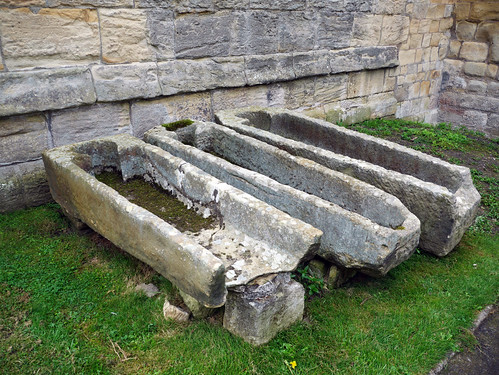

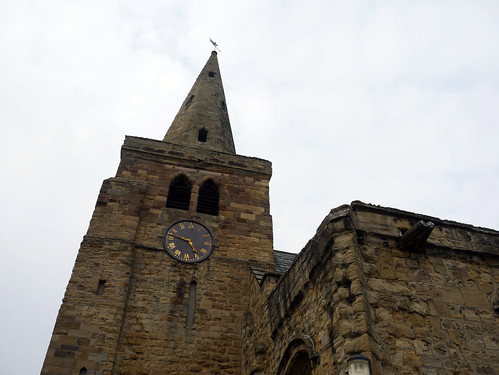
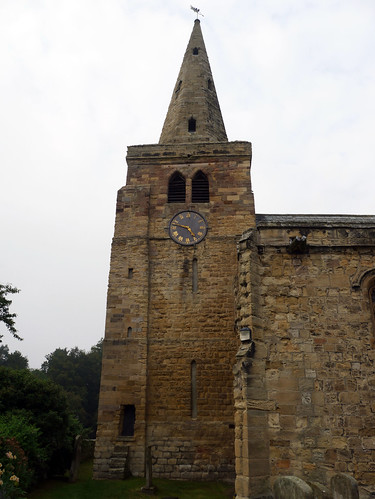
Tags: Church, St Lawrence Church, Vacation, Warkworth, Warkworth Church
The big question is whether you are going to be able to say a hearty yes to your adventure.
Joseph Campbell

Tags: Adventure, Cherie's Place Thought, Tal Y Llyn, Vacation, Wales