More on my lockdown ‘Birthday Adventures’ coming soon…
Random thoughts and photos of my journey through life…
More on my lockdown ‘Birthday Adventures’ coming soon…
8 Comments CherryPie on Nov 6th 2020

The medieval cross base, known as the ‘Weeping Cross’, would appear to be a unique survivor of many such crosses in England. The place name ‘Weeping Cross’ still exists in Stafford, Banbury and Shrewsbury but no physical evidence remains. The age of this ancient and venerable relic is not known. It is certainly as old as the church, and perhaps much older if it was brought from the ’sinking chapel’ site. There is no cross now, but the socket where it fitted is clearly seen in the top of the upper stone. Iconoclasts may have removed the original cross (possibly a crucifix) at the time of the Reformation.
The manner of which the ‘Weeping Cross’ was used has been a subject of considerable debate among antiquarians. The Shrewsbury cross is known to have been the focus of a procession of the Blessed Sacrament by the monastic and secular clergy on the Festival of Corpus Christi, before the celebrations of the Holy Eucharist took place at one of the neighbouring churches. After the Reformation, the festival became secular and later an annual fair. The Ripley cross being located close to a church may have had a similar role in pre-Reformation times. The eight recesses, most likely for the head of kneeling devotees, would tend to support the idea of such group usage.
The term ‘weeping cross’ also seems to indicate the expression of grief, remorse or repentance. This may relate to the death of Christ and the Festival of Corpus Christi. However the public expression of such emotions in atonement for sins or crimes was not uncommon in medieval times and may be an alternative explanation. *

Since the leaflet was written a simply wooden cross has been placed has been placed on top of the stone.
*Information from a church leaflet – A Short History of All Saints’ Church Ripley
4 Comments CherryPie on Nov 2nd 2020


4 Comments CherryPie on Nov 1st 2020

A quiet village just north of Harrogate, with a magnificent stately castle, surrounded by lovely gardens and parkland. Ripley Castle and All Saints Church face each other across the village’s cobbled square. The church contains the tombs of several of the Ingilby family, who’s descendants still live in the castle today. Within the churchyard is one of the few remaining ‘weeping’ crosses in Britain – a pedestal with a hole in the top for the reception of a larger cross and surrounded by small recesses where penitents could kneel in certain discomfort.


I will share more information and photos of the church in my next post.
2 Comments CherryPie on Oct 29th 2020

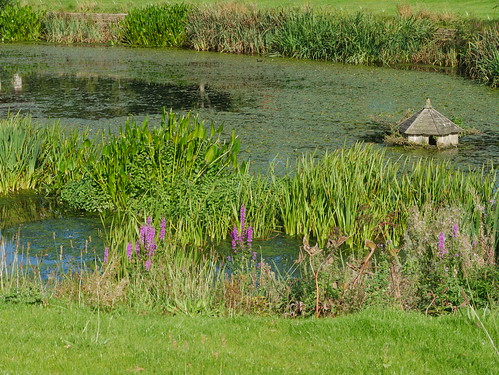
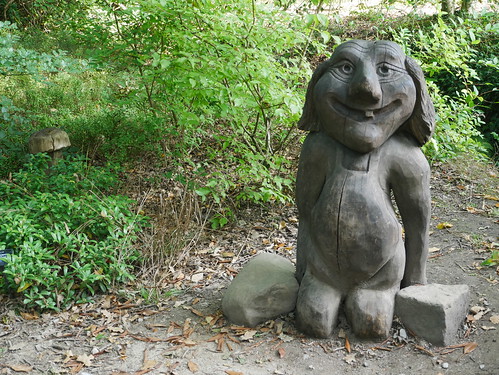
One of Yorkshire’s most relaxing and innovative gardens at the gateway to the Yorkshire Dales, RHS Harlow Carr is a showcase of horticultural excellence all year round!
Wonder through the tranquil surroundings of this stunning 58 acre garden and gain ideas for your own borders, or simply relax with family and friends on a leisurely stroll.

Find year-round inspiration along the dramatic Main Borders where the RHS experts have chosen contemporary planting to suit the challenging growing conditions.
Pick up the latest tips and growing techniques in the beautiful Kitchen Garden, where raised beds, fruit trees and a forager’s garden have been laid out with thoughtful design and ornamental aspects to create a truly unique and inspirational growing space.
Saunter along the lush Streamside Garden, unearth hidden treasures in the Woodland and take glorious deep breaths in the magical Scented Garden, with its focus on roses.






6 Comments CherryPie on Oct 28th 2020

Harrogate’s Grade II listed, award wining garden was originally simply a footpath beside a stream from the Royal Pump Room to Bog Field where there are thirty-six different mineral wells. Valley Pleasure Grounds were opened in 1887. The gardens were extended by the purchase of ‘Collins Field’ in 1901 creating an area of 17 acres.


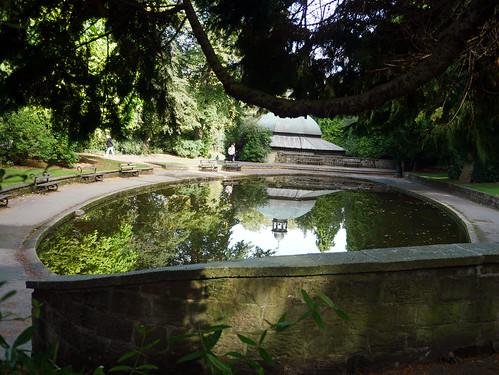


Behold Bogs Field, a wonder of the natural world where a greater number of unique mineral sprigs come to the surface than at any other known place on Earth! 36 of Harrogate’s 88 mineral wells are found here, of which no two are alike. The waters are Magmatic or Plutonic in origin, having never existed as rain, and have flowed deep beneath the earth for 20.000 years before surfacing through vertical shafts in the strata. Know in C15 as Sauerkeld or Sour Springs, Bogs Field was investigated and developed by the Victorians who piped the mineral waters to the Royal Bath Hospital and to the Pump Rooms and Baths of Low Harrogate.*

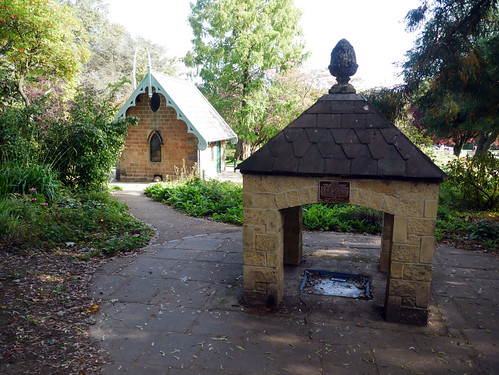


*information from a sign in Valley Gardens
2 Comments CherryPie on Oct 28th 2020