The holy passion of friendship is of so sweet and steady and loyal and enduring nature that it will last through a whole lifetime…
Mark Twain
Random thoughts and photos of my journey through life…
The holy passion of friendship is of so sweet and steady and loyal and enduring nature that it will last through a whole lifetime…
Mark Twain
6 Comments CherryPie on Mar 3rd 2019
In May last year I committed to a walking challenge of 10000 steps per day for 50 days:
I know there are some days, that I will not be able to achieve that step count in a day. When I am travelling long distances in a car to meet up with family or go to a holiday destination, that step count will be challenging and unlikely to happen.
My own personal goal is to achieve on average over 10000 steps per day over the 50 day challenge which started 14 May 2018.
I successfully completed my goal:
There were only two days when I couldn’t achieve this. I had factored those days in and had steps in the bank to cover the shortfall. The two days were when I was travelling down south for a family gathering before we embarked on our travels in Chichester for a week.

I recently came across the Country Walking magazine 2019 challenge of walking 1000 miles in a year. I was ready for a new challenge to focus on. To achieve 1000 miles in 365 days I will have to walk approximately 7300 steps each day. If I really put my mind to it and walk 10000 steps each day I will reach the 1000 mile goal by the end of 2019.
My commitment is to try and achieve the 1000 in 365 days starting on 1st March 2019.
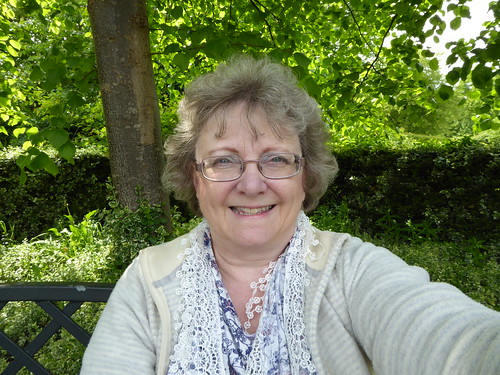
The first photograph was taken on one of my first walks of last years walking challenge. The second photo is taken in the same place a few days before I embark on my new challenge.
14 Comments CherryPie on Feb 28th 2019

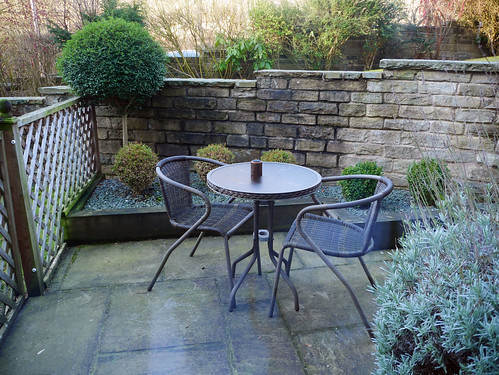
I have only just got round to organising and editing my photographs from my recent Valentines break at Shibden Mill in Yorkshire.
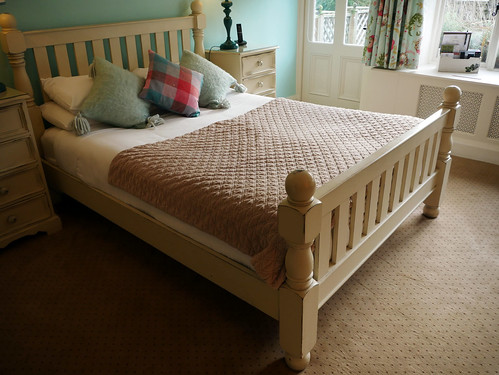
My holiday anecdotes are coming soon, but for now enjoy our room with a patio.
8 Comments CherryPie on Feb 27th 2019
Keep me as the apple of the eye, hide me under the shadow of thy wings.
Psalms 17:8

4 Comments CherryPie on Feb 24th 2019
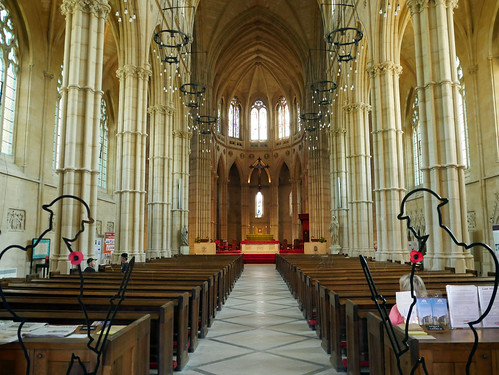
Arundel took part in the ‘There but not there’ national commemorative project by installing 93 silhouettes representing Arundel’s ‘Roll of Honour’.
The project’s aims were simple:
Commemorate those who died in the First World War through installations of silhouettes and Tommies wherever there is a Roll of Honour.
To Educate all generations, particularly today’s younger generation, born nearly 100 years after the outbreak of WW1, to understand what led to the deaths of 888,246 British and Commonwealth service personnel.
Heal today’s veterans who are suffering from the mental and physical wounds of their service by raising substantial funds through sales of our Tommies,
8 Comments CherryPie on Feb 21st 2019
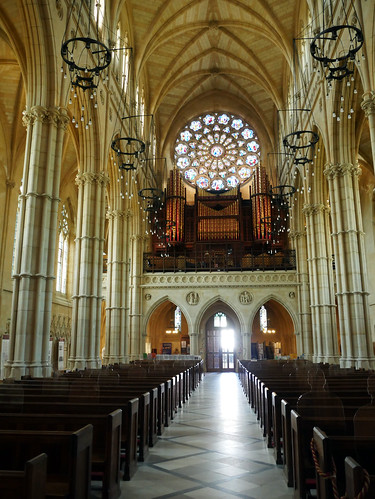
…The Cathedral of Our Lady and Saint Philip Howard
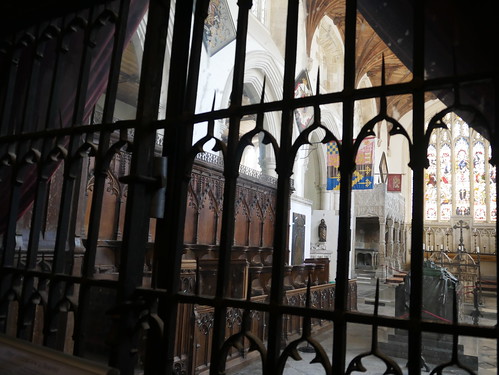
My previous posts explained what happened to the Arundel church building after King Henry VIII parted from the Church of Rome and declared himself Head of The Church of England. Despite Henry’s actions Catholic missionary priests were able to continue their teachings in Arundel:
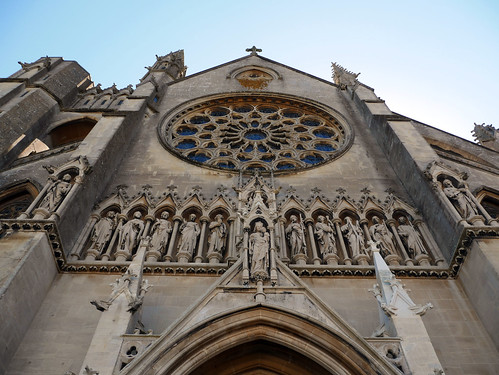
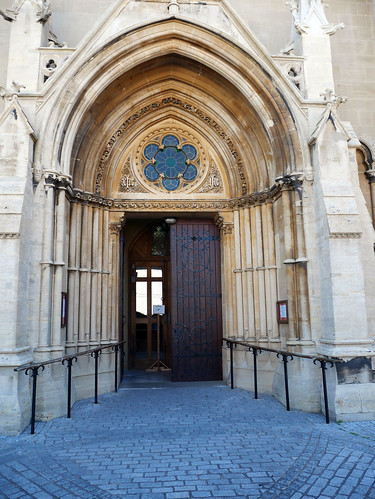
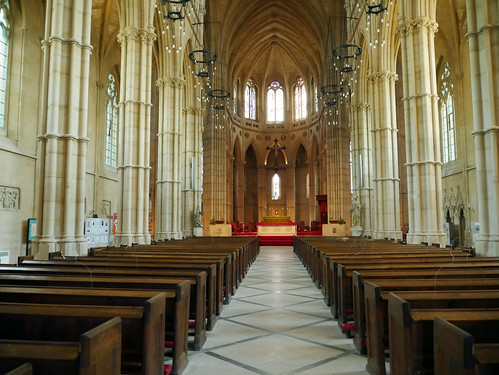
The reign of King Henry VIII saw traumatic change with the dissolution of the monasteries and religious houses. In 1544 the College was dissolved and in 1558 the old Catholic hierarchy came to an end. It was from this time until 1748 that Arundel was served in secret from Slindon House, in a neighbouring parish, where missionary priests were provided by the Kemp family. From 1748 there commences list of reinstated Catholic chaplains who served the domestic chapel which had been reinstated in Arundel Castle; they also served the Catholic population of Arundel until 1850, when the Catholic hierarchy was re-established and a rector of the parish appointed once more.*
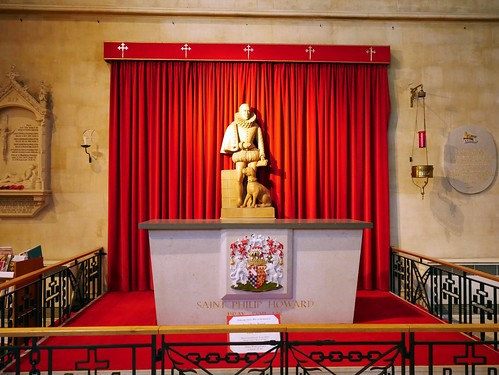
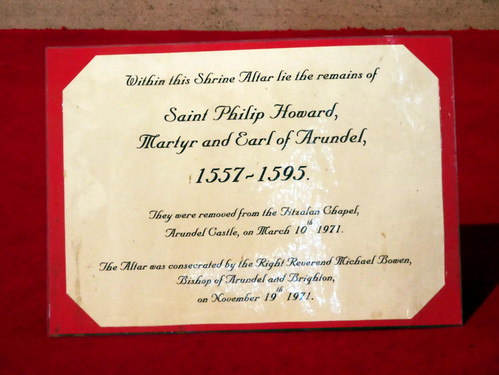
The old chapel of the College throughout all these vicissitudes remained in Catholic hands; it is now called the Fitzalan Chapel and is where Requiem Masses are still offered for the founder of the Cathedral and all those buried in its vaults. It forms the chancel of the old parish church and, despite the sorrows of the Reformation, it is an enduring witness to Catholic continuity. Although divided from the now Anglican Church by a 14th-century grille and latterly a glass screen, this in no way implies a division in faith, but rather a protection of the privacy of what has always been a private chapel. It was from this chapel in 1971 that the mortal remains of St Philip Howard were brought to be enshrined in the cathedral which now proudly claims him as patron.*
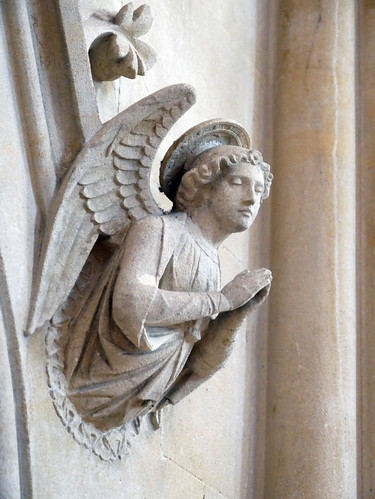
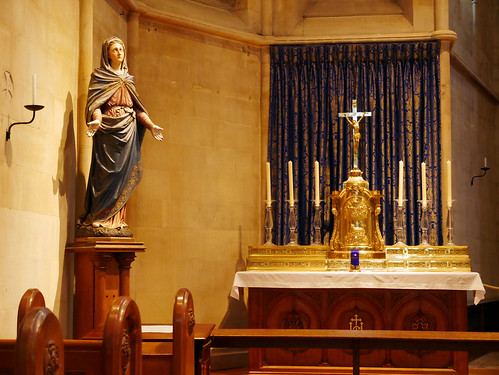
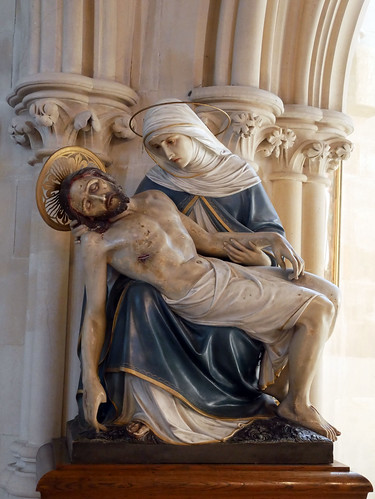
This great church owes its existence to the generosity and foresight of Henry, 15th Duke of Norfolk, the Earl Marshal, who commissioned the building in 1869. The architect was Joseph Aloysius Hansom.
The church opened on the 1st July 1873 as the Catholic Parish Church of Arundel. It was originally dedicated to St. Philip Neri but when the Diocese of Arundel and Brighton was created in 1935 the church became the Cathedral of our Lady and St. Philip. In 1971 the remains of the martyred 13th Earl of Arundel, St. Philip Howard (1557-1595) were enshrined in the Cathedral and the dedication was changed to the present one of Our Lady and St. Philip Howard.**
* From the Arundel Cathedral guidebook
** From a welcome message on entry to the Cathedral
14 Comments CherryPie on Feb 20th 2019

Filed under Faith Foundations, Heritage, Holidays, Kent & Chichester 2018
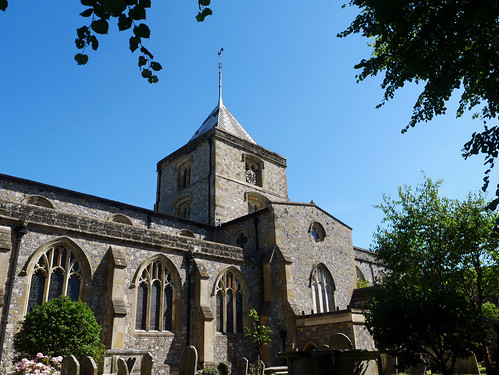
Following on from my previous post where the 12th Earl surrendered the collegiate chapel to King Henry VIII, subsequential purchasing it back and being required to provide an annual rent to the King :
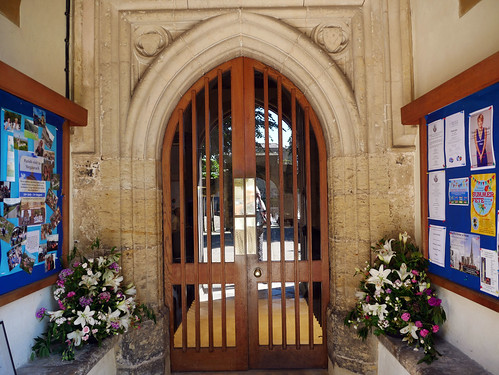
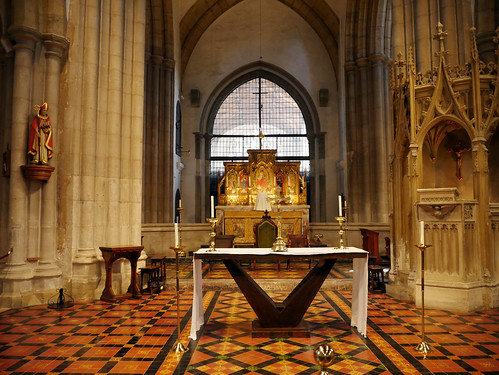
The nave [of the church] continued as the parish church of Arundel. As the effects of the Reformation took hold the church was rapidly transformed from a temple to a school-room. Altars dedicated to the saints, statues, stained glass and wall paintings were all removed, smashed or painted over, and over time row upon row of pews filled the church.
During the Civil War (16-1651) the Roundheads hoisted cannon onto the church roof to bombard the Royalists holed up in the adjacent castle. They also used the church as their barracks and the Fitzalan Chapel to stable their horses.*
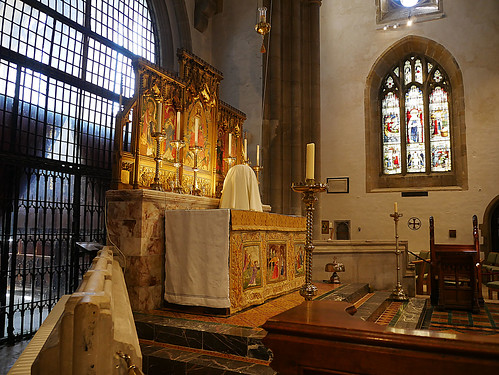
In the 19th century the Church of England rediscovered its catholic identity and a sense of the beauty of holiness once more entered our churches. In St Nicholas’ this led to the introduction of the high altar and reredos, choir stalls and stained glass windows. *
*From a Church of St Nicholas Arundel leaflet
14 Comments CherryPie on Feb 19th 2019