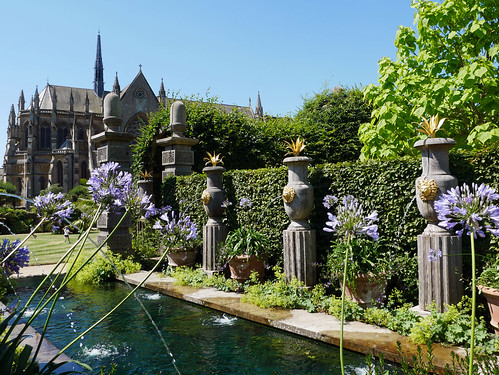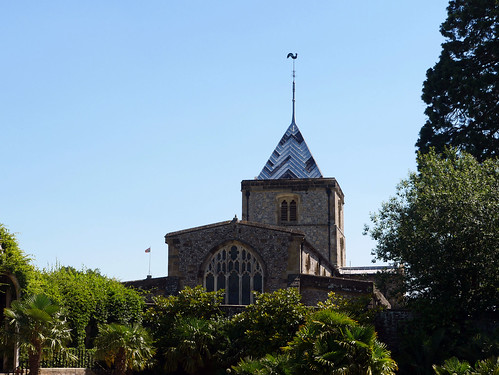
In 1380 the 4th Earl of Arundel, Richard Fitzalan, founded a secular College of Canons, that is to say, a community of clergy to maintain daily worship and pray for the souls of the founder’s family. This initiated the building of the church you see today. From the beginning the church was divided into two parts, with the nave accommodating the people of the parish and the chancel as the collegiate chapel and chantry. An iron grille, which you can still see today, separated the two parts of the church.*
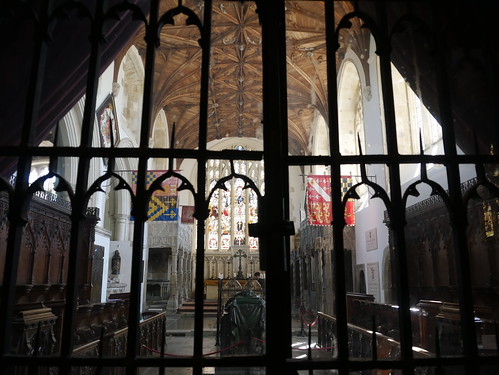
This arrangement was common in many churches in England. What sets Arundel apart is that on 12th December 1544, just before Henry VIII ordered the abolition of the chantries, the 12th Earl shrewdly surrendered the College to the king, who a few days later sold it back to the Earl for 1,000 marks and an annual rent. The collegiate chapel, therefore, was taken out of the hands of the Church and became the private property of the Earl and his descendants. The Chapel, now know as the Fitzalan Chapel, can only be accessed through the castle. *
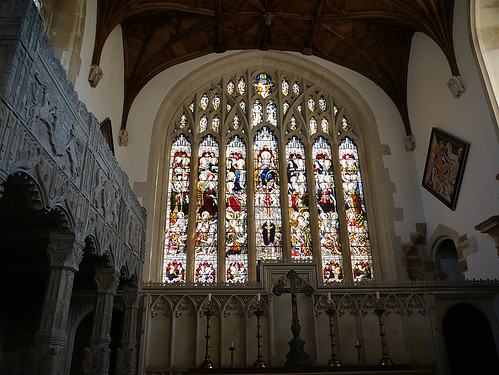

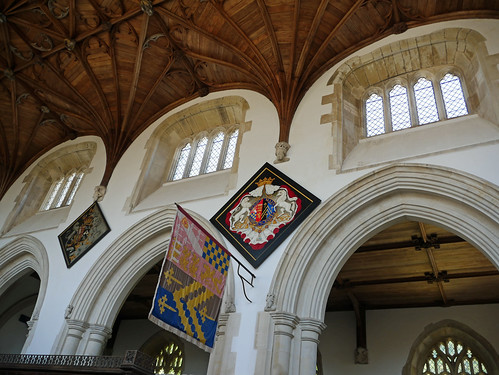
In 1879 an action heard before Lord Chief Justice Coleridge determined that the Fitzalan Chapel did not form part of the parish church but was an independant ecclesiastical structure. The chapel has therefore remained Catholic, an unusual, if not unique, anomaly in England. It is dedicated to the Holy Trinity, Blessed Virgin Mary and All Saints. The parish church is dedicated to St Nicholas.**
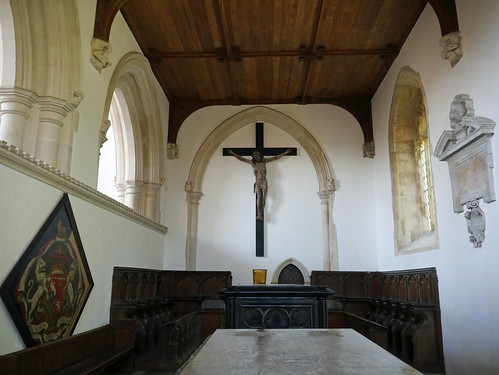
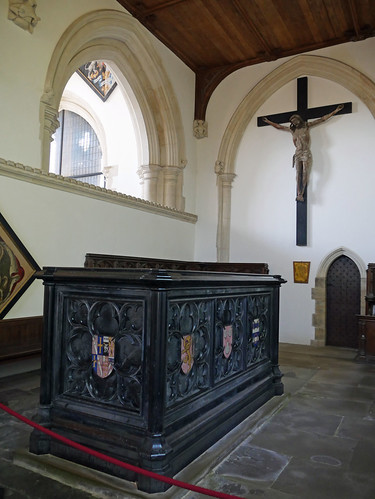
The chapel is still used as the burial place of the Dukes of Norfolk and several masses are said here every year for the repose of their souls in accordance with the intention of the founder in the 14th century. The major artistic interest of the Fitzalan Chapel lies in the tombs of the Earls of Arundel and Dukes of Norfolk which form one of the finest assemblages of their kind in England.**
*From a Church of St Nicholas Arundel leaflet
**From an Arundel Castle leaflet on the Fitzalan Chapel