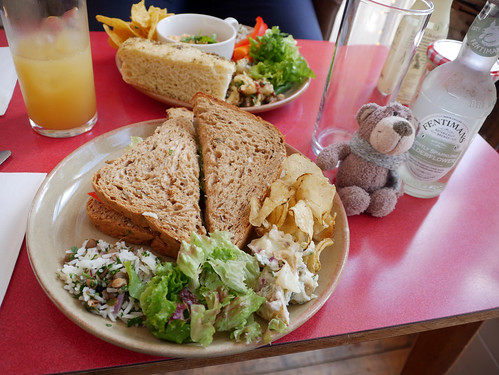
It has taken me a little time to get around to posting photographs of Ted’s Summer adventure to Ironbridge, lunching in EightySix’d and being taken on a mystery tour around Shropshire.
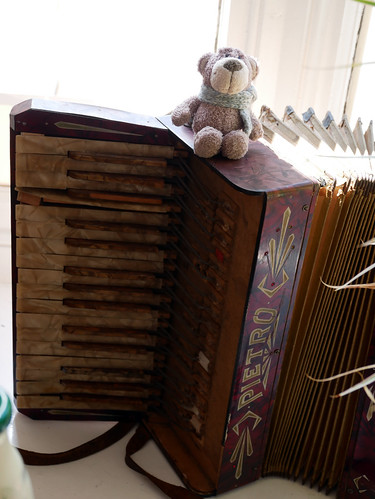
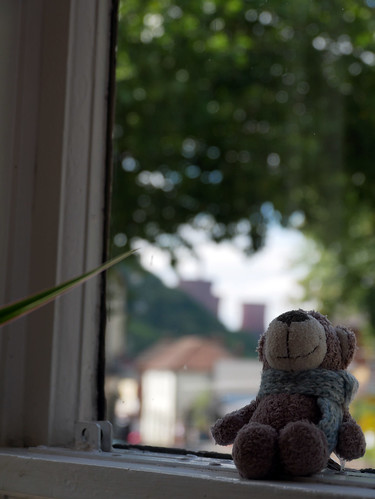

Ending his day relaxing on the patio as the sun went down.

Random thoughts and photos of my journey through life…
It has taken me a little time to get around to posting photographs of Ted’s Summer adventure to Ironbridge, lunching in EightySix’d and being taken on a mystery tour around Shropshire.
Ending his day relaxing on the patio as the sun went down.
16 Comments CherryPie on Aug 21st 2018
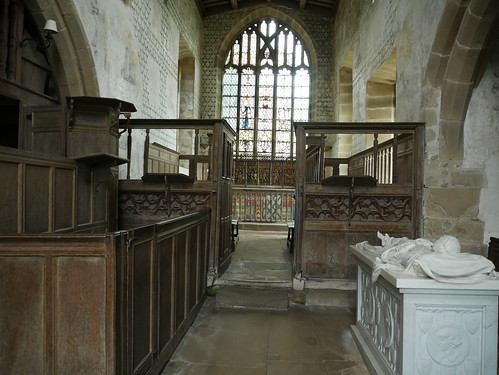
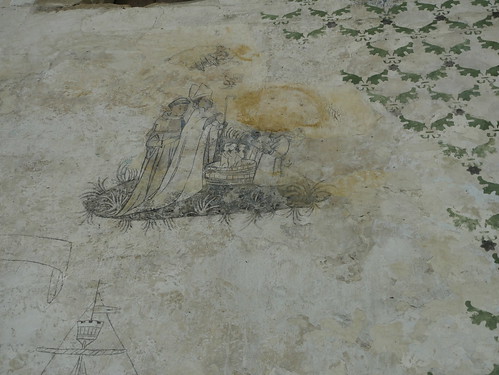
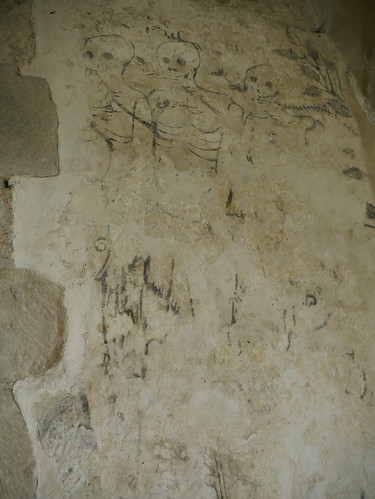
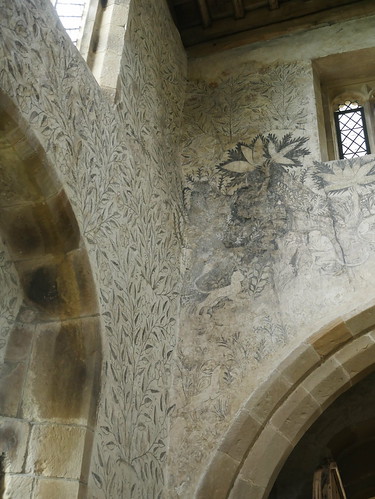
The chapel, dedicated to St Nicholas was originally the parish church of Nether Haddon. The chapel has been extended over the years and contains some of the earliest masonry in the fabric of the hall.*
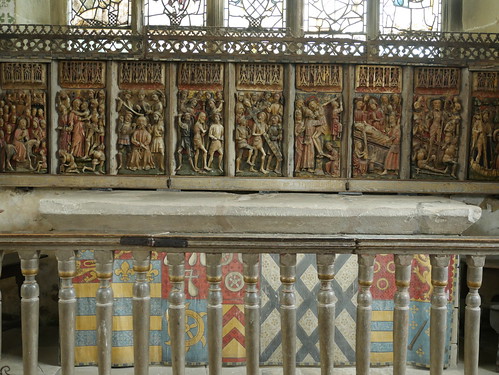
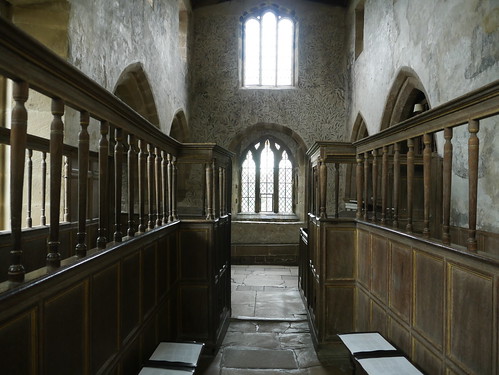
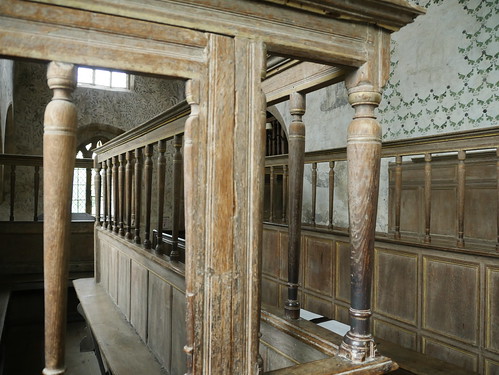
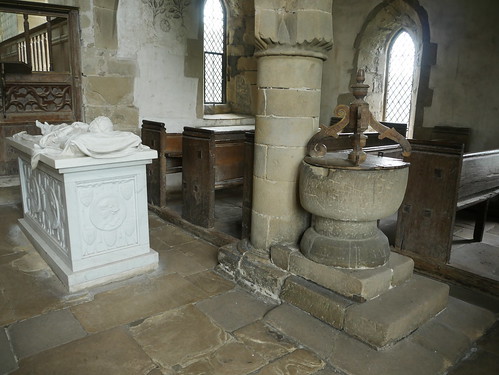
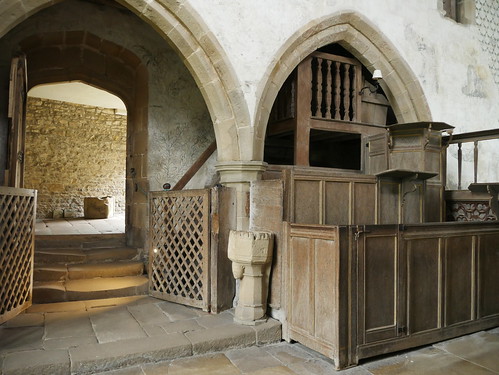
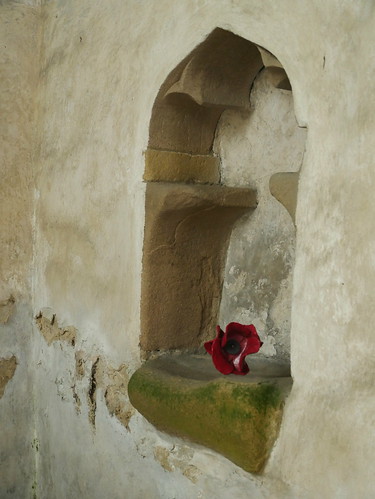
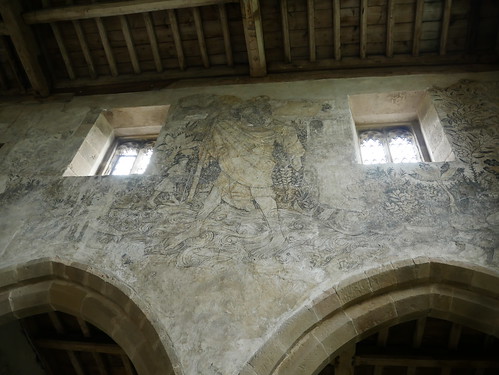
The walls in the chapel display some fine fresco seccoes which would have originally have been brightly coloured. It is thought that the fresco seccoes were commissioned in the early 15th century. The paintings were whitewashed over during the reformation and there is some evidence of deliberate defacement. As part of early 20th century restoration work the 9th Duke of Rutland arranged for the paintings to be uncovered and restored.*
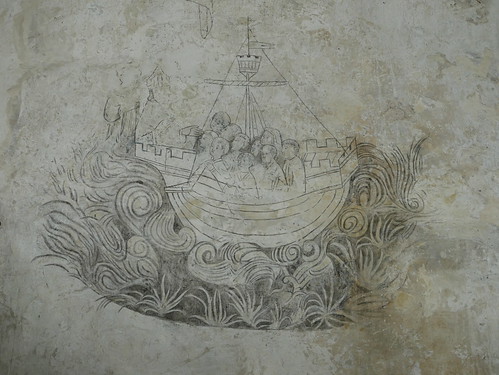
*From the Haddon Hall guide book
22 Comments CherryPie on Aug 20th 2018
We shall never know all the good that a simple smile can do.
Mother Teresa

12 Comments CherryPie on Aug 19th 2018
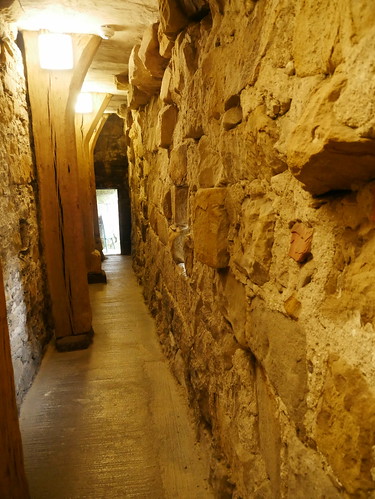
On the right hand side can be seen part of the 12 foot high wall which was built around the original buildings of Haddon Hall. A licence to build this wall was granted by the future King John in 1195 and although most of the wall survives, much of it is incorporated in subsequent buildings and it is not easily visible.
This piece is therefore one of the oldest, clearly identifiable walls in the Hall.
The licence stated that the wall should not exceed 12 feet high and should not be crenellated, being insufficient to make Haddon a fortress, and so perhaps ensuring its survival. The Hall would then have consisted of the Great Hall, the Kitchen, the Chapel and a Watch Tower.
Some 250 years later, in about 1450, five huge cantilever oak posts were added to support an open walkway along the wall from what is now the Great Chamber. Then about 100 years later, as fashions changed, the walkway was enclosed and widened by the addition of the wall on the left hand side forming the Earl’s Apartment above and creating this long narrow room.
King John’s curtain wall is built of limestone with a relatively smooth finish and designed to be seen from the side, whereas the wall on the left is built of gritstone and is roughly constructed as the side was not intended to be seen.*
*From a signboard next to the wall
Comments Off CherryPie on Aug 18th 2018
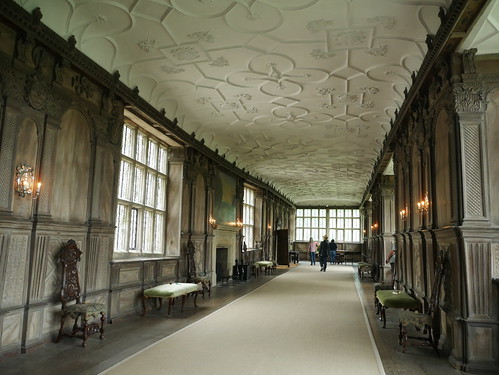
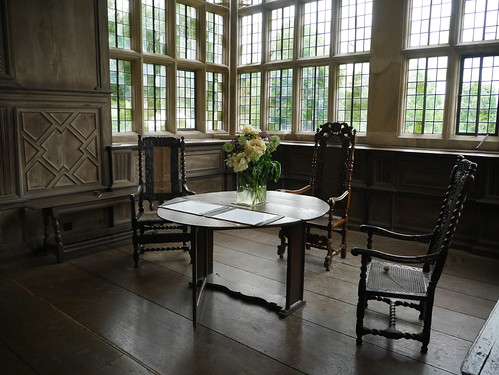
As you enter the long gallery, the predominant feeling is of light and space. The many windows, south facing to make the most of the sunlight, give on to a typical Elizabethan long gallery 110 feet long and 17 feet wide. *
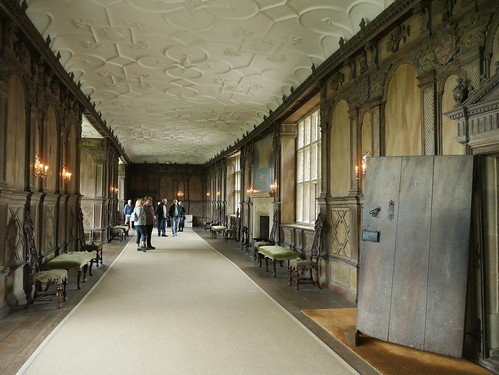
* From the Haddon Hall guide book
12 Comments CherryPie on Aug 17th 2018
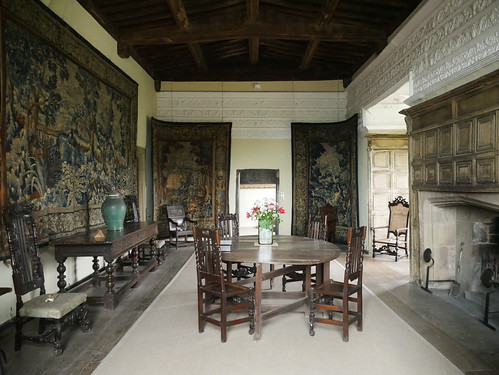
The 17th century tapestries which hand in the Great Chamber are either Flemish or French in origin. The tapestries are all that remain from the Great Chamber of a much larger collection that had remained in the hall for 200 years whilst the hall was unoccupied. The 9th Duke removed the tapestries from the hall to a room in the stable block for safety whilst restoration was taking place.
Sadly, in 1925 a fire broke out in a tea-room above the stables and approximately 60 tapestries were destroyed or damaged beyond repair.*
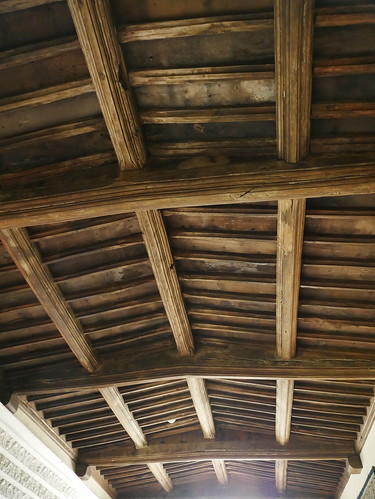
*From the Haddon Hall guide book
18 Comments CherryPie on Aug 16th 2018
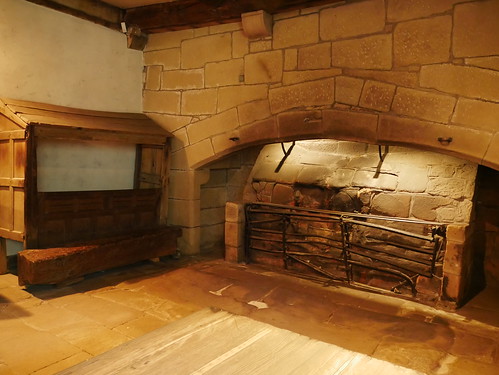
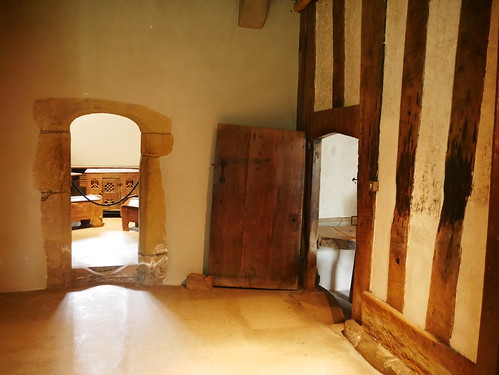
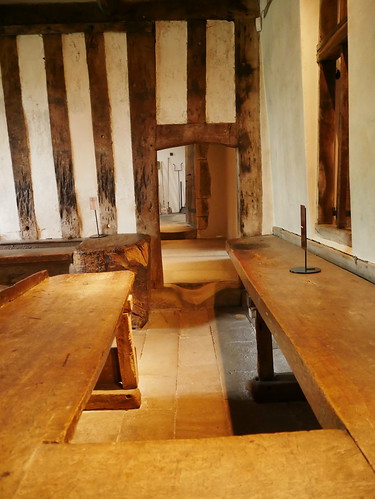
Haddon Hall has a fine example of a surviving Tudor kitchen:
Built in the 14th century, the Kitchen comprises a purely utilitarian set of rooms which originally stood apart from the other buildings to minimise the risk of fire spreading to the main house. The passageway linking the kitchen to the hall is thus a much later addition. *
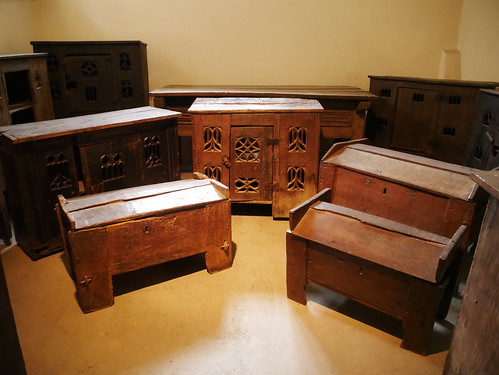
The Milk Larder now houses a fine display of ‘dole’ cupboards:
These were put outside houses such as Haddon for passing traders or Estate workers, and filled with food and leftovers from the kitchen. Made in the Gothic style, this collection is very rare as these wooden cupboards were left outside and exposed to the elements. Some are originally from Haddon and others bought by the 9th Duke. The modern phrase ‘on the dole’ (receiving assistance), stems from the purpose of the ‘dole’ cupboard.*
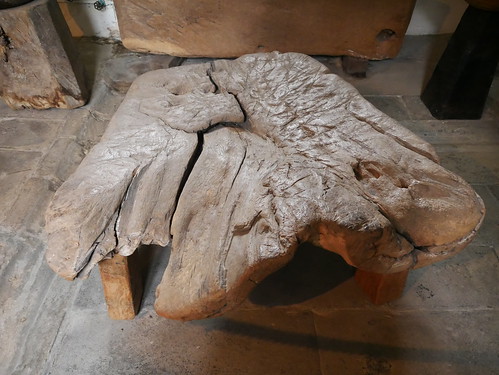
The oak block, stands on three short legs and was doubtless used for jointing meat in preparation for salting or for catching drops from hanging meat. *
*From the Haddon Hall guidebook
24 Comments CherryPie on Aug 13th 2018