Harvington Hall

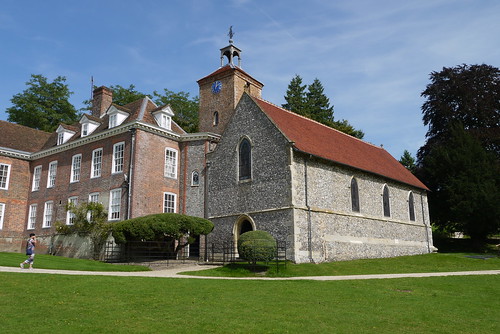
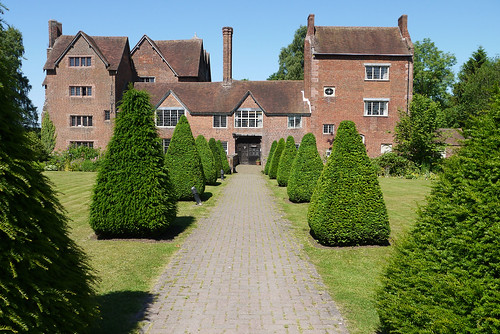
Harvington Hall, a medieval and Elizabethan manor house situated on an island surrounded by a moat is in the ownership of the Roman Catholic Archdiocese of Birmingham.

A house full of secrets, Harvington Hall was built in the 1580s by Humphrey Pakington, who was a recusant Catholic under the Protestant rule of Elizabeth I. The hall brings to life the fascinating history of the survival of Catholic families and clergymen at a time when it was high treason for a Catholic priest to be in England. The remarkable survival of its priests’ hiding places and rare Elizabethan wall paintings, together with its unique character, make Harvington Hall an extraordinary place with a captivating story, never to be forgotten.*

In 1696 the house passed to the Throckmorton family and remained in their hands until 1923. The Throckmortons also owned and lived in the nearby Coughton Court, which led to Harvington being stripped of items and fittings to be installed in Coughton including the grand staircase. The house was left to become derelict until, in 1923, it was purchased and donated to the Roman Catholic Archdiocese of Birmingham. The house has now been fully restored including a replica staircase; the original of which can still be seen at Coughton Court.
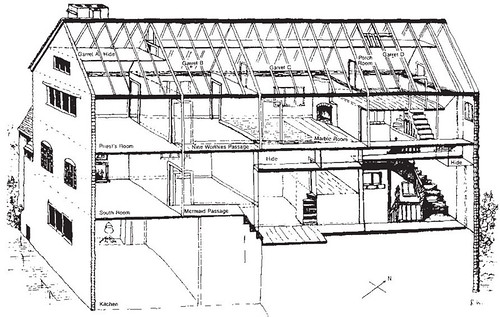
Harvington Hall Priest Hide Schematic

Harvington Hall boasts the largest surviving collection of priests’ hiding places in the country. Built in the time of Humphrey Pakington (1555-1631), some of these hides are believed to be the work of the ingenious carpenter and hide-builder, Nicholas Owen, who was arrested in 1606 and tortured to death in the Tower of London.*
Harvington Hall

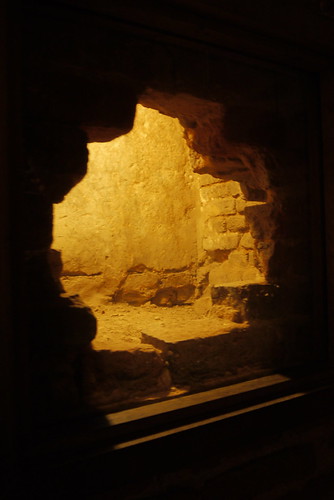
The first hide that is encountered on the guided tour of the house is situated above the bread oven within the thickness of the chimney stack. This hide was accessed by a trapdoor in the garderobe in the room above the kitchen.
Harvington Hall

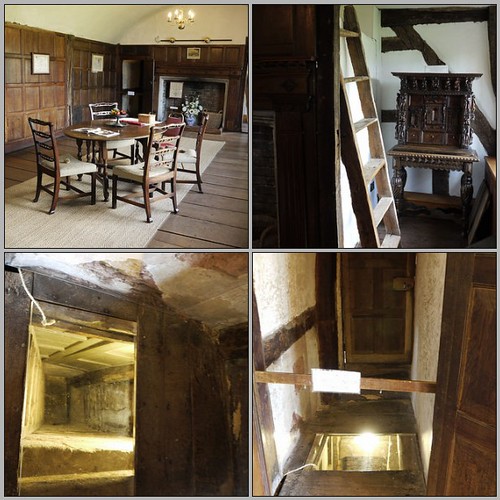
On the first floor, the Withdrawing Room also hides a priest hide behind wood panelling next to the fireplace. On the opposite side of the fireplace the original 16th century ladder for accessing the hide can be seen.

The Great Chamber, next door to the Withdrawing Room, conceals a hide above the ceiling of the Butler’s pantry in the corner of the chamber. Entry for this hide was from the top floor and the difference in levels was obscured by a panelled porch which covered the door from the Chamber to the Pantry and also from the Chamber to the Great Staircase.

Harvington Jal

A very ingenious hide was unearthed in 1894 within Dodd’s Library. Inside a space that was originally a book cupboard is a hinged wall panel that, when pushed at the top, swings up to reveal a space behind.
Harvington Hall

Harvington Hall

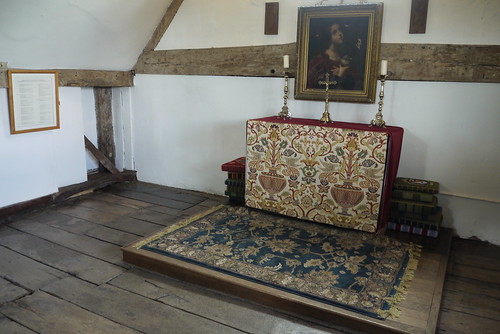
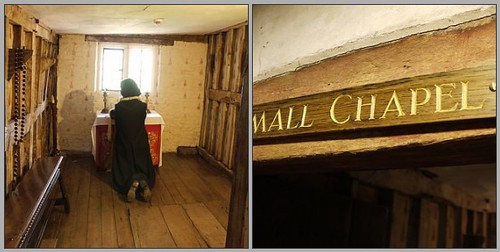
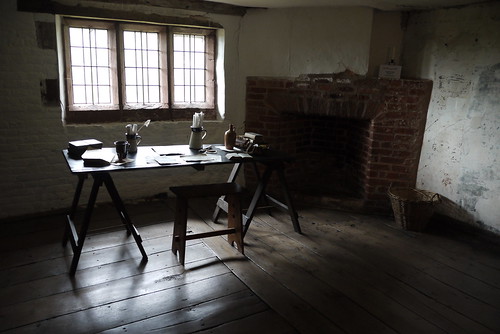
On the top floor of the house is a priest’s room which has a hidden space under the floor where the vestments, the church plate and other items for mass could be concealed when not in use. On this floor is another smaller chapel with walls decorated with rows of red and white drops representing the blood and water of the Passion.
Harvington Hall

Round the corner from the small chapel is the Marble Room where a false fireplace in the corner of the room gives access to the attic space and a further priest hole in the corner of the roof. The fireplace has been blackened to simulate smoke discolouring so that it appears to have been used.
Harvington Hall

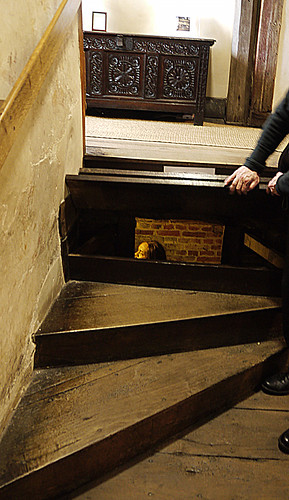
Five steps, which are original, lead down to the grand staircase. Two of the steps when lifted reveal a small cavity (the back of which is now missing), where money and valuables could be hidden. Originally this drew the eye from the larger cavity that was concealed behind; a priest hide measuring 5ft 9ins by 5ft and 6ft high. This hide is above the butler’s pantry next to the Great Chamber, and as are the other hides located around the grand staircase thought to be the work of Nicholas Owen.

Owen was servant to Fr Henry Garnet, the Jesuit superior in England, who during the 1590s built up a network of houses throughout the country to which incoming priests could be directed and where they could find disguises, chapels and priest holes.

The centre of this operation for Worcestershire and the Welsh Marches was Hindlip House, the home of Humphrey’s friend Thomas Habington, where the Jesuit Edward Oldcorne arrived in 1590.It was there that Garnet, Owen and Oldcorne were all captured in 1606, just after the Gunpowder Plot.

Owen was starved out of one of his own hides on the fourth day of a twelve day search, during which he and a companion, Ralph Ashley, had nothing to eat but one apple between them. He died under torture in the Tower; Garnet, Oldcorne and Ashley were all hanged, drawn and quartered. Although Hindlip was demolished in 1814, descriptions of the hides there show a striking similarity to those that survive at Harvington.**

  • *From 2017 Harvington Hall leaflet
  • ** From Harvington Hall Website
  • Further source of information – Harvington Hall guidebook by Michael Hodgetts

NB: All photos including the individual photos in the mosaics can be viewed full size here.
18 Comments CherryPie on Sep 6th 2017

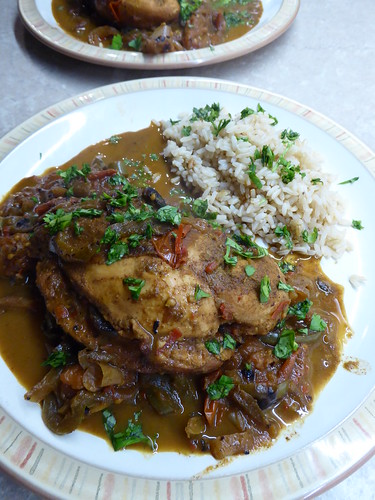
Chicken Jalfrezi

12 Comments CherryPie on Sep 5th 2017

Untitled

6 Comments CherryPie on Sep 5th 2017

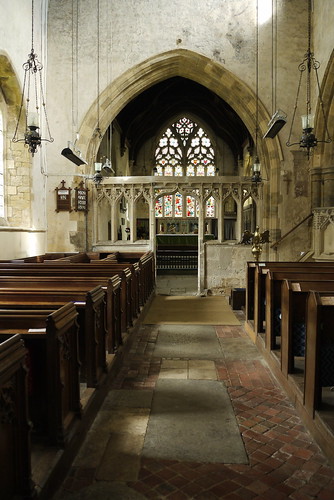
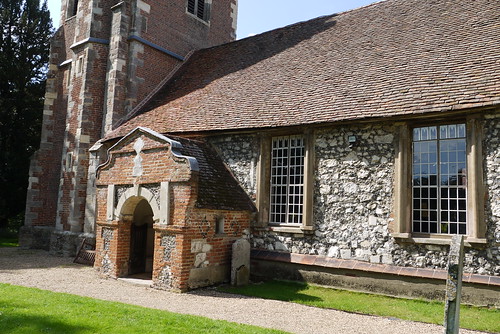
The Parish Church of St Mary Broughton

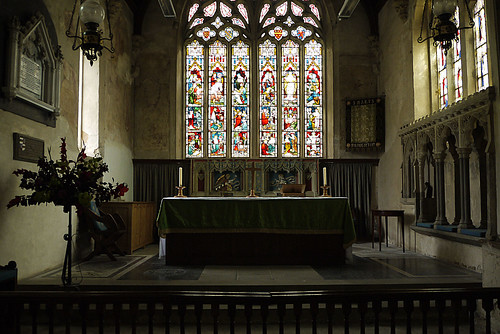
The Parish Church of St Mary Broughton

The Parish Church of St Mary Broughton

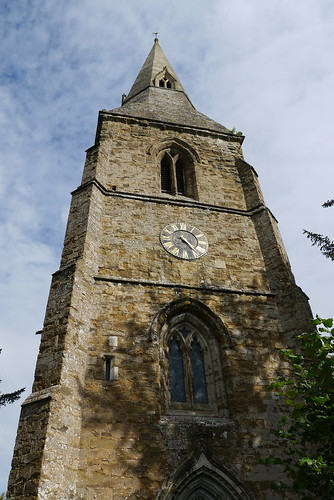
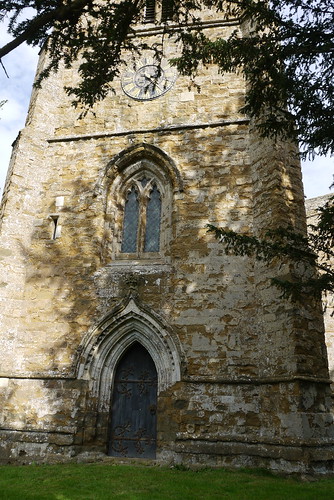
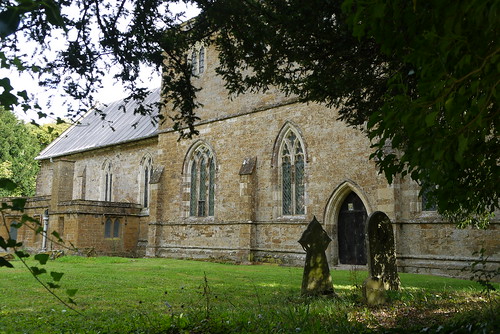
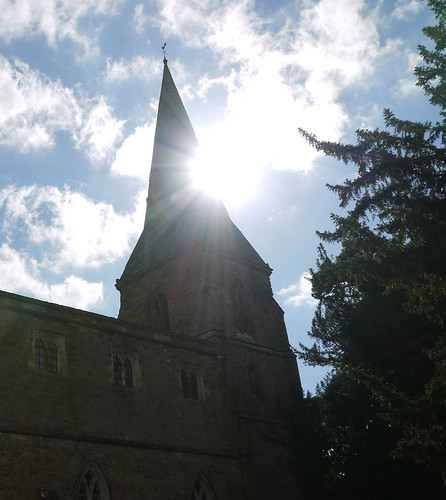
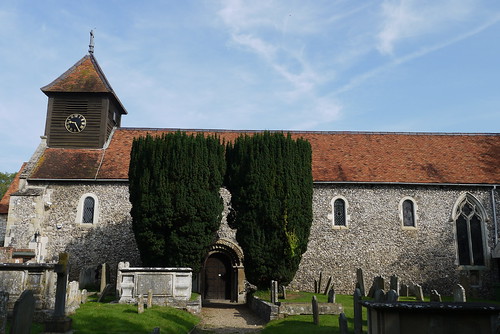
The Church was built by Sir John de Broughton and is largely early 14th century.

The evidence suggests that the Church and Castle were both built by the same hand – with designs in the South Porch of the Church exactly repeated in the Groined passage in the castle. Similar 14th century floor tiles are also found both in the Church and in the Chapel in the castle.*

The Parish Church of St Mary Broughton

The Parish Church of St Mary Broughton

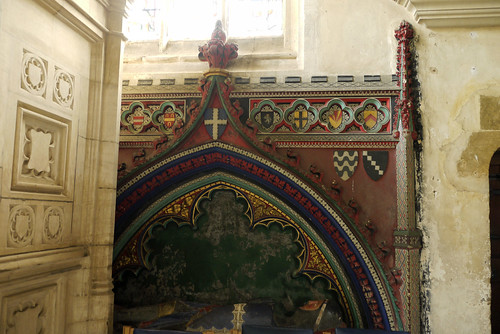
Within the church are several tombs including the one of Sir John.

Sir John’s tomb, restored in the last century to something like its garish medieval colours, is built into the east end of the south wall of the south aisle. The tomb is partly obscured by another which is empty and seems not to be in its original place. The evidence indicates that is was built for Edward Fiennes who died in 1528 and was husband of Margaret Danvers of Dauntsey, Wilts., where there is a similar tomb. It is a mystery why a man under thirty years of age had such an elaborate tomb built for himself and why he was not buried in it.

The Parish Church of St Mary Broughton

*From the Broughton castle handbook

6 Comments CherryPie on Sep 4th 2017

…in man’s divine search there are infinite variations of approach and expression. The romance of each devotee with God is unique.

Paramahansa Yoganada

The Parish Church of St Mary Broughton

2 Comments CherryPie on Sep 3rd 2017

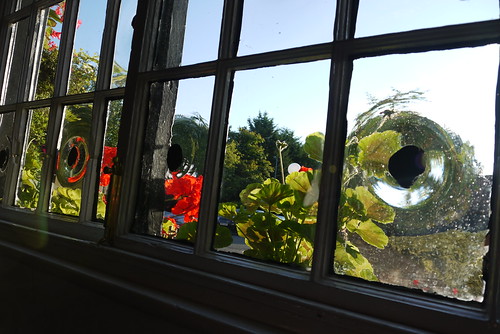
A Room with a View

When I woke up the sun was shining and there wasn’t a cloud in the sky. Mr C started his morning ritual of making a cup of tea only to find that the drinks tray had not been restocked!  When we entered the dining room I chose a table that was next to French doors that opened out onto the terrace so we could enjoy the sunshine over breakfast.

Hurley Parish Church

After breakfast we checked out of the hotel, put our luggage in the car and took a short stroll down the high street to find the remains of the old Priory building which now functions as Hurley Parish Church. The inside of the church is delightful and within it is housed what is thought to be one of the oldest wooden crosses in England, dated at around 1040.

Henley-on-Thames

We then returned to the car and drove to Henley-on-Thames where we took a stroll around the town and along the river. As we approached the bridge over the Thames we noticed a Chitty Chitty Bang Bang style car that was driving over the bridge. It was making alarming noises and limped its way off the bridge before breaking down.

Stonor Garden

We then looked at options of where next to visit that would also serve lunch. Mr C opted for Stonor which was nearby although we nearly changed our minds when we got there. There was a large craft fair taking place and the place was heaving with cars and people. After a brief talk with the car park attendant we were advised that if we only wanted to go to the house and gardens we needed to go a different way.

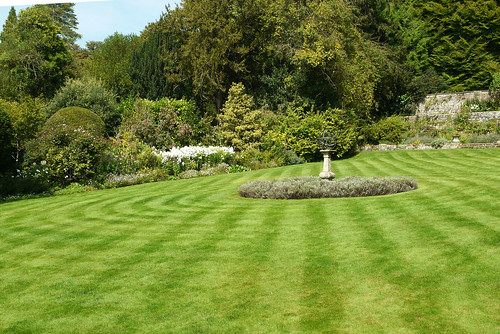
When we got to the house there was hardly anyone there. Initially we only bought tickets for the gardens because we didn’t know if there would be time for the house. The formal garden was enjoyable and we found that we still had time to go inside the house so we upgraded our tickets.

The lady who was checking tickets on entry to the house persuaded Mr C that he should purchase a small pamphlet about the contents that are on display. I am so glad she did, it is full of fascinating information. Unfortunately they had run out of guide books so I had to come away without one.

Stonor

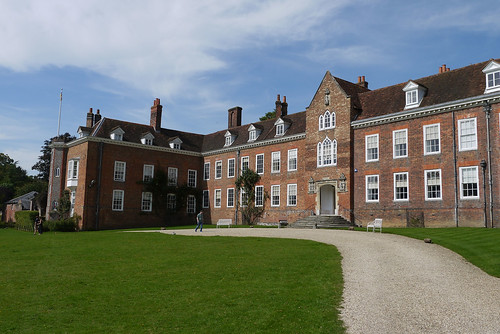
The house and contents are fascinating. The house has been home to the Stonor family for over 850 years and is linked with the travails of the Catholics following the reformation by Henry VIII. The roof space at Stoner was used by Edmund Campion to print the ‘Ten Reasons’ pamphlet in the 1580s. The library houses an important collection of Recusant books that were either printed abroad and imported illegally or illegally printed in England.

On display is an original copy of the ‘Ten Reasons’. Next to the house is the private Chapel of the Blessed Trinity, the interior of which is quite stunning.

Chapel of the Blessed Trinity

All too soon it was time to set off on our homeward journey. The traffic was free flowing unlike our outward journey and when we got home the weather was still being kind to us so we were able to dine on the patio. I have to say that as a culinary experience, it was meal of the weekend.

Griddled Pork with Freekeh & Nectarine

10 Comments CherryPie on Sep 1st 2017

Savill Garden

Our room was a little warm overnight due to the lovely weather. The breakfast spread was excellent, having both cooked and continental style options, although unfortunately the plates were cold.

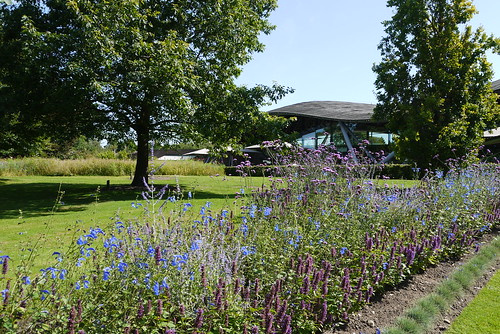
When we were comfortably replete we drove to The Savill Garden which is situated in Windsor Great Park. Whilst we were travelling Mr C’s phone started to ring again, luckily, for some unaccountable reason (divine intervention?), the fully charged phone had completely drained its battery leaving us to enjoy the gardens in peace. The summer garden beds were particularly spectacular and we enjoyed walking through the woodlands in the wider garden. Before we left for our next destination we had lunch and browsed the extensive gift shop.

Magna Carta Memorial at Runnymede

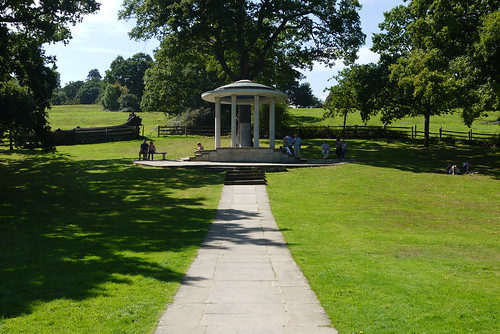
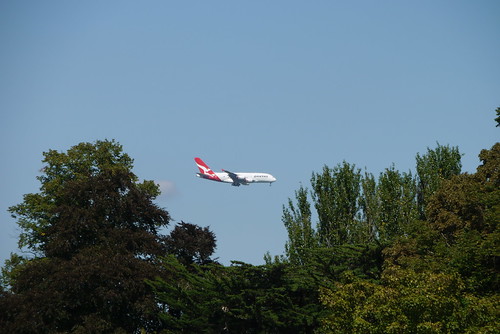
We had planned to visit Dorney Court next but realised that it wouldn’t be open when we arrived so we took a slight detour to see the Magna Carta Memorial at Runnymede. We made the short walk to the memorial which was erected by the American Bar Association in 1957. This area is another plane spotter’s paradise and, as we made our way back to the car park we observed many planes coming into land at Heathrow at approximately one minute intervals.

The hot weather prompted us to purchase a Mr Whippy ice cream before making our way to Dorney Court.

Coming in to Land

Dorny Court

Dorney Court has a fascinating history having been in continuous ownership of the same family since 1537. The house visit is by guided tour and our guide shared many interesting bits of information including pointing out the 17th century priest hole which is rumoured to connect to a secret tunnel running to Burnham Abbey which is about a mile away.

After we had been in one of the rooms for a few minutes our guide mentioned that it was the room where the ghost had appeared. The story goes that whilst a young single man is sleeping in bed a lady dressed in grey appears and points to the corner of the room. Later in the place indicated by the ghost, a skull and other skeletal remains were found behind the wall.

After relating the tale the guide looked at me and said ‘in fact the ghost appeared exactly where you are standing and I see the colours you are dressed in’ (mauve/greys). Thankfully the room (for me) didn’t have an odd or creepy feel to it.

Parish Church of St James the Less

Before joining our guided tour we visited the charming parish Church of St James the Less which is situated just behind the house. The church has lots of interesting features and I would have liked to go back after the tour but unfortunately a wedding was taking place on the lawn blocking access to the church.

View from Bar Snug

That evening we dined in the hotel restaurant which turned out to be a mistake.  The bread plates (but not the bread) were partially removed before our main courses arrived. The meal was disappointing and it was served on cold plates leading to our meal going cold very quickly. After we had finished the plates were removed and then, a little while later the bread was removed from the table. Dessert menus were not offered so after a while Mr C attracted someone’s attention and we were provided with menus but nobody came to take our order.

By this time we had given up on the idea and Mr C went to track someone down and request the bill. When he found someone he said ‘Could I have the bill for the table you have forgotten over there?’ Almost immediately the head waiter came over with the bill, apologising profusely, and advised that he had removed the cost of the meals from the bill and that we would only have to pay for the wine.

The saga of poor service continued in the bar area where the young bar tender was rather rude with an ‘I couldn’t care less’ attitude (Manuel who had served us the previous evening was serving in the restaurant). When mum asked if she could have a coffee he rather abruptly said no and when the next drink she wanted was not available either, no apologies just a curt response.

Chaos and mayhem continued as the bartender shared his this attitude with other customers and members of staff. For one group of customers the right type of glasses could not be found and drinks were not available until a little later they were miraculously unearthed in the cellar. Whilst all this was going on mum advised us that room service had removed her flannel from her room that morning. All very ‘Fawlty Towers’!

By the end of the evening I was trying very hard not to laugh out loud :-)

8 Comments CherryPie on Aug 31st 2017

« Newer Posts - Older Posts »