Random thoughts and photos of my journey through life…
8 Comments CherryPie on Apr 16th 2016
10 Comments CherryPie on Apr 16th 2016
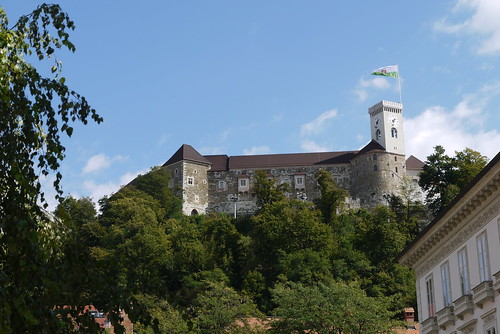
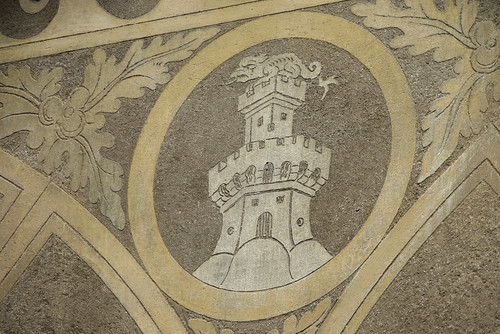
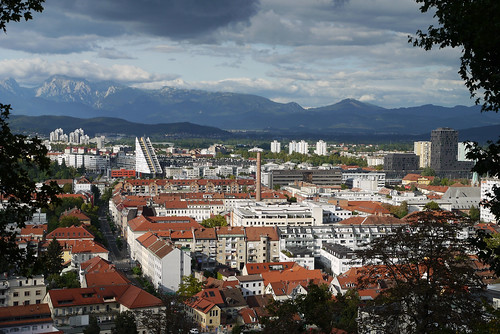
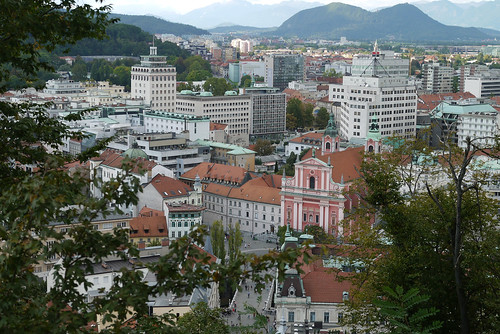
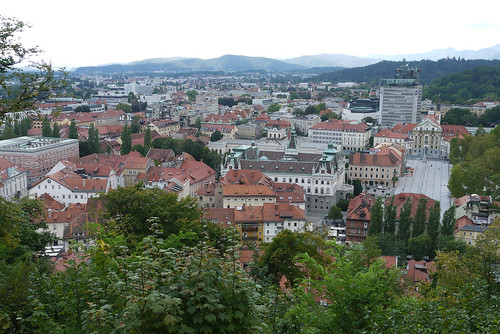
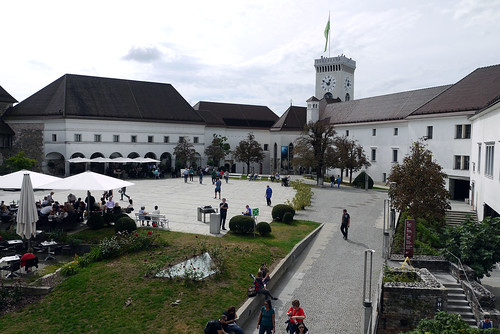
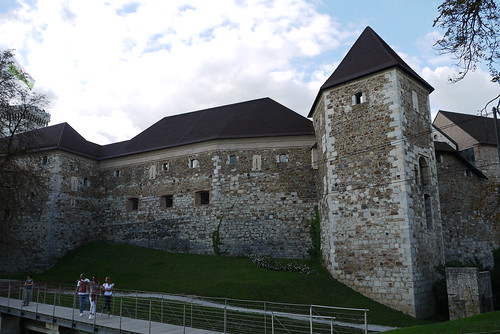
When in 1335 the Habsburgs took over the area of today`s Slovenia, they demolished the fortress of the Spanheim family, which stood on the hill, and in the second half of the 15th century started building a new one that still stands today. At first it consisted of only walls, towers and wooden barracks but through centuries the castle got the shape that it has today. Its main purpose was to defend against Turkish invasions, which were the most frequent in the 15th and 16th century. Besides, peasant rebellions were not rare as well. In the 17th and 18th century the castle had the function of a military hospital and an arsenal. When in 1809 Napoleon brought freedom and cultural and national enlightment to the citizens of Ljubljana, the war with the Habsburgs broke out. During this war the Pipers tower was demolished and a new wooden one erected on the place of today`s stone one. After the French had left, the Habsburgs used the castle for jails. The jail period lasted until the end of the Second World War, when first Italians and after their capitulation Germans took over the management of the castle. Until 1963 ostracized citizens of Ljubljana lived on the castle in terrible conditions. In the 70s the renovation began and today the castle is a popular tourist destination for home and foreign visitors.
8 Comments CherryPie on Apr 13th 2016
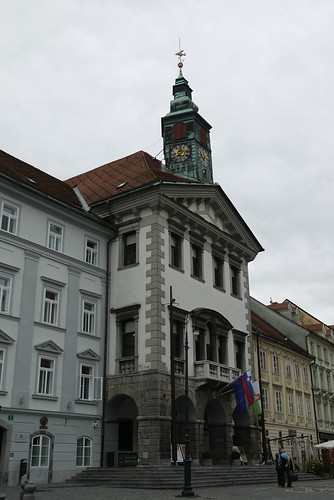
Ljubljana Town Hall (Slovene: Ljubljanska mestna hiša, also known as Ljubljanski rotovž or simply Rotovž or Magistrat) is the town hall in Ljubljana, the capital of Slovenia, is the seat of the City Municipality of Ljubljana. It is located at Town Square in the city centre close to Ljubljana Cathedral.
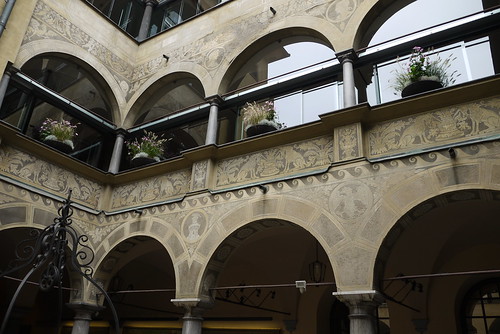
The original building was built in a Gothic style in 1484, probably according to plans by the Carniolan builder Peter Bezlaj.[1] Between 1717 and 1719,[2] the building underwent a Baroque renovation with a Venetian inspiration by the builder Gregor Maček, Sr.,[3] who built based on plans by the Italian architect Carlo Martinuzzi and on his own plans (the gable front, the loggia, and the three-part staircase).[4] In the mid-1920s, a monument to the Serbian and first Yugoslav king Peter I was erected in the entrance of Town Hall. The monument, designed by the architect Jože Plečnik, was removed and destroyed by the Fascist Italian occupation authorities of the Province of Ljubljana in April 1941.

8 Comments CherryPie on Apr 12th 2016
10 Comments CherryPie on Apr 11th 2016
Set your minds on things above, not on earthly things.
Colossians 3:2 (NIV*)
*NIV® Copyright ©1973, 1978, 1984, 2011 by Biblica, Inc.®
12 Comments CherryPie on Apr 10th 2016
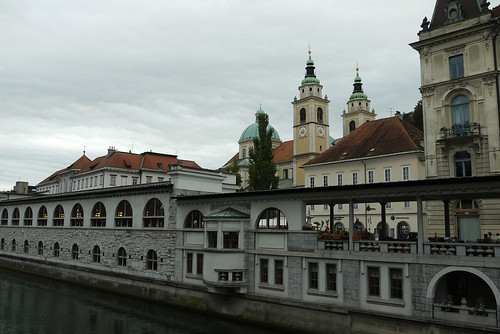
Until the earthquake of 1895, the Vodnikov trg square, now the site of Ljubljana’s central Market, had been occupied by a diocesan college. Later, the Municipality of Ljubljana intended to build a new town hall there, but the plan was changed after it had been established that the existing meat market halls, situated at a nearby river embankment, no longer complied with hygiene regulations.
The present market, built by the architect Jože Plečnik between 1940 and 1944, was conceived as a two-storey range of riverside market halls following the curve of the river. On the side overlooking the river, the market halls were furnished with large semi-circular windows, and on the side overlooking the street adorned with a colonnade. The whole complex, reflecting Renaissance influences, was covered with a roof of massive concrete tiles. Plečnik planned to fill the gap in the range of market halls with a monumental covered bridge to connect the market-side embankment with the Petkovškovo nabrežje embankment, but the bridge, which was supposed to be called the Butchers’ Bridge, was never built.
When a little later a decision was taken to connect the market with the Triple Bridge, Plečnik built a flower shop resembling the temples of classical antiquity next to the bridge and connected it with the market by adding another roofed colonnade. The additional colonnade now provides shelter for stalls selling herbs, spices, and art and craft items.
8 Comments CherryPie on Apr 9th 2016