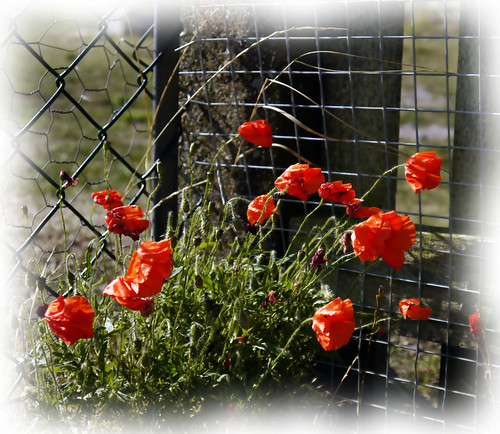
It is my turn at Vision & Verb today. I am reflecting on the upcoming anniversary of WW1 and the series of events that are planned to commemorate the occasion.
Random thoughts and photos of my journey through life…
It is my turn at Vision & Verb today. I am reflecting on the upcoming anniversary of WW1 and the series of events that are planned to commemorate the occasion.
2 Comments CherryPie on Jan 23rd 2014

Filed under Faith Foundations, Heritage, Holidays, Newcastle & Crookham 2013
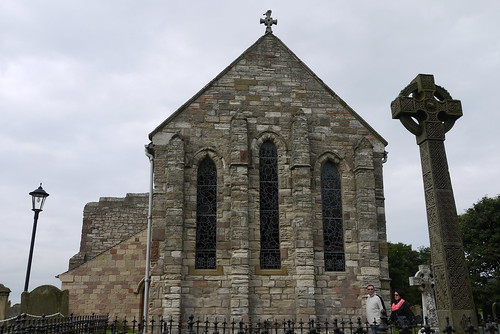
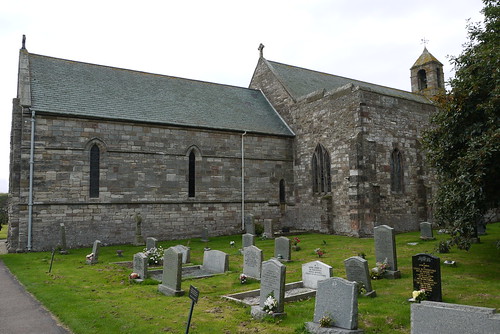
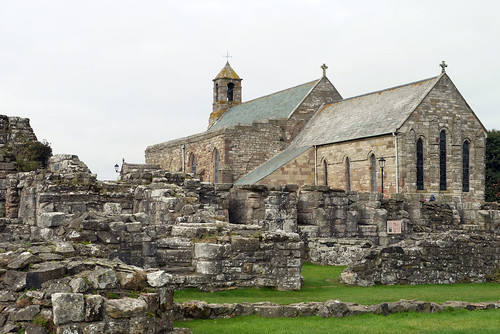
The parish church stands on the site of the wooden church built by St. Aidan in 635 AD, which during the Anglo-Saxon period was replaced by a small stone church. The Benedictine monks of Durham, who in the 12th century began to build the second monastery, decided this should be the parish church and employed and paid a chaplain to care for the villagers.
The building was enlarged twice: once in the 12th century by a Romanesque north arcade and a Norman apse (now gone) and an early English south arcade and chancel in the 13th century. Parts of the original Saxon church survive in the wall containing the chancel arch. The tower and the porch were added later.
At the Reformation the church became Anglican and, as the centuries went by, fell into great disrepair. A thorough restoration in 1860 restored it to a clean, usable state, with oak furnishings in the chancel and pine in the nave.
6 Comments CherryPie on Jan 22nd 2014
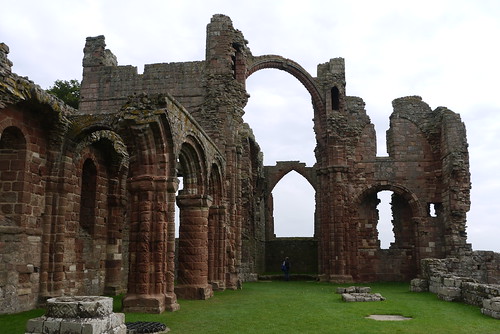
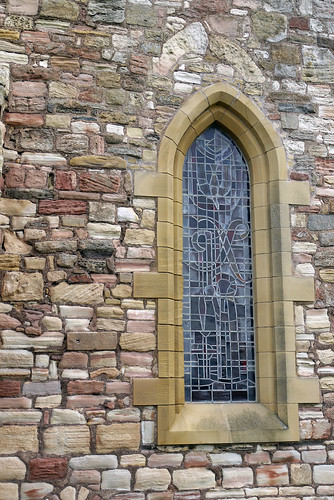
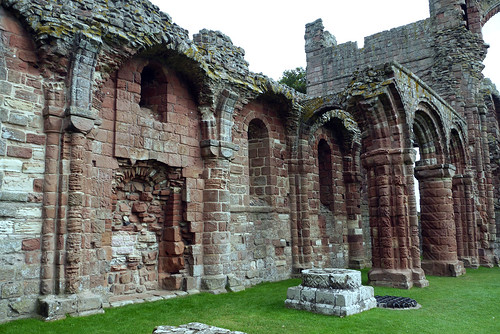
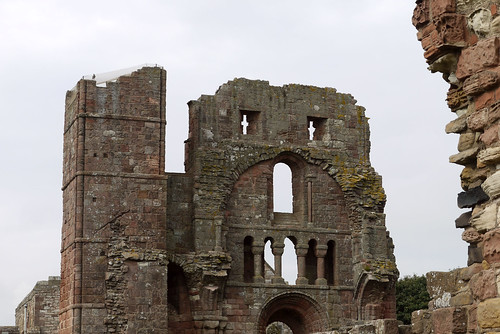
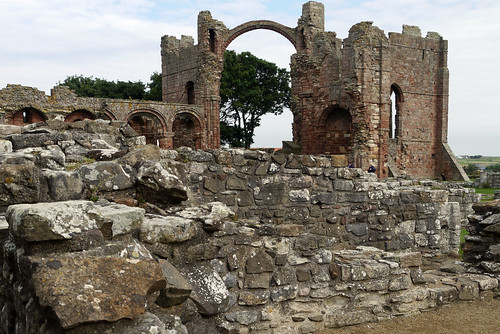
Originally home to the Lindisfarne Gospels and the site of grisly Viking attacks, a visit to Lindisfarne Priory is a great day out in Northumberland. Sitting offshore on Holy Island and reached by a causeway at low tide, the peaceful atmosphere and beautiful views from the priory make a visit here well worth the effort.
Lindisfarne Priory was an important centre of early Christianity, and the home of St Cuthbert. Today you can marvel at the ornate carvings on the extensive ruins of the monastic buildings and enjoy the serenity that first drew the monks here.
4 Comments CherryPie on Jan 21st 2014
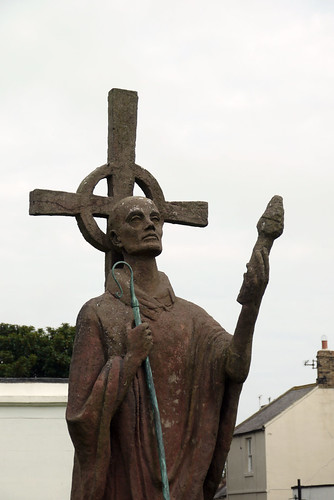
From Wiki:
Aidan of Lindisfarne[1] (died 31 August 651), known as the Apostle of Northumbria, was an Irish monk and missionary credited with restoring Christianity to Northumbria. He founded a monastic cathedral on the island of Lindisfarne, served as its first bishop, and travelled ceaselessly throughout the countryside, spreading the gospel to both the Anglo-Saxon nobility and to the socially disenfranchised (including children and slaves).
After his death, Aidan’s body was buried at Lindisfarne, beneath the abbey that he had helped found.[9] Though his popularity waned in the coming years, “in the 10th century Glastonbury monks obtained some supposed relics of Aidan; through their influence Aidan’s feast appears in the early Wessex calendars, which provide the main evidence for his cult after the age of Bede.”[9]
A detailed biography of Saint Aidan can be found here.
8 Comments CherryPie on Jan 20th 2014
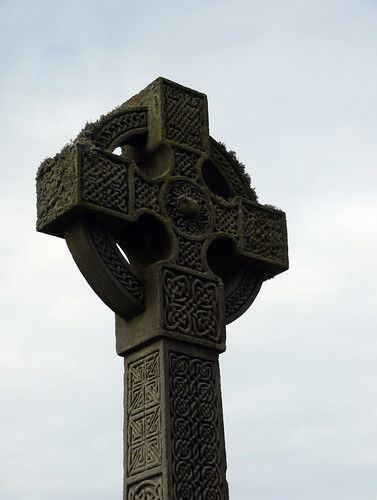
The aim of art is to represent not the outward appearance of things, but their inward significance.
Aristotle
25 Comments CherryPie on Jan 19th 2014
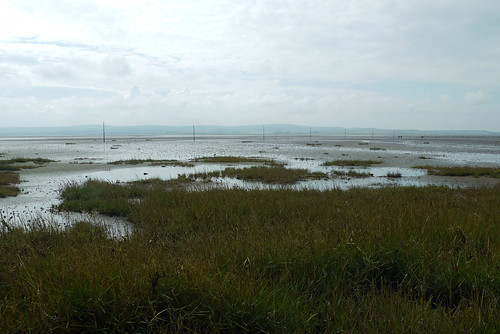
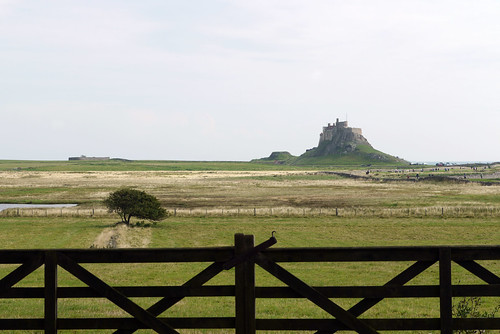
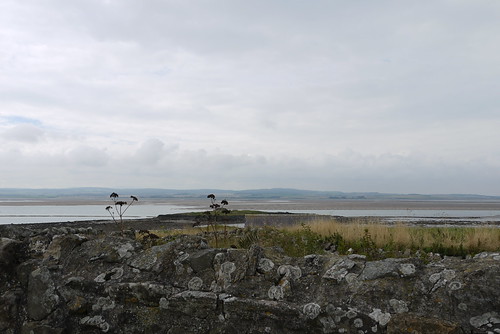
I am now going to continue with the places that I visited on last years vacation to Newcastle and Crookham. First port of call is the Holy Island of Lindisfarne. The Island is tidal and can only be accessed by a causeway that twice a day is covered by the North Sea. A journey there has to be planned carefully to avoid the tides.
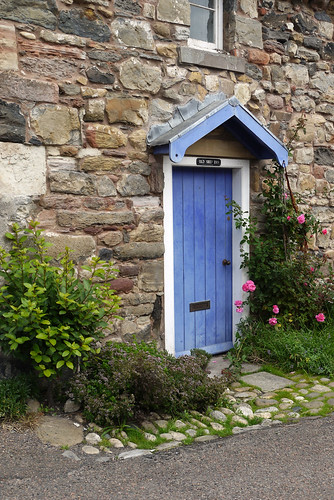
Lindisfarne is internationally famous both for its medieval religious heritage and also its more recent picturesque 16th century castle. These, together with most of the community, are located on the Southern part of the island – the main focus for tourists and holidaymakers. Many are also attracted by the peace and tranquility which pervades the Island and the remote Northern conservation area, with more than its fair share of quiet beaches and unique natural history.
14 Comments CherryPie on Jan 18th 2014
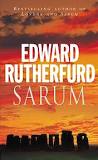 Synopsis (from book cover):
Sarum is the towering story of five families through 100 centuries of turmoil, tyranny, passion and properity. In a novel of extraordinary richness the whole sweep of British civilisation unfolds through the story of one place, Salisbury, from beyond recorded time to the present day. The landscaped – as old as time itself – shapes the destinies of five families. The Wilsons and the Shockleys, locked in a cycle of revenge and rivalry for more than 400 years. The Masons, who pour their inspired love of stone into the creation of Stonehenge and Salisbury Cathedral. The Porters, descended from a young Roman Soldier in exile. And the aristocratic Norman Godefrois, who will fall to the very bottom of the social ladder before their fortunes revive.
Book Review:
This is an epic saga that takes the reader from the dawn of civilisation as the iceage retreats right through to more recent times. The history is well researched and the story unfolds to reveal how Salisbury started, grew and developed over the years.
The characters within the story tell us of the unfolding social history of the different eras. I was sad to leave some of the characters behind when the book moved forward to the next era. I enjoyed reading about the building of Stonehenge and Salisbury Cathedral. The book inevitably covered more unpleasant topics such as the effects of the recurring plague.
The book is well worth a read, but it will take a bit of time to get through its 1344 pages.
6 Comments CherryPie on Jan 16th 2014