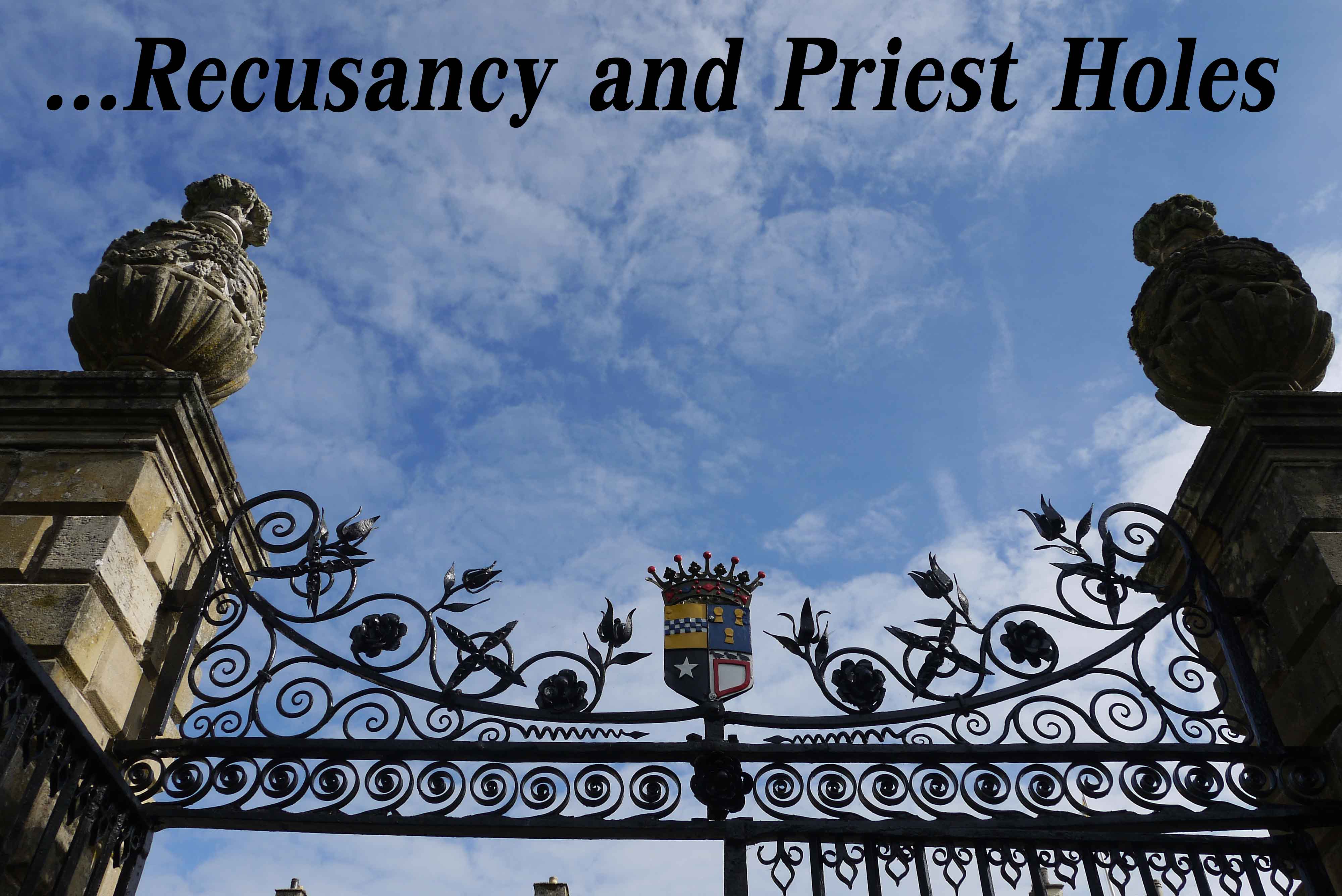
… of Paxton House.
Random thoughts and photos of my journey through life…
… of Paxton House.
8 Comments CherryPie on Aug 29th 2011
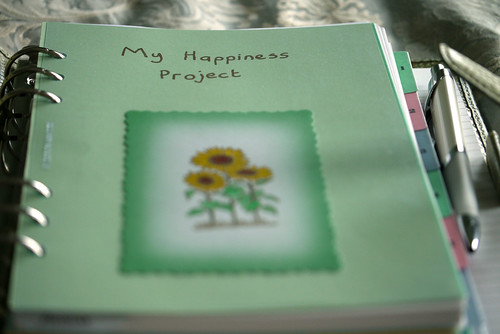
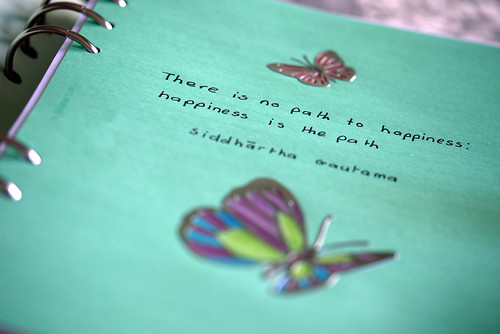
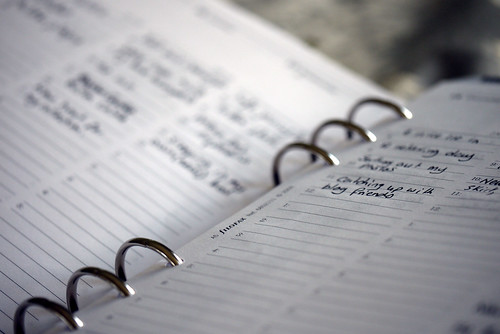
My happiness project is taking shape, I have made a list of goals to achieve and I am writing down daily reminders of things that made me happy. One of the things on the list was to get a macro lens. Those of you who have been following will know that after a bit of a saga I eventually got a macro lens. I used it to take these pictures of the project folder in action.
8 Comments CherryPie on Aug 29th 2011
The distinction between the past, present and future is only a stubbornly persistent illusion.
Albert Einstein (1879-1955)
19 Comments CherryPie on Aug 28th 2011
7 Comments CherryPie on Aug 27th 2011

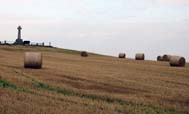
The sculptures on this war memorial are by John Cassidy:
At a meeting on 22 March 1920 the selection of a War Memorial Monument was made by the town’s War Memorial Committee; Cassidy was commissioned to execute and erect the Monument at a cost not exceeding £3,000. Over 370 Skipton men lost their lives in the 1914-18 war. The monument was unveiled on 8 April 1922. The triangular limestone pillar, about 20 feet (six metres) high, carries a bronze figure of ‘Winged Victory’ and at the base is a nude man modelled in the act of breaking a sword.
Some excellent close up photos of the sculptures can be found here.
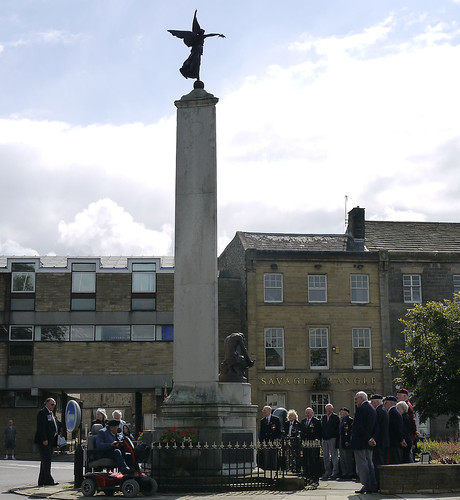
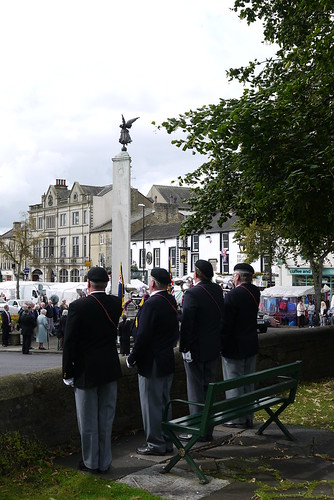
For more of this weeks PhotoHunt pictures check out tnchick.
18 Comments CherryPie on Aug 27th 2011
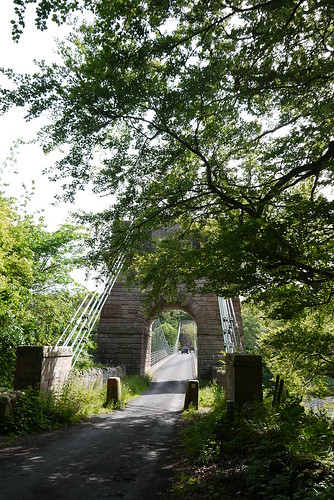
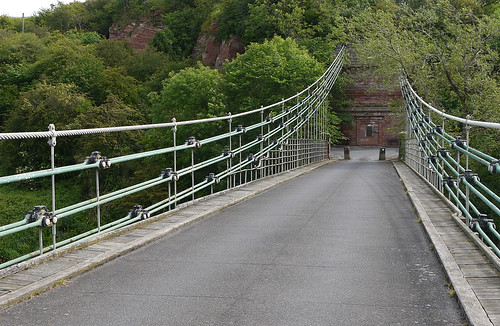
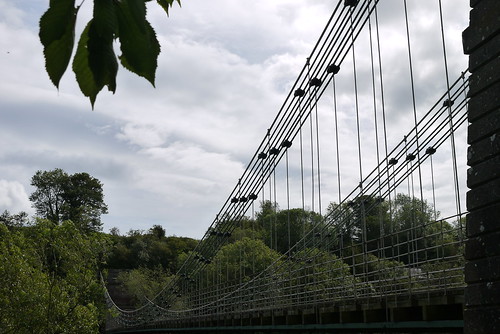
This was the first major bridge of its kind to be designed for vehicles. It is also the oldest surviving iron suspension bridge in Europe. When the bridge was built in 1820 it was the longest iron suspension bridge in the world.
Prior to the building of the bridge, those wishing to cross the River Tweed between Horncliffe on the English side and Paxton on the Scottish side would have to negotiate the New Water Ford. This could be quite dangerous, especially if there had been a flood or it was high tide. As industrialisation took hold there was a growing demand to transport coal and lime from north Northumberland into Berwickshire which made it necessary to bridge the river.
The bridge was designed by Captain Samuel Brown, he used a revolutionary technique to suspend the deck using iron bars instead of cables.
A Grand Opening
We take easy transport for granted, but in 1820 a round trip to the other side could take days. So the opening of the bridge was cause for a celebration.
On the big day, an excited audience gathered, cramming the river banks on both sides. Captain Brown raced across the bridge first in an open topped carriage, cheering and waving. He was followed by a dozen heavily laden carts to prove the strength of the bridge.
With the bridge tested to their satisfaction, hundreds of spectators flooded through the toll gates, marvelling at their new crossing.*
It is still possible for vehicles to cross the bridge, but only one vehicle at a time is allowed.
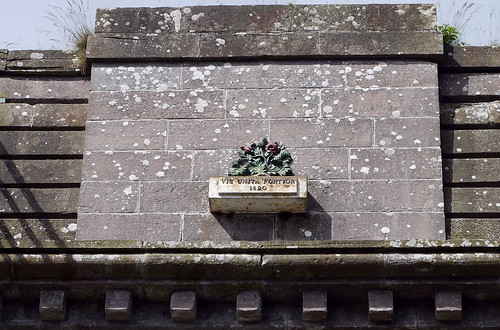
*Information taken from a plaque by the bridge.
12 Comments CherryPie on Aug 25th 2011