The hours when the mind is absorbed by beauty are the only hours we live.
Richard Jeffries
Random thoughts and photos of my journey through life…
The hours when the mind is absorbed by beauty are the only hours we live.
Richard Jeffries
14 Comments CherryPie on Feb 4th 2018
18 Comments CherryPie on Jan 30th 2018
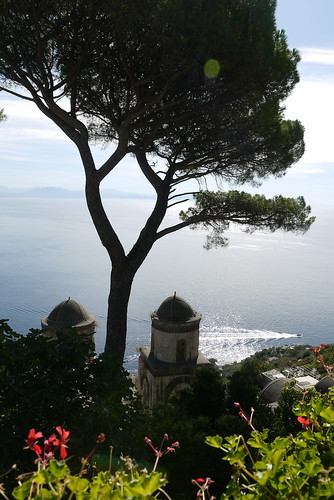
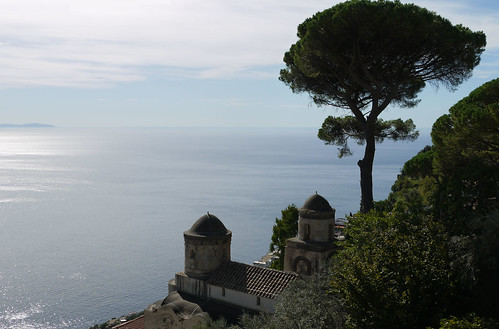
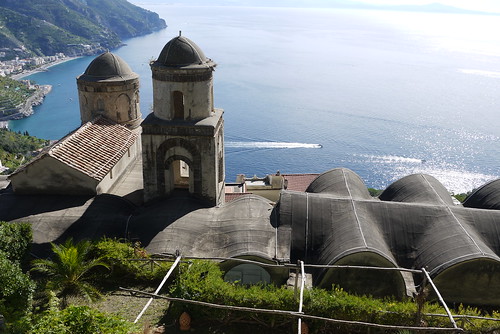
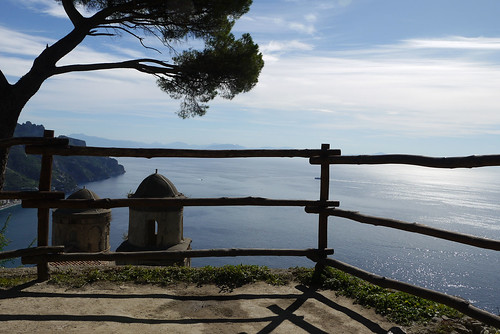
[The Church] was built in 1163 and dedicated to S. Matteo del Pendolo until 1727, but already in 1733 it is called S. Maria delle Grazie; the structure has three naves, divided by two round arches on each side, supported by columns with bare, triaxed capitals (on the outside the apses are isolated by two deep niches), with a transept underlined by a step.
The aisles are covered by vaults with pointed vaults, extrados and illuminated by single-light windows.
The central apse is framed by two columns (a motif common to other churches of Ravello).
Next to the entrance a very small room contains traces of a fresco depicting an Agnus Dei, a nursing Madonna and a saint.
The sacristy is an environment parallel to the right aisle, slightly apsed, with a barrel roof.
The bell tower has two registers with a vault extradosata in the bell cell. A cross-vaulted portico precedes the church.
The apse of the right aisle contains the wooden cabinet with the nineteenth-century statue of the Madonna and Child.
10 Comments CherryPie on Jan 29th 2018
He who smiles rather than rages is always the stronger.
Japanese Wisdom
12 Comments CherryPie on Jan 28th 2018
8 Comments CherryPie on Jan 27th 2018
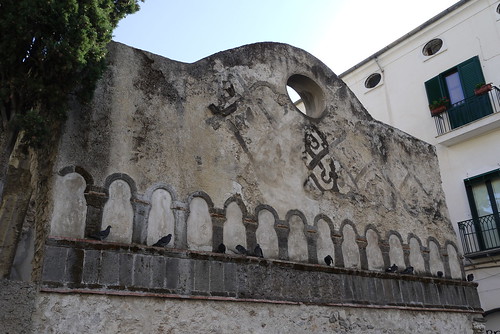
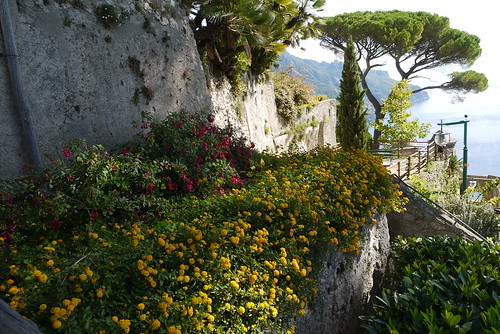
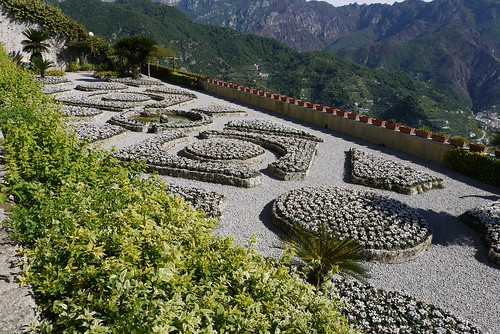
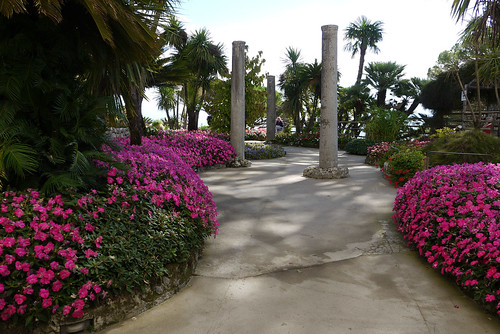
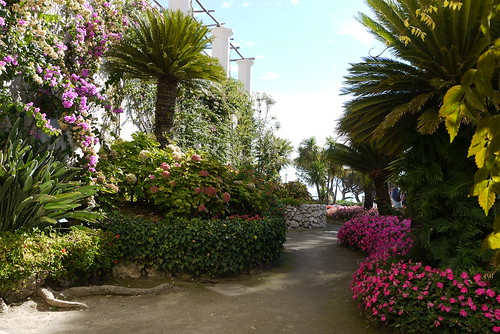
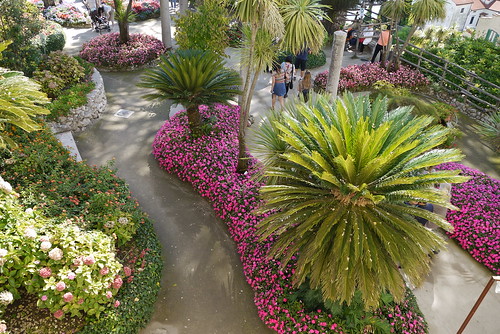
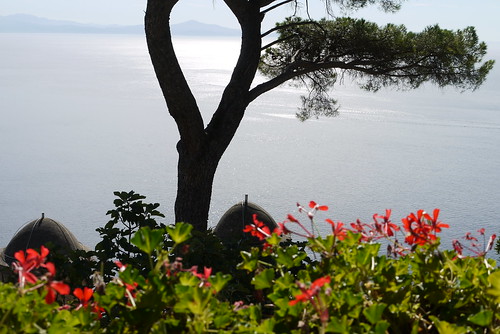
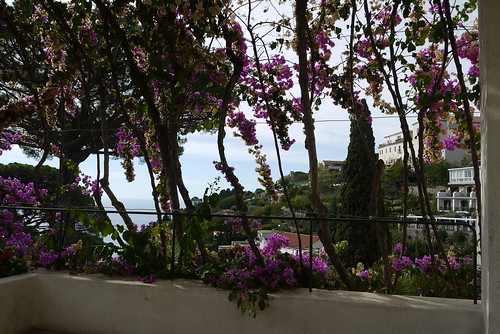
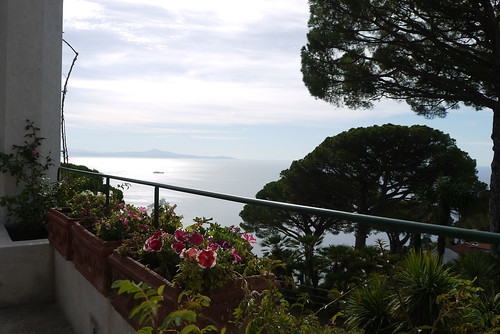
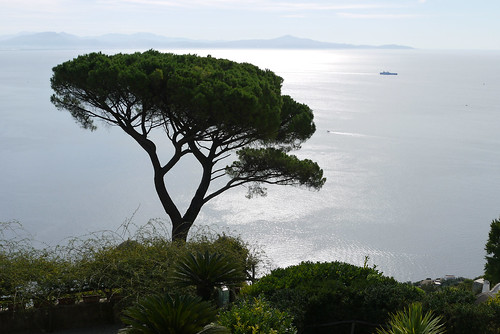
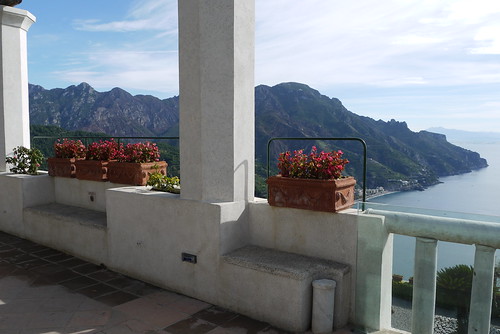
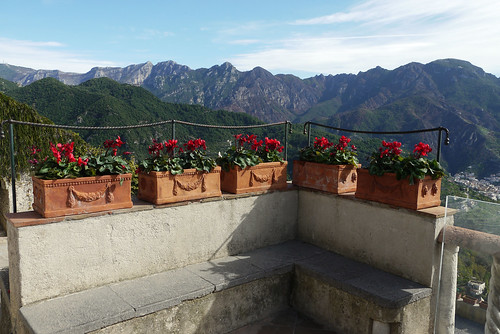
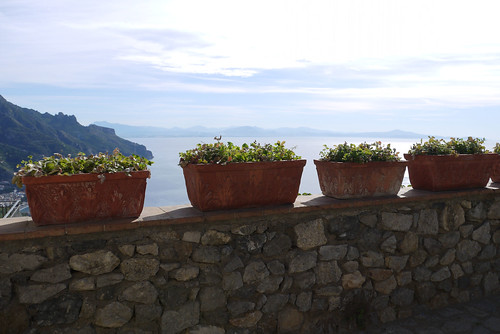
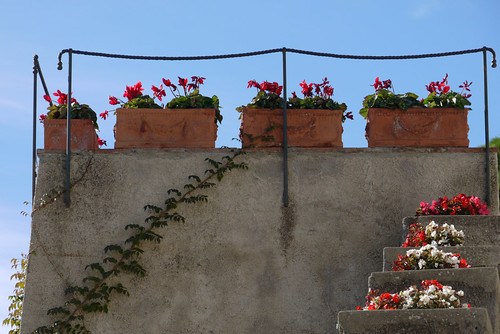
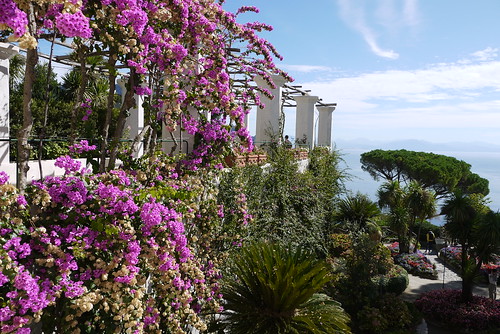
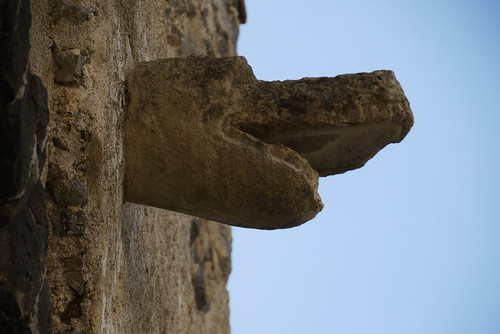
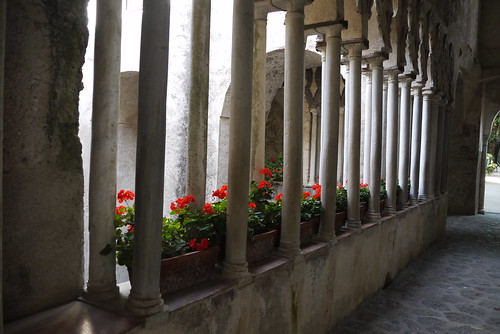
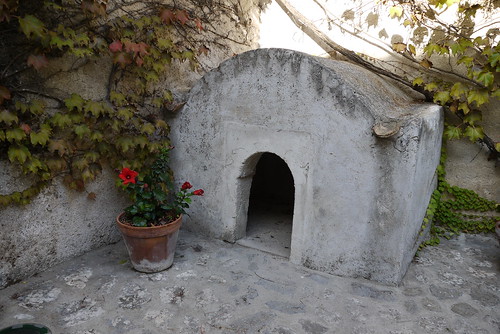
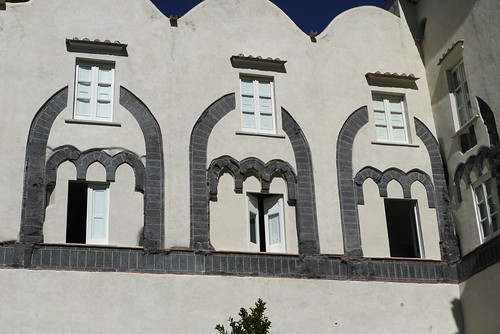
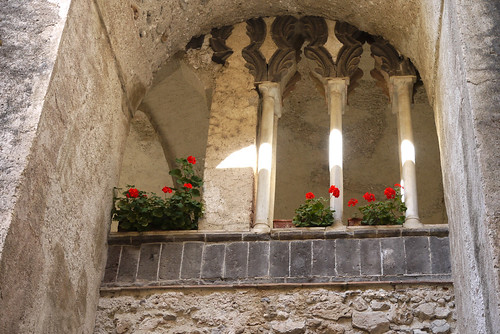
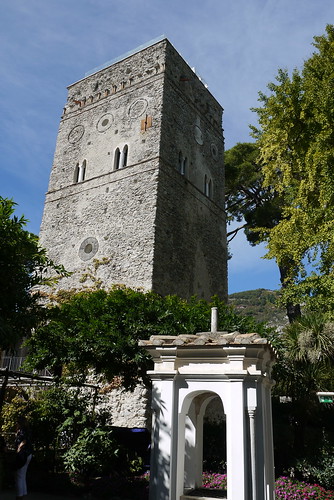
Villa Rufolo is the jewel in the crown of the immense historical and architectonic heritage of Ravello. This monumental complex bears the name of the family which built it. In its heyday, in the 13th century, it numbered “more rooms than there are days in the year”.
This extraordinary heritage has been partially eroded by the effects of time and negligence, but much has been retrieved, with new features being added in more recent times, starting from the invaluable efforts of the Scottish entrepreneur Francis Nevile Reid, owner of the Villa at the turn of the twentieth century.
Over ten centuries the original core, a perfect synthesis of Arabic, Sicilian and Norman architecture, has accumulated new features, from the rather cumbersome 18th century cloister to the Romantic nineteenth century gardens, up until our own times, being currently used by the Fondazione Ravello, the Ravello Festival and the Centro Universitario Europeo per i Beni Culturali.
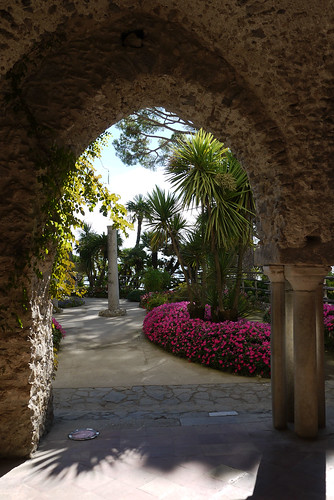
PS: Garden views coming soon 
6 Comments CherryPie on Jan 26th 2018