Be as simple as you can be; you will be astonished to see how uncomplicated and happy your life can become.
Paramahansa Yogananda
Random thoughts and photos of my journey through life…
Be as simple as you can be; you will be astonished to see how uncomplicated and happy your life can become.
Paramahansa Yogananda
8 Comments CherryPie on Jan 21st 2024

Filed under Faith Foundations, Heritage, Holidays, Malta 2023
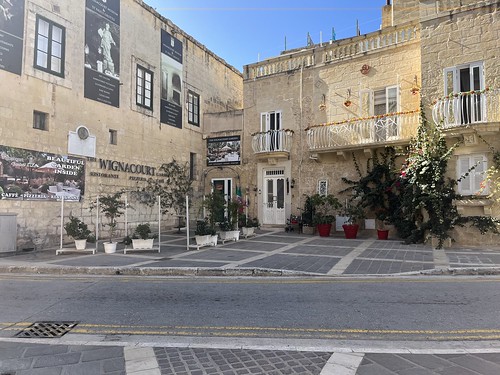
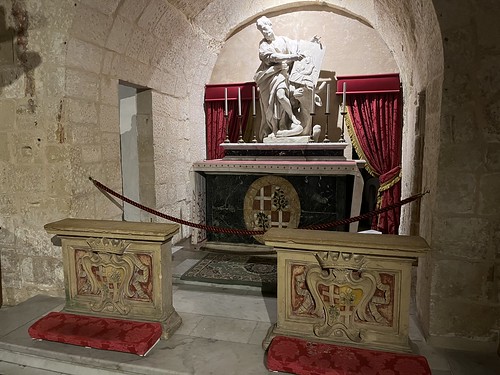
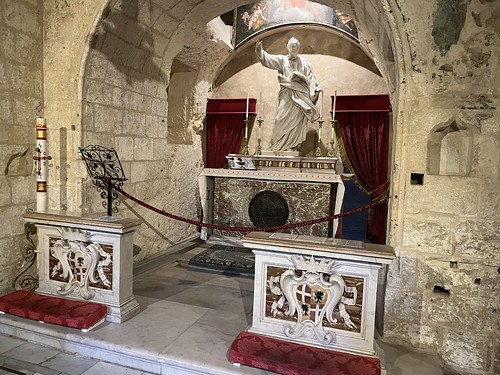
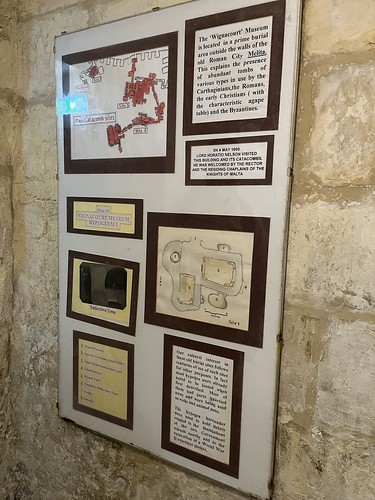
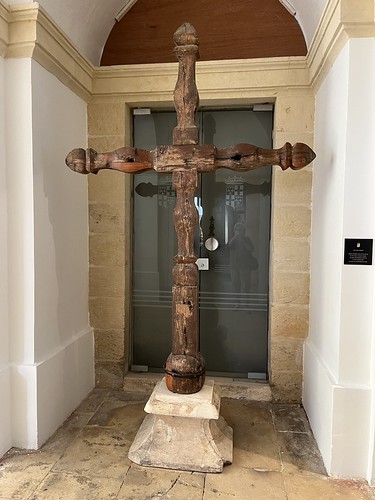
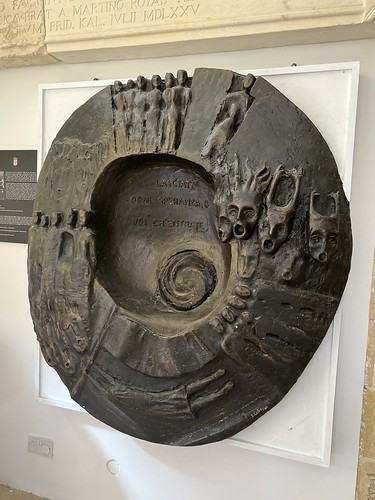
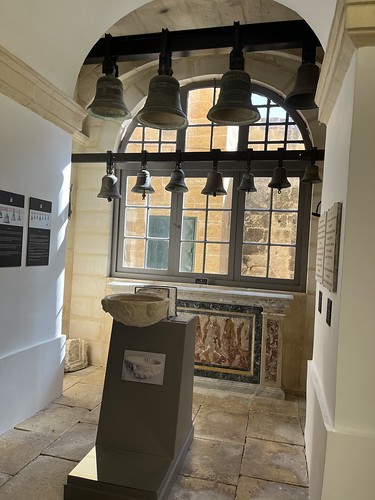
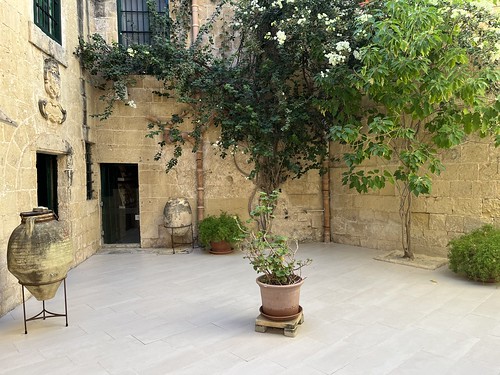
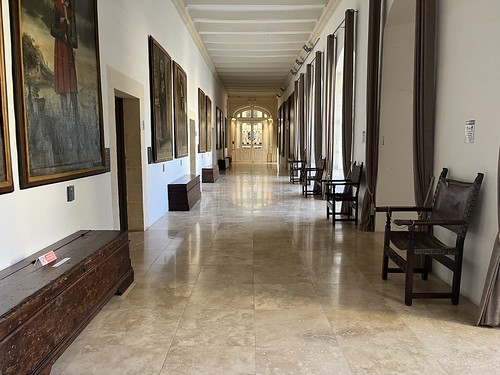
The Wignacourt Collegiate Museum at Rabat Malta was formerly the baroque residence of the Chaplains of the Knights of St. John. Originally inaugurated by Grand Master Alof de Wignacourt (1601-1622), it has recently reopened after a thorough refurbishment of the whole building together with the restoration of most of the artworks which it presently hosts.
Initially located outside the former Roman City of Melite, the Wignacourt Museum forms part of a Pauline complex as it is materially linked to St Paul’s Grotto, the cradle of Christianity in Malta. This is the place where St Paul the Apostle, in A.D. 60, is believed to have founded the first Christian Community on the island.
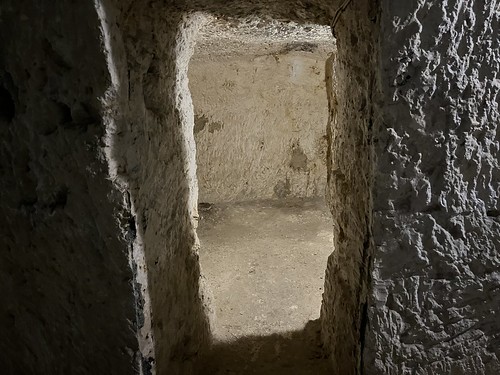
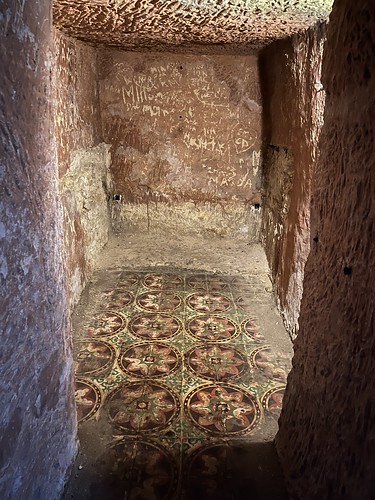
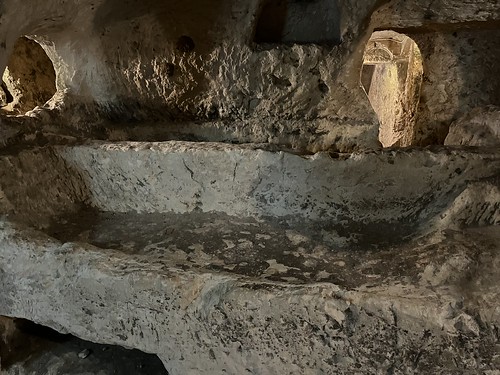
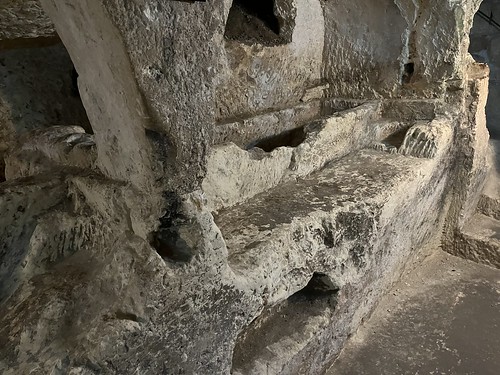
The building, fully completed in 1749, is on three levels: the underground level consists of a labyrinth of Punic, Roman and Christian Hypogea with interesting architectural features as well as a complex of World War II shelters with two main corridors and about fifty rooms.
The ground floor level consists of a corridor with a number of rooms used as offices and minor collections whilst on the other side is a spacious garden with a built area which once included the refectory of the Chaplains of the Order and an oven which during World War II provided daily more than 2000 loaves for the population of Rabat.
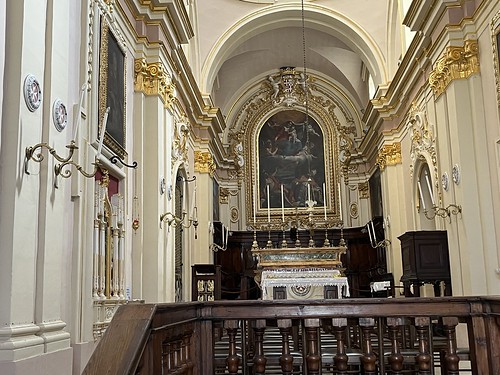
The first floor is the main exhibition space, as it has an impressive picture gallery with works by Mattia Preti, Antoine Favray, Francesco Zahra and other Maltese as well as European Artists. It also comprises a collection of 17th- 19th century Spanish, Italian and Maltese silver; a unique wooden altar used for the celebration of Mass on the galleys of the Order of the Knights of Malta; a collection of old relics and reliquaries, sculptures in wood, alabaster and bronze, including a medallion by Alessandro Algardi; maps, coins, prints and rare books among which is King Henry VIII’s ‘Septem Sacramants” written to confute Martin Luther and above all a baroque chapel for the private devotions of the residing chaplains.


4 Comments CherryPie on Jan 17th 2024

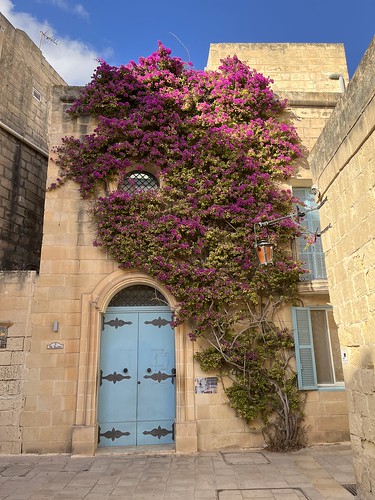
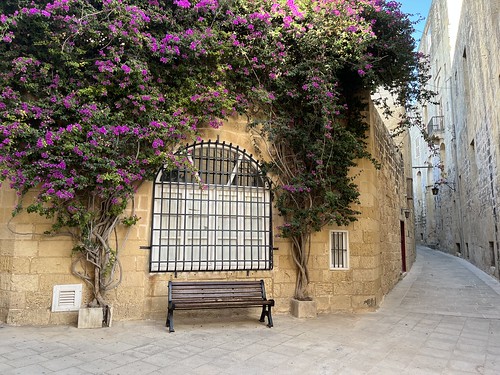
Mdina is a fortified medieval town enclosed in bastions, located on a large hill in the centre of Malta. The town was the old capital of Malta, and with its narrow streets, few inhabitants and beatuful views over the Island it is truly a magical town. Mdina is referred to as the “Silent City” by Maltese and visitors alike – no cars (except those of a limited number of residents) have permission to enter Mdina and the town provides a relaxing atmosphere among the visitors walking its narrow streets and alleyways.
Mdina was first inhabited and fortified around 700 BC by the Phoenicians and was at that time called Maleth. Mdina benefits from its good location on the island’s highest point, far away from the sea. Under the Roman Empire the Roman governor built his palace in Mdina and it is said that even St. Paul stayed there after he was shipwrecked in Malta.
It was the Normans who surrounded the city with its thick defensive fortifications and they also widened the moat around Mdina. After an earthquake in 1693, there was the need to redesign parts of the city. This introduced Baroque designs within the city, and the Knights of Malta rebuilt the cathedral as well as the Magisterial Palace and Palazzo Falzon.


8 Comments CherryPie on Jan 17th 2024
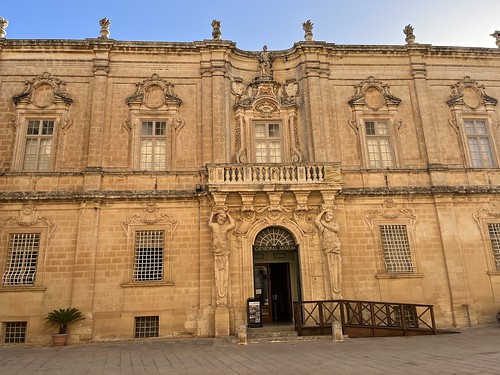
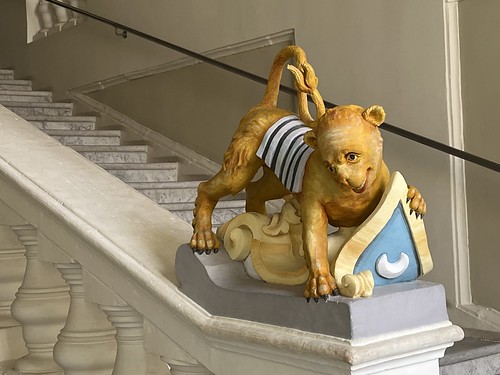
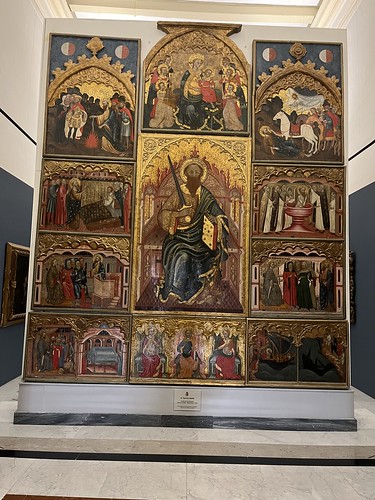
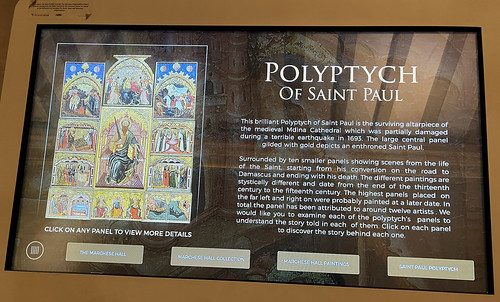
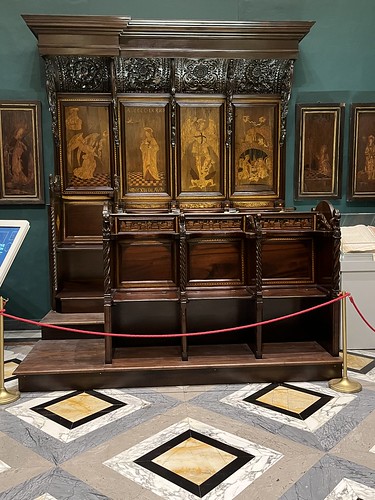
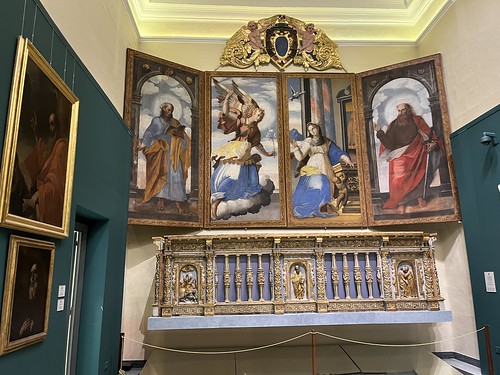
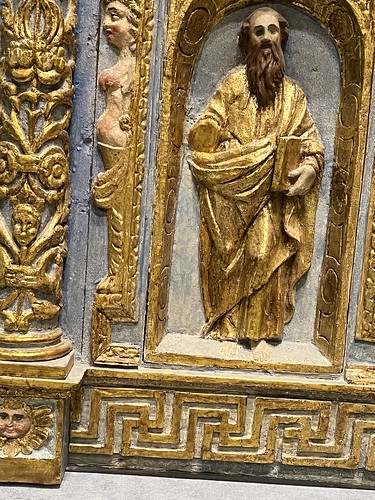
The Mdina Cathedral Museum is housed within a magnificent baroque building, on the right-hand side of the Cathedral, in Archbishop’s Square. This imposing edifice was built by Bishop Alpheran de Bussan, with the first stone being laid in 1733. This building was to serve as the seminary for the Diocese of Malta.
There are many beautiful and interesting exhibits within the museum. I share only a few photographs of items that I could photograph easily.
6 Comments CherryPie on Jan 15th 2024
We are here and it is now. Further than that all human knowledge is moonshine.
H L Mencken

10 Comments CherryPie on Jan 14th 2024
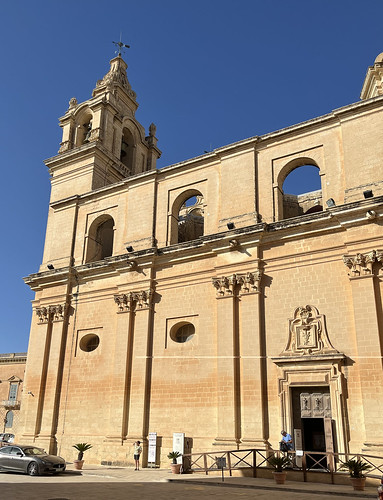
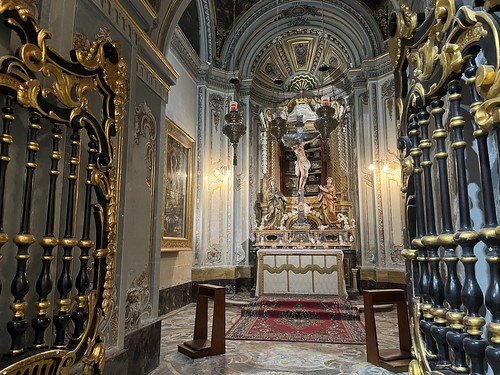
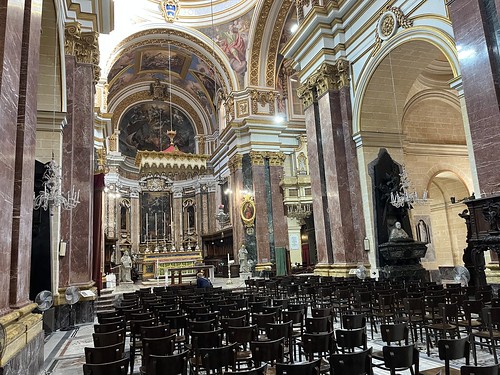
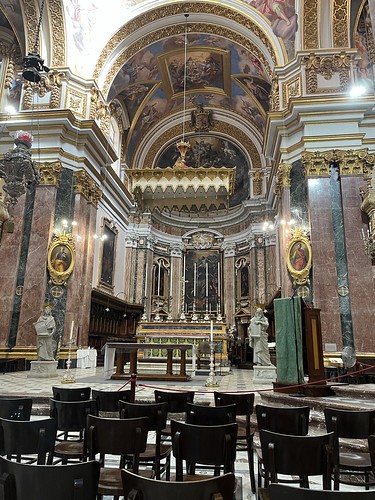
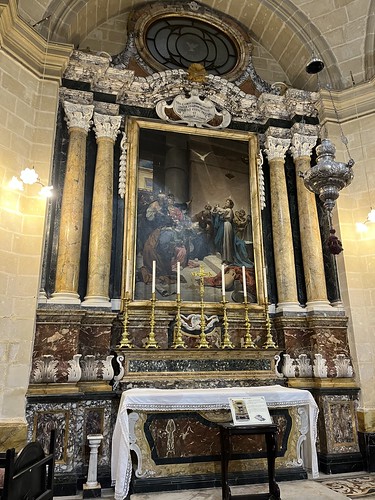
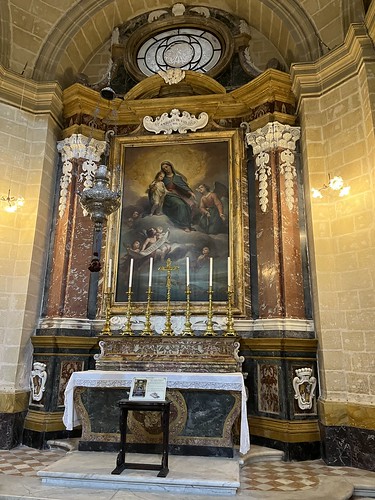
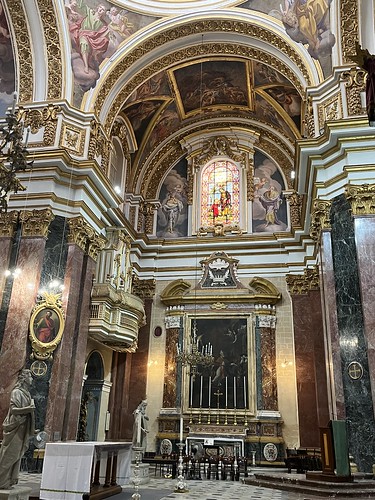
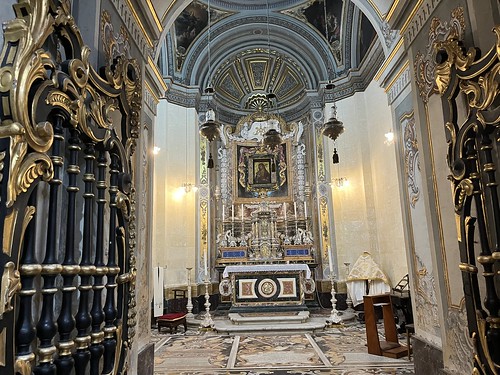
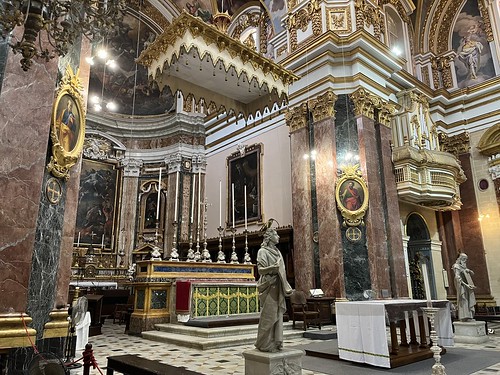
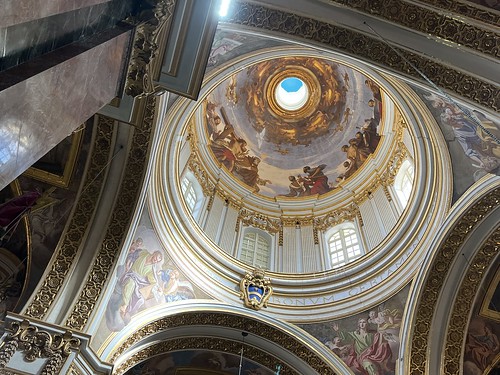
The Metropolitan Cathedral of Saint Paul (Maltese: Il-Katidral Metropolitan ta’ San Pawl), commonly known as St Paul’s Cathedral or the Mdina Cathedral, is a Catholic cathedral in Mdina, Malta, dedicated to St. Paul the Apostle. The cathedral was founded in the 12th century, and according to tradition it stands on the site of where Roman governor Publius met St. Paul following his shipwreck on Malta. The original cathedral was severely damaged in the 1693 Sicily earthquake, so it was dismantled and rebuilt in the Baroque style to a design of the Maltese architect Lorenzo Gafà between 1696 and 1705. The cathedral is regarded as Gafà’s masterpiece.
The cathedral is the seat of the Roman Catholic Archdiocese of Malta, and since the 19th century this function has been shared with St. John’s Co-Cathedral in Valletta.
8 Comments CherryPie on Jan 13th 2024