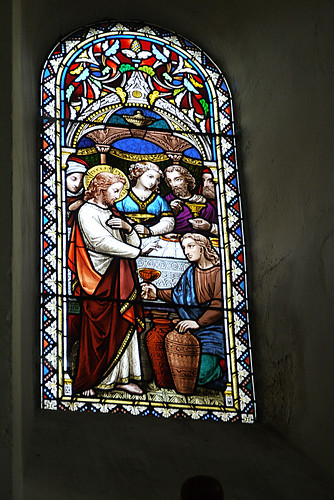
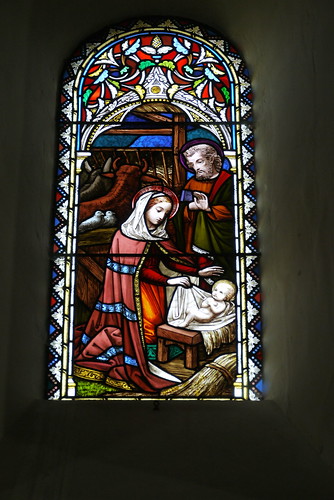
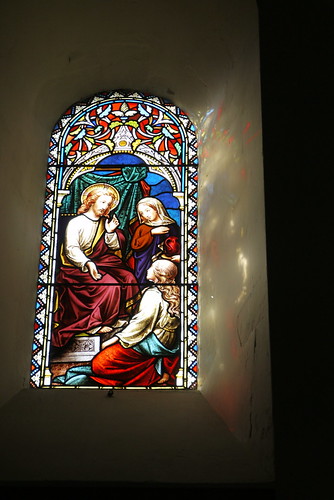
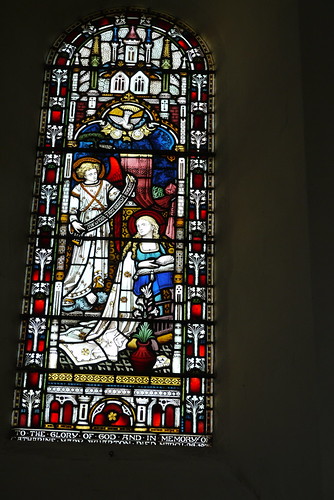
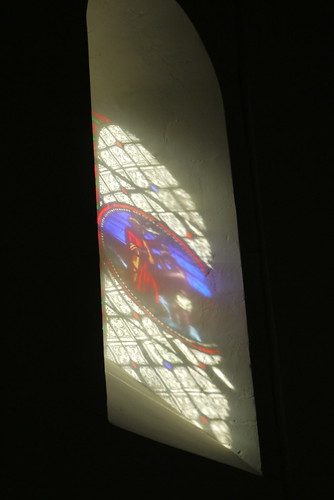
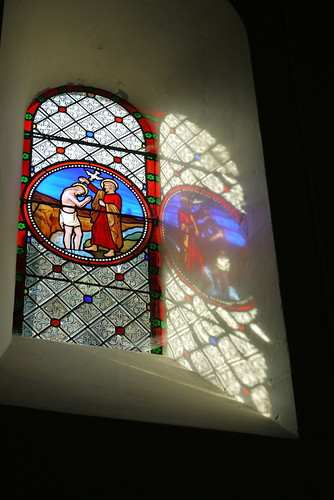
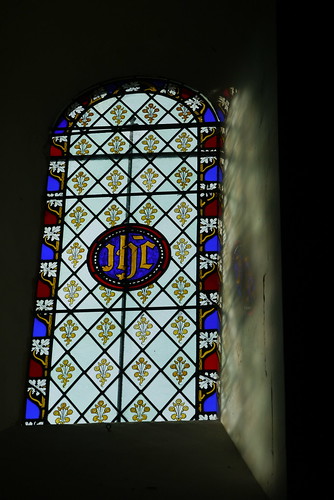
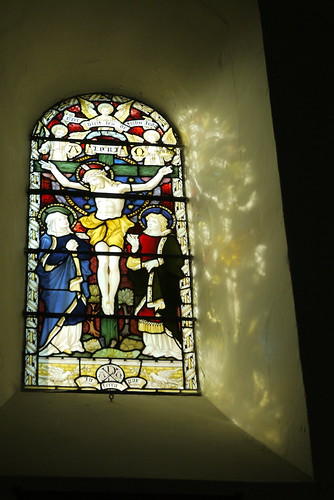
…Christian stories in glass
Random thoughts and photos of my journey through life…
…Christian stories in glass
8 Comments CherryPie on Sep 30th 2017
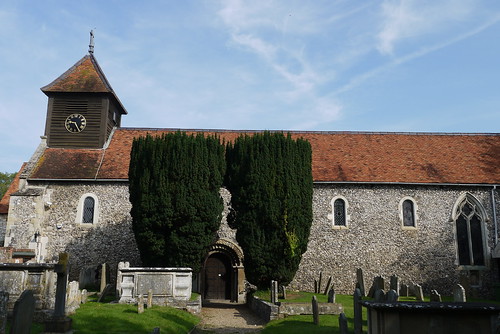
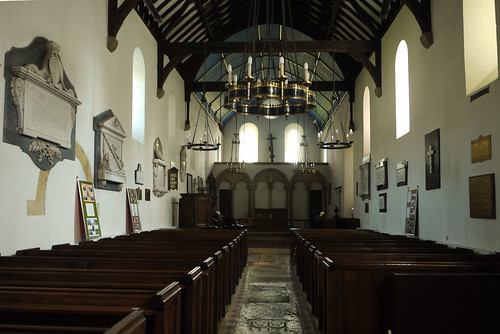
A church has graced the banks of the River Thames in Hurley since Saxon times.
Formerly a Benedictine priory the monk’s traditions of hospitality, care and spiritual renewal still continue to this day. And the chime of St Mary’s bells ring out across the village, as they have for over a millennium.*
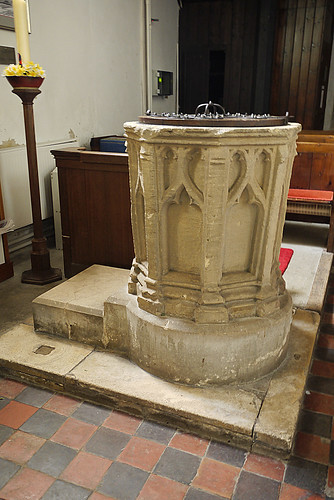
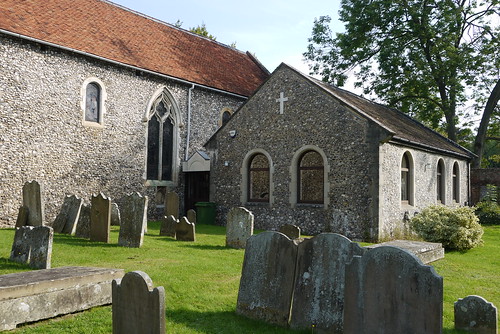
In 1545 the estates passed to John Lovelace and much of the materials from the Old Priory were used to build the first Ladye Place Mansion. At this time the east end of the church was filled in and repaired to the shape it is today. At the turn of the 17th century, Richard, 1st Baron Lovelace of Hurley, installed the bell turret and the largest bell.
A major restoration took place in 1852 when the large porch over the South West Door was removed. The east end of the church was completely rebuilt and the existing east windows and the bath stone screen behind the Altar were installed.
In 1987, after many years of planning, thought and prayer, the Priory Room extension was built and dedicated by the newly enthroned Bishop of Oxford, Richard Harries, on 2nd July 1987.
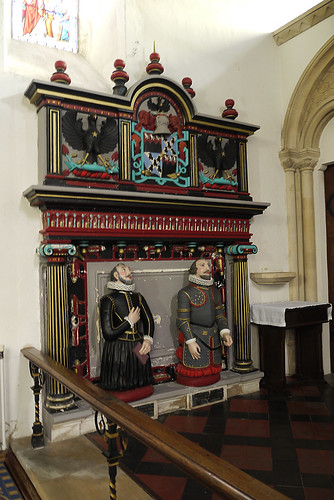
The Lovelace Memorial was erected c 1605. The left-hand figure is Richard Lovelace esquire (1542-1601), son of John Lovelace, gentleman (c1515-1558). At his death Richard Lovelace was Lord Lieutenant of the County of Berkshire and Constable of Windosor Castle. An earlier memorial to John Lovelace was destroyed in the 19th century.
The right-hand figure is Sir Richard Lovelace, knight, (1565-1634), son and heir of the other figure. He was knighted in 1599 at Dublin “in ye wars” against the Irish. He was created 1st Lord Lovelace of Hurley by Charles I in 1627. He was High Steward of Maidenhead from 1623 until his death, and was keeper of the rolls or records for the county of Berkshire. He erected this memorial and probably composed the epitaphs.**
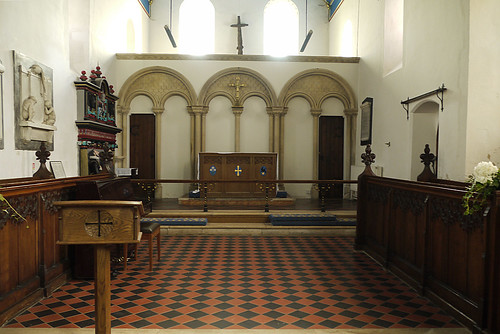
The ancient cross. The wooden cross, which was removed from the tower of St. Mary the Virgin, Hurley, was originally placed in the middle of the Saxon Burial Ground about 1040. It was then thought that it was erected on top of the Priory Bell Tower, and on the dissolution of the priory was re-erected on the tower of the present church, which was the nave of the original priory.
This cross must be one of the oldest wooden crosses in England, and it is now safely placed high up against the East wall of the church.**
*From a church pamphlet
**From information board within the church
6 Comments CherryPie on Sep 29th 2017
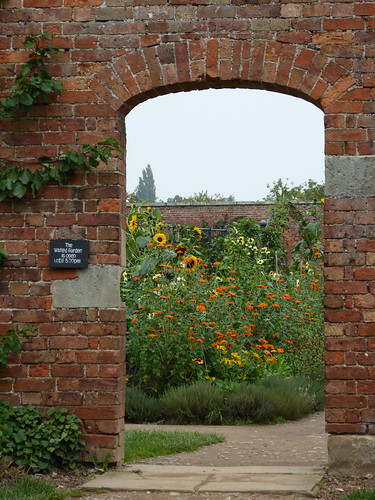
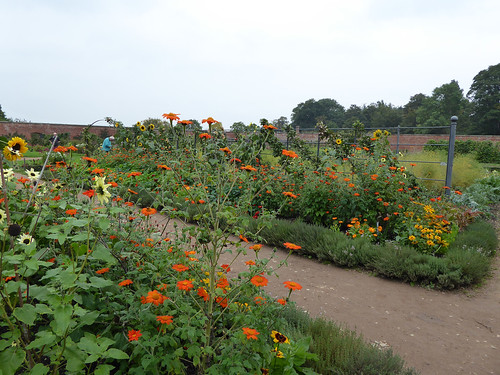
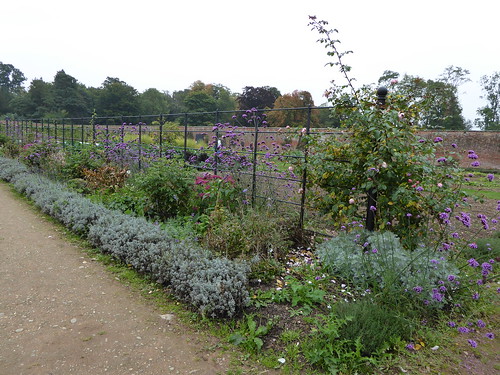
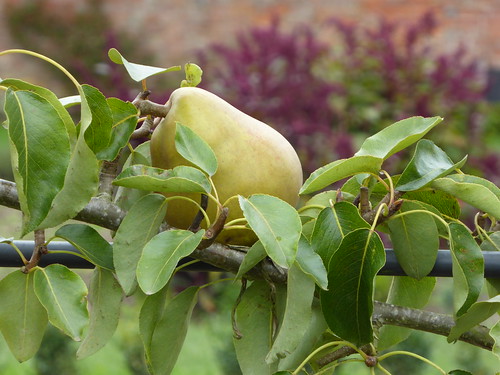
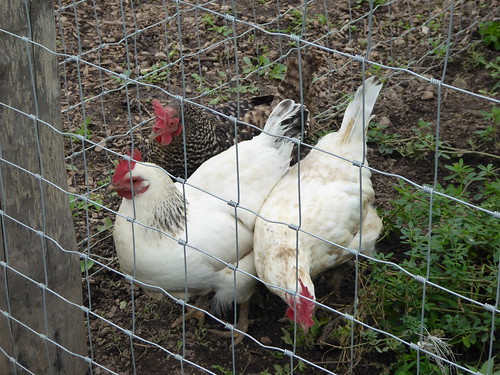
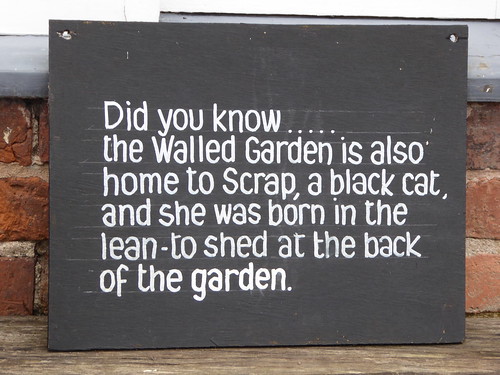
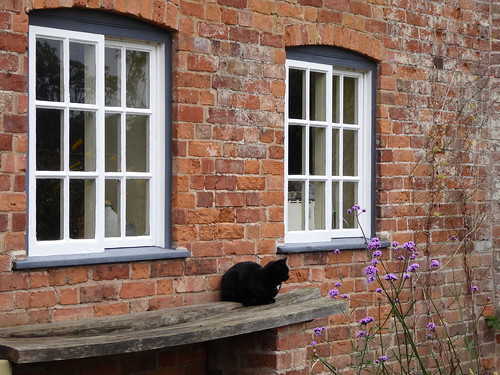
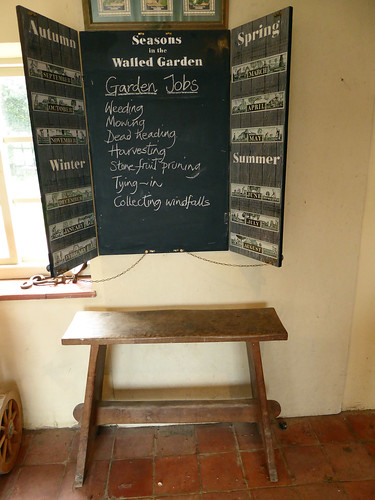
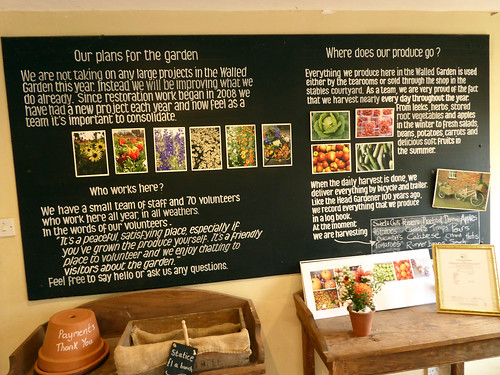
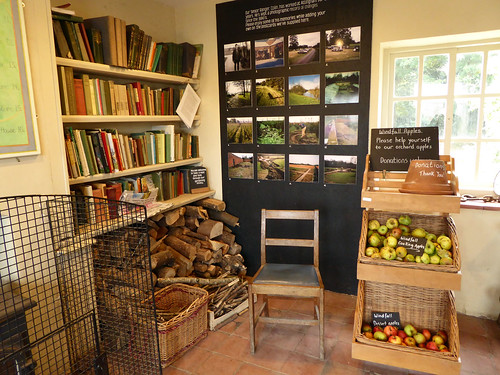
…the walled garden in pictures


6 Comments CherryPie on Sep 28th 2017
… on a autumn day
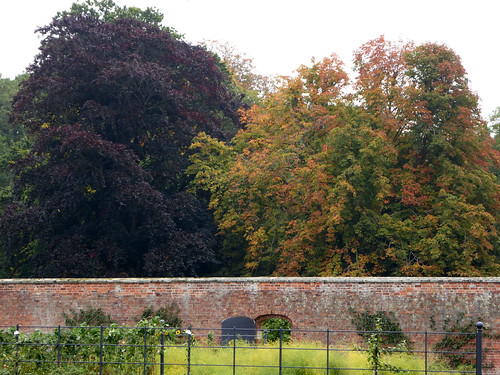
Today was the first time that I have had an opportunity to take my new car out for a leisurely drive. I decided to go to Attingham Park after lunch and perhaps indulge in an afternoon ‘naughty cake’ delight whilst I was there.
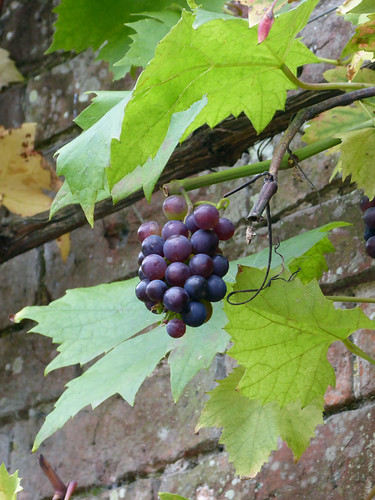
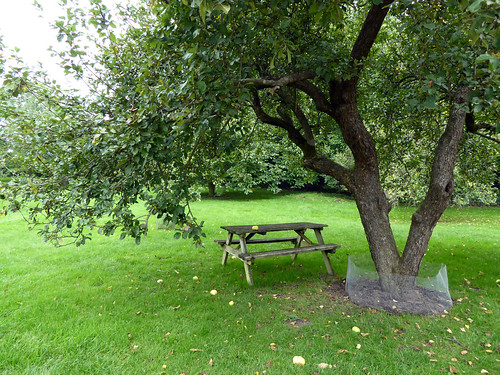
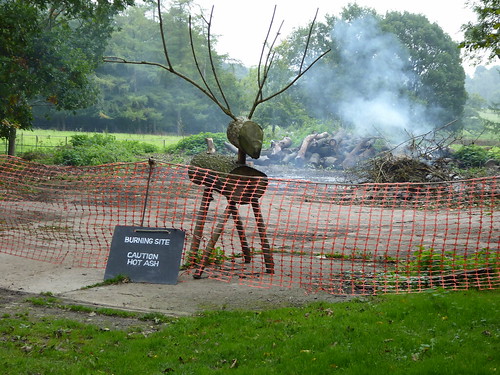
I took my small camera with me thinking that there would not be many photo opportunities. As I walked around the walled garden I regretted my decision but soon changed my mind when it started to rain as I walking along the ‘Mile Walk’. I was able to hold my umbrella in one hand and take photos in the other hand with my small camera, something I am not able to do with my larger camera.
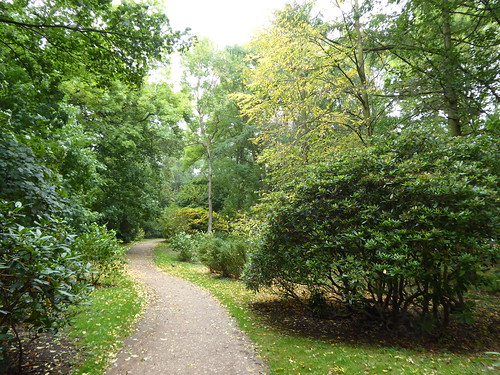
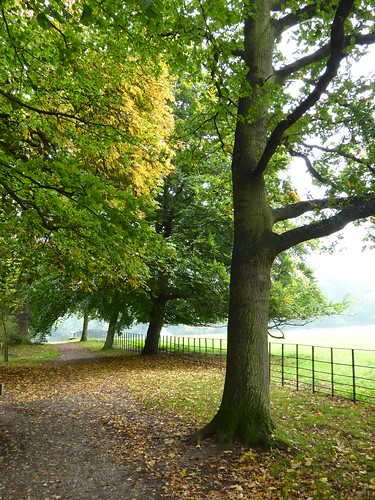
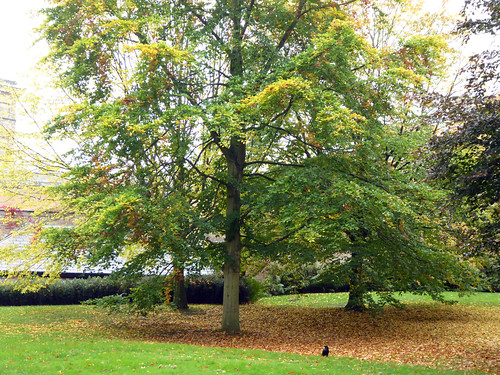
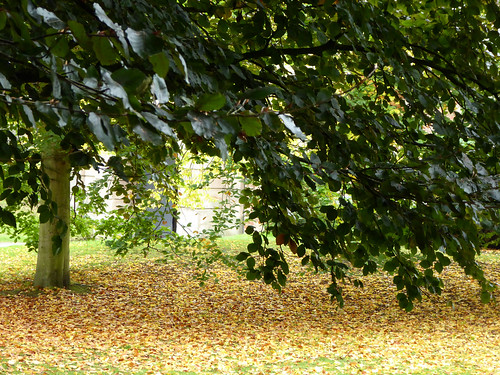
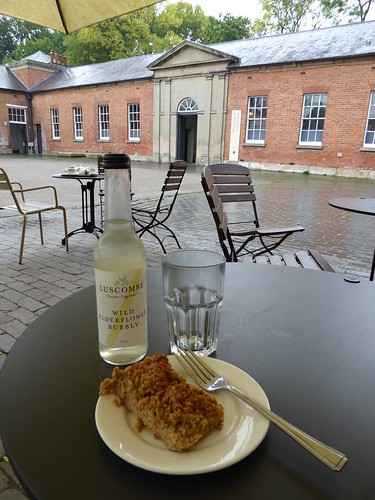
After I had completed the walk I indulged in a naughty cake… I opted to dodge the raindrops and enjoy it underneath the large canvas sunshades outside in the courtyard before returning to my car to set off on my homeward journey.

Today I am sharing photos from the ‘Mile Walk’, there will be a separate post on the photos I took in the walled garden.
10 Comments CherryPie on Sep 27th 2017
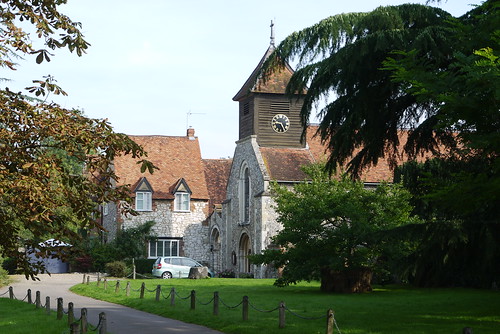
Hurley Priory, located on the banks of the River Thames was founded in 1086 by Geoffrey Mandeville I as a cell of Westminster Abbey. After declaring himself head of the English Church, Henry VIII suppressed the priory in 1536 and ownership was transferred to Westminster Abbey. When in 1540 Westminster Abbey was dissolved Hurley Priory passed into lay hands.
Jeff Griffiths from Archaeology in Marlow provides a fascinating account of the village of Hurley and the history of the priory:
The biggest change ever to affect the village happened when Geoffrey de Mandeville founded a Benedictine priory in 1086 in memory of his first wife. The Priory was central to the life of the village for 450 years until Henry VIII’s reforms swept it away in 1536. Its Abbot and monks were more fortunate than most at the Dissolution as they could retreat to the protected mother house at Westminster, taking with them the Priory’s 562 charters, which still exist. These charters reveal that the Abbey of Westminster had exchanged one of its London properties to acquire a forested area near its daughter house. The London property exchanged for Hurley Wood was no less than Covent Garden.
After the Dissolution, Hurley’s monastic estate passed into the hands of John Lovelace in 1545 and this family then became Lords of the Manor. The Lovelaces built a mansion called Ladye Place on the site of the ruined Priory. The first Sir Richard Lovelace went on an expedition with Sir Francis Drake and it’s been said that their fine Elizabethan mansion arose in 1600 from “the legalised piracy of a licensed buccaneer”.
The most significant of the Lovelaces was John, the 3rd Lord Lovelace, who played a significant role in the Glorious or Bloodless Revolution of 1688. He was an ardent anti-Catholic who’d been jailed for complicity in the Rye House plot to assassinate King Charles II and his brother and heir James. Lovelace became a staunch supporter of the cause for the Protestant William of Orange to take over the throne from the Catholic James II. The crypt at Ladye Place, once part of the original Priory, became a centre of plotting and it’s said that fellow aristocratic conspirators would enter by way of underground tunnels that led from the river to the crypt to avoid detection. This crypt, which still stands in private grounds on the old monastic estate at Hurley, became a centre of pilgrimage for those who valued the liberties that had been safeguarded by the plot hatched there. William of Orange and George III both visited this crypt where commemorative tablets record this momentous event in England’s history.
This 3rd Lord Lovelace, however, was a dissolute individual – the Master of an Oxford college said he drank a Quart of Brandy every morning – who left the estate heavily in debt. His son, having no estate to inherit, went to America where he became the Governor of New York State. A township there called Hurley commemorates the link with Lovelace’s Berkshire home. The last Lovelace heir in America died without issue and the line became extinct.
The Elizabethan Ladye Place eventually became derelict and was pulled down in 1838. Much later a smaller house also called Ladye Pace was erected next to the church.
The second house in Hurley to bear the name Ladye Place was purchased in 1924 by Colonel Rivers-Moore, a retired Royal Engineer. He was intrigued by the surrounding monastic remains and determined to undertake archaeological investigations as the site had hardly ever been touched. He was particularly intrigued by the prospect of finding the tomb of Editha, Edward the Confessor’s sister, whose ghost, known as the Grey Lady, was supposed to haunt the place. By a stroke of luck, a particularly dry summer revealed the outline of the old Lovelace mansion, which stood on the remains of Hurley Priory and trial excavations started. It’s reputed that family members then began to have visions of a monk instructing them where to find discoveries and that they held séances to seek guidance as to where they should dig.
In the summer of 2007, a party from the Thames Valley Dowsers investigated the reputed underground tunnel that runs from the Olde Bell hotel [see my previous post] to the remains of the old Priory behind the church. A cupboard in a bar at the Olde Bell reveals a crumbling staircase entrance which is supposed to lead to the tunnels. Next door to the hotel, Hurley House had a trapdoor through which access to the tunnel had been gained. Dowsing highlighted two tunnels that run from the Olde Bell to the old Ladye Place crypt and then to a property known as the Cloisters, the remains of the old Priory behind the church. Set into the Cloisters’ lawns are gratings which cover entrances to underground tunnels that have been explored and led to the moat, underpinning the stories of the plotters in 1688 surreptitiously entering the crypt by tunnel.
I recommend reading Jeff Griffith’s full article; Hurley’s Hidden History.
10 Comments CherryPie on Sep 26th 2017
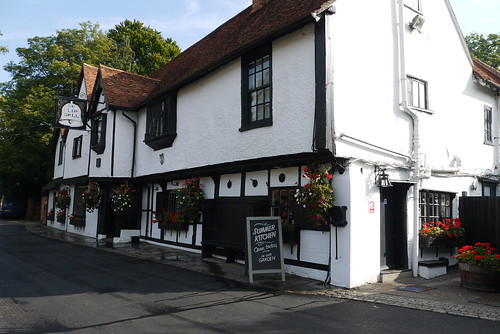
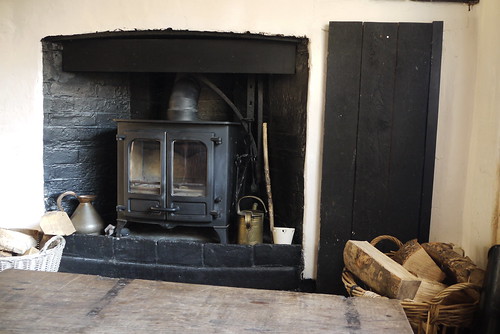
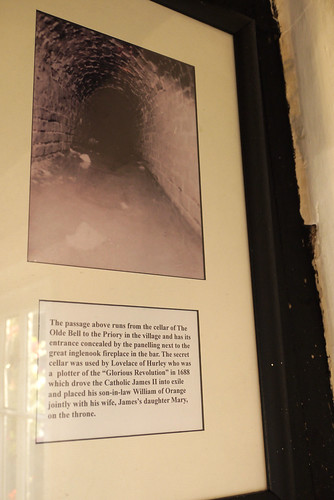
On my recent visit to the Olde Bell in Hurley I noticed some information above a wooden panel next to the fireplace. I was intrigued by it and took a closer look. The photo and words informed that a passage runs from the cellar of the Olde Bell to the Village Priory and the passage was accessed by concealed panelling next to the inglenook fireplace.
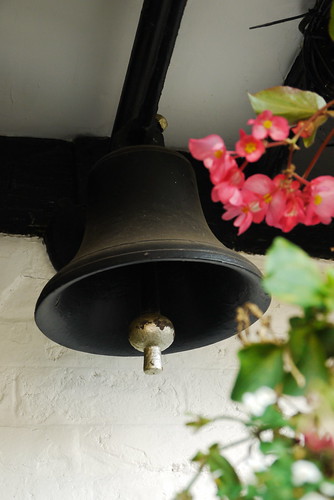
The Olde Bell first opened its doors in 1135 AD as a guesthouse for visitors to the nearby Benedictine Priory. For hundreds of years, the ringing of the Sanctus Bell signalled to the monks that an important visitor had arrived in the village and was on his way to call at their monastic retreat beside the River Thames. The Sanctus Bell still hangs over the door of The Olde Bell, a sign of welcome and refreshment to travellers.
There is a secret passage running from the cellar of The Olde Bell to the Priory in the village. The secret passage was used by Lord Lovelace of Hurley who was a plotter of the ‘Glorious Revolution’ in 1688 which drove the Catholic James II into exile and placed his son-in-law William of Orange jointly with his wife, James’s daughter Mary, on the throne.
12 Comments CherryPie on Sep 25th 2017

Filed under Faith Foundations, Holidays, Piran & Ljubljana 2015
May the narrow rivers of our lives be widened by torrential rains of Thy blessings, and pass through vast lowlands of humbleness, self-sacrifice, and consideration for others, to enter in purity Thy Blissful Sea.
Paramahansa Yogananda

8 Comments CherryPie on Sep 24th 2017